
How Do Adjustable Corner Fittings Work in Chain Link Fencing?
Learn how adjustable corner fittings work in chain link fencing, including pipe sizing, finishes, selection and installation considerations.
Adjustable Corner Fittings for Chain Link Fencing: How They Work and What to Check
Introduction
Not every fence line travels neatly from point A to point B. Corners, changes in direction and site-specific layouts mean a chain link fencing framework sometimes needs connections that can accommodate the required geometry.
That's where adjustable corner fittings come in.
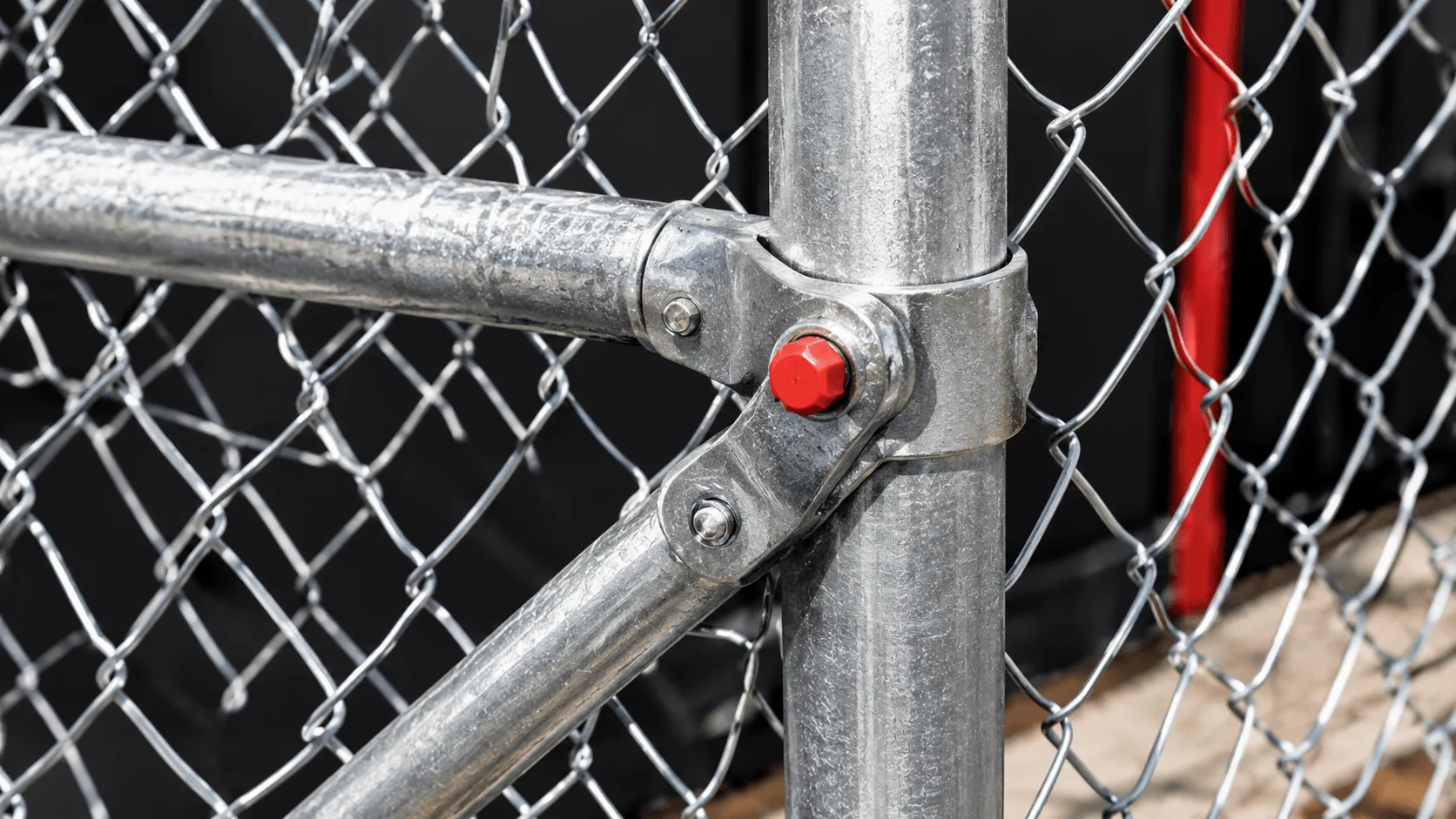
Adjustable corner fittings are used within suitable pipe framework configurations where a corner connection is required. Correct selection means matching the fitting to the pipe sizes, fence layout, finish and overall project requirements.
Australian manufacturer Supaguard Fencing supplies adjustable corners as part of its broader range of chain link fencing components. For contractors and installers, understanding how these fittings work makes it easier to plan pipe connections before materials arrive on site.
The corner might be adjustable. Your approach to specifying it shouldn't be.
TLDR - Quick Guide
When choosing and using adjustable corner fittings, keep these points in mind:
They form part of the pipe framework: Adjustable corners help create suitable connections where a fence changes direction.
Pipe sizing matters: The fitting must match the pipe sizes used in the framework.
Check both connection sizes: Adjustable corners can accommodate different pipe-size combinations depending on the product.
Finish matters: Match the fitting finish to the surrounding fencing system and project requirements.
They're not automatically interchangeable with other corners: Adjustable and standard corner fittings should be treated as different products.
Plan the framework first: Identify corners and pipe sizes before ordering fittings.
Check the complete fencing system: Pipe, mesh, gates and fittings should work together.
In short, select the corner fitting from the fence design—not the other way around.
Detailed Breakdown
What Are Adjustable Corner Fittings?
Adjustable corner fittings are hardware components used to connect suitable pipe sections within a fencing framework where a corner or change in direction needs to be accommodated.
They sit within a broader family of Fencing Fittings, which can include:
- Corner fittings
- Cross fittings
- Tee fittings
- Rail clamps
- Post clamps
- Pipe straps
- Post caps
- Flange plates
- Base plates
Each fitting has a specific role. That's why choosing something simply because it looks like it will fit isn't a great strategy.
Adjustable corner fittings need to be selected according to the pipe configuration and fencing design at the connection point.
How Do Adjustable Corner Fittings Work?
At a basic level, an adjustable corner fitting provides a connection between compatible pipe components where the fence framework changes direction.
Rather than treating the corner as an isolated component, installers should first determine the framework layout and pipe sizes involved. The appropriate adjustable fitting can then be selected for that particular connection.
A typical selection process looks like this:
- Identify where the fence framework changes direction.
- Determine the pipe sizes meeting at that location.
- Check the fitting dimensions required for each connection.
- Select the appropriate adjustable corner fitting.
- Confirm the required finish.
- Check compatibility with the surrounding framework.
- Install according to the fencing design and project requirements.
That little bit of planning can save a surprisingly large amount of improvisation on site.
1. Understand the Pipe Sizes
The most important part of choosing adjustable corner fittings is knowing what pipe you're connecting.
Fencing pipe is available in different nominal bore sizes, so the fitting needs to correspond with the actual framework specification.
When reviewing Fencing Pipe, pay attention to:
- Nominal bore
- Outside diameter
- Wall grade or pipe specification
- Finish
- Intended location within the framework
Don't confuse nominal bore with the measured outside diameter of the pipe. They're related specifications, but they aren't necessarily the same measurement.
The safest approach is to match components using the manufacturer's stated sizes and product specifications.
2. Check Both Sides of the Connection
An adjustable corner fitting can involve two pipe connections, so checking only one size isn't enough.
Before ordering, identify the pipe entering each part of the fitting and make sure the selected product corresponds with both.
This becomes especially important when different pipe sizes meet at the same corner.
A simple project checklist can help:
- Pipe size at the first connection
- Pipe size at the second connection
- Required corner configuration
- Fitting product
- Required finish
- Quantity
It takes a few minutes on paper and can prevent a lot of "this definitely looked right in the catalogue" moments later.
3. Adjustable Corners vs Standard Corner Fittings
Adjustable corner fittings and conventional corner fittings shouldn't automatically be treated as the same product.
Both may be used within fencing frameworks, but the appropriate option depends on how the corner has been designed.
An adjustable corner may be appropriate where the framework calls for flexibility in the corner connection, while a standard corner fitting may be specified for a more conventional configuration.
Before substituting one for another, check:
- Fence layout
- Required pipe sizes
- Corner geometry
- Fitting specification
- Installation requirements
If the design specifies an adjustable fitting, don't automatically replace it with a standard corner simply because the pipe sizes appear similar.
4. Why Is Adjustability Useful?
Real-world fence lines aren't always perfectly square.
Boundaries can change direction, terrain can influence the layout and existing structures may affect where a fence can run. A suitable adjustable corner connection can provide additional flexibility when constructing the pipe framework for these layouts.
However, adjustable doesn't mean infinitely adjustable.
The allowable configuration depends on the specific fitting. If your project requires a particular angle or unusual corner arrangement, confirm that the selected fitting can accommodate it rather than assuming.
That's especially important on commercial, industrial or security fencing projects where the finished framework needs to follow a defined design.
5. Match the Finish to the Fence
Size isn't the only specification that matters.
Fencing frameworks may use different finishes, and the fittings should be selected accordingly. When comparing adjustable corners, consider how the fitting will integrate with the surrounding pipe and other components.
Check:
- Pipe finish
- Fitting finish
- Gate framework
- Other nearby hardware
- Appearance requirements
- Project specifications
A coordinated system generally makes installation and future maintenance much more straightforward.
It also avoids building an otherwise tidy fence with one corner that looks as though it wandered in from another project.
6. Plan Corners Before Ordering Pipe
One of the best ways to avoid fitting problems is to map the entire framework before placing the materials order.
Identify every:
- Straight fence run
- Corner
- Change in direction
- Gate opening
- Termination point
- Pipe connection
- Special framework condition
- Then assign the required pipe and fitting to each location.
This is particularly useful when the project contains several different corner configurations. Instead of ordering a pile of fittings and sorting them out later, you can specify exactly what each section requires.
7. Consider Adjustable Corners as Part of the Whole Fence
A Chain Link Fencing system consists of far more than mesh.
Depending on the design, the complete fence may include:
- Chain link mesh
- Posts
- Pipe framework
- Fencing wire
- Gates
- Corner fittings
- Clamps
- Fasteners
- Post caps
- Other accessories
- Adjustable corner fittings belong to the framework portion of that system.
That means their selection should be coordinated with the pipe and other structural connections rather than left until the end of the purchasing process.
8. Think About Gates and Corners Together
Gate openings can change the framework requirements along a fence line.
If a corner occurs near a gate, termination point or other structural change, map those components together. Doing so makes it easier to determine which posts, pipes and fittings are required around that section.
Pay attention to:
- Gate position
- Direction of the adjoining fence runs
- Framework configuration
- Pipe dimensions
- Required fittings
- Any bracing specified by the design
- The more complex the layout, the more valuable this planning becomes.
9. Check Fittings Before Installation
Even when the order has been carefully prepared, verify the fittings before work begins.
For each adjustable corner, check:
- Product and fitting type
- Connection sizes
- Finish
- Corresponding pipe
- Intended location
- Quantity
On larger projects, sorting fittings according to fence section or connection type can make installation much easier.
It also reduces the risk of discovering that the fitting needed for the far corner of the site is currently attached to the wrong corner.
10. Don't Force an Incorrect Fitting
If a fitting doesn't properly correspond with the pipe or required configuration, stop and check the specification.
Trying to force mismatched components together can create installation problems and potentially compromise the intended framework arrangement.
Instead:
- Confirm the pipe specification.
- Confirm the fitting specification.
- Recheck the intended location.
- Verify that the correct fitting was supplied.
- Seek technical guidance if compatibility remains unclear.
If you're uncertain about the required combination, Contact Supaguard Fencing with the pipe sizes and project requirements before proceeding.
Common Mistakes With Adjustable Corner Fittings
Ordering by Appearance
Similar-looking fittings can have different dimensions and applications. Use the actual product and pipe specifications rather than choosing by appearance.
Checking Only One Pipe Size
A corner connection can involve more than one pipe dimension. Confirm every required connection before ordering the fitting.
Confusing Nominal Bore With Outside Diameter
Nominal bore is a pipe sizing designation and shouldn't automatically be interpreted as the measured outside diameter. Use the manufacturer's specifications to match pipe and fittings correctly.
Assuming Adjustable Means Any Angle
An adjustable fitting still has product-specific limitations. Verify any required angle or unusual configuration before installation.
Treating Adjustable and Standard Corners as Interchangeable
They're different fitting types. Select the one required by the fence design and framework configuration.
Forgetting About Finish
A correctly sized fitting can still be the wrong specification if the finish doesn't suit the rest of the fence. Check size and finish together.
Key Takeaways
Adjustable corner fittings form part of the pipe framework. They help create suitable connections where chain link fencing changes direction.
Start with the fence design. Identify corners, pipe sizes and connection requirements before selecting fittings.
Check every pipe connection. Don't select an adjustable corner based on only one dimension.
Use manufacturer specifications. Nominal bore and outside diameter shouldn't be treated as interchangeable measurements.
Adjustable and standard corners are different products. Use the fitting type required by the fencing design.
Don't assume unlimited adjustment. Confirm that the fitting is suitable for the specific corner configuration required.
Match the finish. Consider the fitting alongside the pipe, gates and surrounding fencing components.
Plan the complete framework before ordering. Mapping corners, gates and changes in direction helps prevent incorrect quantities and incompatible fittings.
Never force incompatible components. If the pipe and fitting don't correspond correctly, recheck the specifications before continuing.
FAQs
What are adjustable corner fittings used for?
Adjustable corner fittings are used within suitable fencing pipe frameworks where a corner or change in direction needs to be connected. They allow the framework to accommodate the required corner configuration when the appropriate fitting is specified. The fitting must still match the pipe dimensions and project requirements.
How do I choose the right adjustable corner fitting?
Start by identifying the pipe sizes that meet at the corner and the configuration required by the fence design. Check both connection dimensions, the fitting type and the required finish before ordering. If compatibility isn't clear, verify the specifications with the fencing supplier.
Are adjustable corner fittings the same as standard corner fittings?
No, adjustable corners and standard corner fittings should be treated as different product types. Which one is appropriate depends on the framework layout and fencing specification. Don't substitute one for the other solely because the pipe dimensions appear similar.
Can adjustable corner fittings work at any angle?
You shouldn't assume that an adjustable corner fitting can accommodate every possible angle. Its adjustment capabilities depend on the particular product and installation requirements. Confirm the required corner configuration against the fitting specification before purchasing or installing it.
What should I check before installing adjustable corner fittings?
Check the fitting type, connection sizes, finish, corresponding pipe and intended position within the fence. You should also confirm that the corner configuration matches the fencing design. Performing these checks before installation helps prevent incompatible components from being fitted to the framework.
More from the blog.
 Fittings
What Are Fence Strap Attachments and How Do They Work?
10 Sept 2026
Learn what fence strap attachments are, how they work and what to consider when choosing attachments for fencing pipe and framework.
 Fittings
What Are Fence Back Plates and When Should You Use Them?
9 Sept 2026
Learn what fence back plates are, when to use them and how to choose the right size and finish for fencing pipe connections.
 Product Comparison
Loose Fit vs Tight Fit Pipe Straps: What's the Difference?
8 Sept 2026
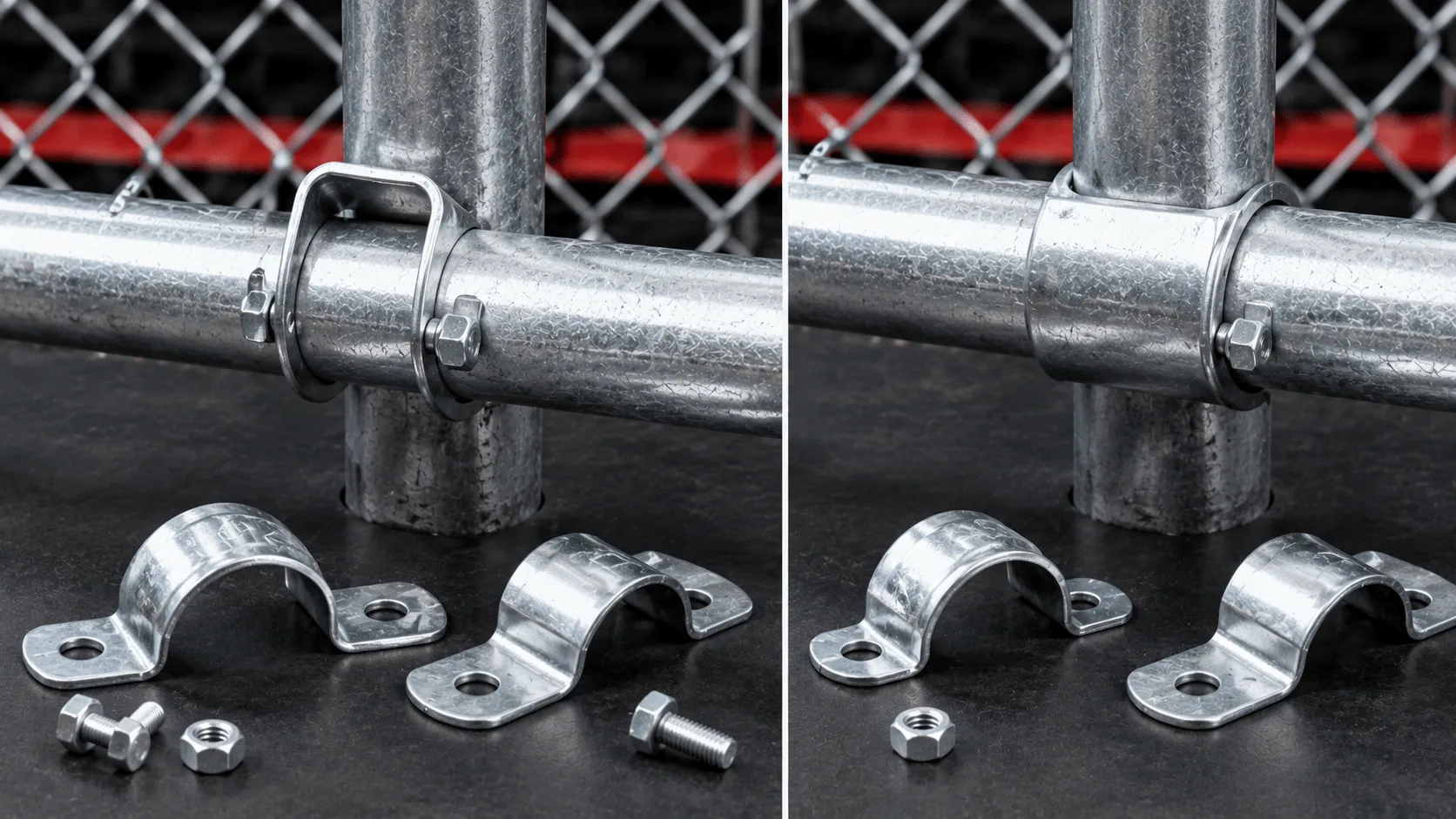
Compare loose fit vs tight fit pipe straps, including sizing, finishes and key factors to check when choosing straps for fencing pipe.
Tell us about the fence.
One business day. That's how fast we come back with pricing once we have your quantity, finish and postcode.
Buying regularly? Apply for a credit account