
Chain Link Fencing Components Needed for a Complete System
Learn the chain link fencing components needed to build a secure, durable, and complete fencing system.
Introduction
A chain link fence is much more than just mesh stretched between posts. To achieve long-term durability, structural integrity, and reliable security, multiple chain link fencing components must work together as a complete system. Each component plays a specific role in supporting the fence, maintaining tension, controlling access, and improving overall performance.
Whether securing a warehouse, logistics facility, school, sporting venue, industrial site, or commercial property, selecting the right chain link fencing components is essential for ensuring the fence performs effectively for years to come. Missing or poorly specified components can reduce fence lifespan, compromise security, and increase maintenance requirements.
At Supaguard Fencing, we understand that every fencing project requires a combination of quality products that work together seamlessly. Understanding the role of each component helps property owners and project managers build stronger and more reliable fencing systems.
TLDR Guide
A complete fencing system requires more than just fence mesh. Various chain link fencing components work together to provide strength, security, stability, and long-term performance.
The key components typically include:
- Chain Link Mesh
- Wire Products
- Gates
- Fittings
- Fencing Accessories
- Structural framework components
Each component contributes to the overall effectiveness of the fence system. Selecting quality materials helps improve durability, reduce maintenance, and maximise long-term value.
Detailed Breakdown
Why Every Component Matters
A chain link fence functions as a complete system rather than a collection of individual products.
While the mesh often receives the most attention, every component contributes to:
- Fence stability
- Structural integrity
- Security performance
- Access control
- Long-term durability
When all components are properly specified and installed, the result is a fencing system that performs reliably under a wide range of operating conditions.
This is why understanding the purpose of each component is important during the planning stage of any fencing project.
Chain Link Mesh Forms the Core of the Fence
The most visible of all chain link fencing components is the Chain Link Mesh itself.
Chain link mesh acts as the primary physical barrier and is commonly used because it provides:
- Strong perimeter protection
- Excellent visibility
- Long service life
- Cost-effective coverage
- Flexible installation options
Chain link mesh is widely used across commercial, industrial, educational, recreational, and infrastructure projects because it offers a balance between security and practicality.
The mesh forms the foundation of the fencing system, but it relies on several supporting components to function properly.
Wire Products Help Support Fence Performance
Another critical component is Wire.
Wire products perform a variety of functions within chain link fencing systems, including:
- Supporting mesh tension
- Reinforcing fence structure
- Maintaining alignment
- Assisting with installation
- Improving long-term durability
Common wire products may include line wire, helicoil wire, and other specialised fencing wires that help support structural performance.
Without properly specified wire products, chain link mesh may lose tension or stability over time.
Gates Provide Controlled Access
Every perimeter fence requires secure access points.
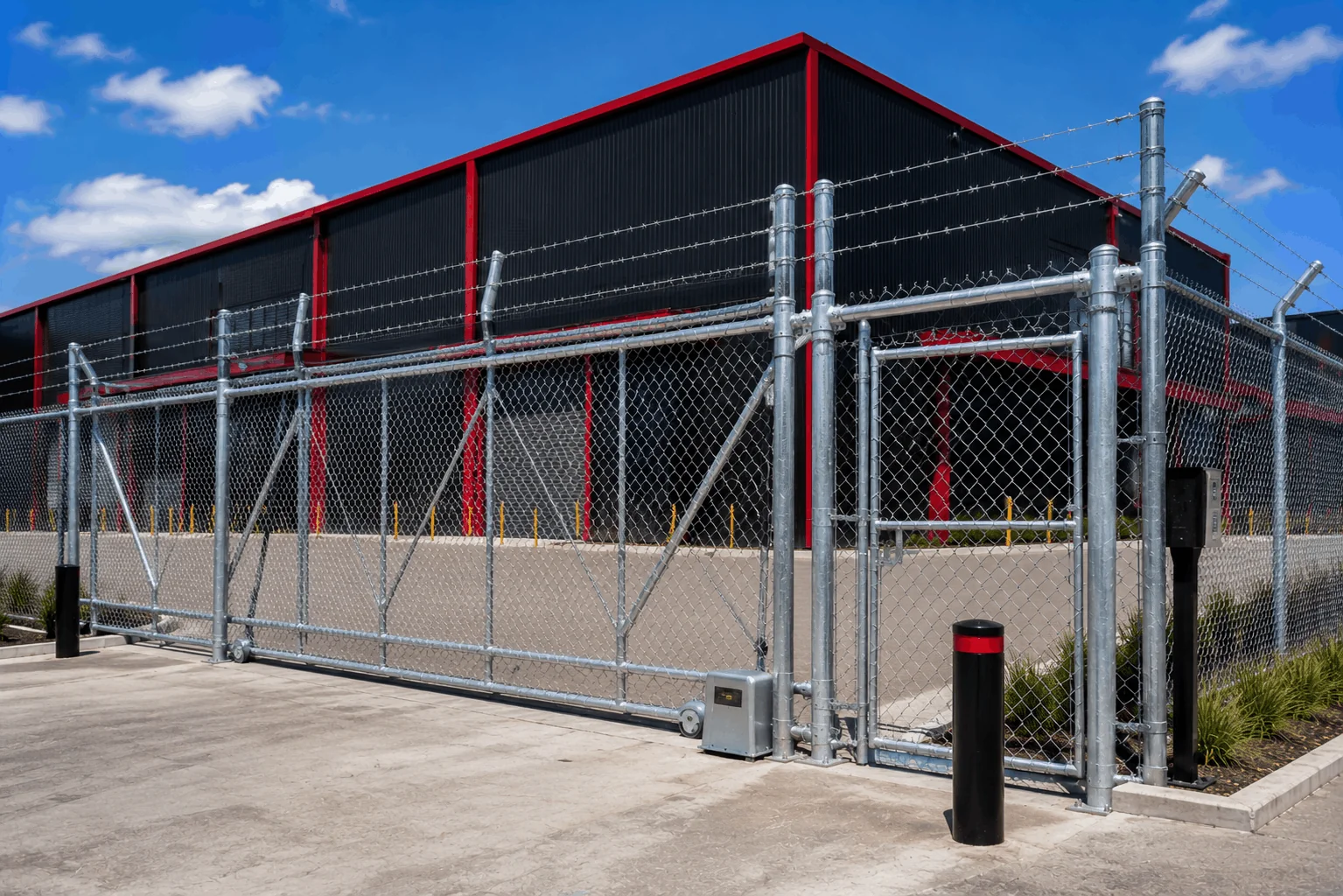
Gates are one of the most important chain link fencing components because they allow people, vehicles, and equipment to move through the perimeter while maintaining security.
Depending on the application, gates may include:
- Single chainwire gates
- Double chainwire gates
- Vehicle access gates
- Security gates
- Gates with 3-barb security features
Selecting the appropriate gate configuration helps balance operational requirements with security objectives.
A gate should always complement the surrounding fencing system to maintain perimeter integrity.
Fittings Hold the Framework Together
A chain link fence relies on numerous connection points throughout its structure.
Fittings are responsible for connecting and securing fence components such as:
- Posts
- Rails
- Braces
- Gates
- Structural supports
- Examples of fittings include:
- Corner fittings
- Tee fittings
- Cross fittings
- Rail clamps
- Post clamps
- Connectors
These components help maintain alignment, distribute loads, and improve overall fence stability.
Even the strongest fencing materials depend on quality fittings to achieve long-term performance.
Fencing Accessories Enhance Security and Installation
Many projects also require specialised Fencing Accessories to improve installation efficiency, maintenance, or security.
Common fencing accessories include:
- Barbed wire
- Netting clip pliers and C-clips
- Ring fastening guns and fasteners
- Touch up spray
- Wire spinners
- These accessories contribute to:
- Improved perimeter protection
- Faster installation
- Better maintenance outcomes
- Enhanced fence performance
For security-focused projects, accessories such as barbed wire can significantly strengthen perimeter protection.
The Importance of Structural Support Components
Although chain link mesh is the most visible element, the supporting framework provides the strength that allows the system to function properly.
Structural components typically include:
- Fence posts
- Rails
- Braces
- Support members
These elements work together with wire products, fittings, and mesh to create a stable and durable fencing system.
Proper framework design helps ensure the fence can withstand environmental pressures and daily operational demands.
How the Components Work Together
The effectiveness of a chain link fencing system depends on how well each component integrates with the others.
For example:
- Chain Link Mesh
- Provides the physical barrier.
- Wire Products
- Maintain tension and support.
- Gates
- Control access.
- Fittings
- Connect structural elements.
- Fencing Accessories
- Enhance performance and security.
When these components are correctly selected and installed, they create a cohesive fencing solution capable of delivering reliable long-term results.
Choosing Components Based on Your Application
Different projects require different fencing specifications.
Factors that influence component selection include:
- Security Requirements
- High-security sites may require additional accessories and specialised gate systems.
- Site Conditions
- Environmental exposure can affect material selection.
- Operational Requirements
- Vehicle access and traffic volumes influence gate choices.
- Fence Height and Length
Larger projects often require stronger structural support and additional reinforcement.
Evaluating these requirements early in the planning process helps ensure the correct components are selected.
Why Quality Matters
The lifespan of a fencing system often depends on the quality of the materials used.
High-quality chain link fencing components generally provide:
- Better durability
- Improved performance
- Lower maintenance costs
- Greater reliability
- Longer service life
Investing in quality components from the outset can reduce future repair and replacement expenses.
This makes product selection an important part of maximising return on investment.
Common Applications for Complete Chain Link Fencing Systems
Complete fencing systems are used across many industries.
Examples include:
- Warehouses
- Protect inventory and equipment.
- Logistics Facilities
- Secure large perimeters and access points.
- Industrial Sites
- Protect infrastructure and operational assets.
- Schools and Sporting Facilities
- Create safe and secure environments.
- Commercial Properties
- Provide boundary definition and access control.
Each application relies on the same principle: a fencing system performs best when all components work together effectively.
Getting Expert Advice for Your Project
Every fencing project presents unique challenges and requirements.
Selecting the right chain link fencing components can significantly influence security, durability, and long-term performance.
For assistance choosing the most suitable products for your fencing project, visit our Contact Page and speak with the team at Supaguard Fencing.
Key Takeaways
A complete fencing system requires multiple chain link fencing components working together to provide security, stability, and long-term durability. While chain link mesh forms the visible barrier, supporting products such as wire, gates, fittings, and fencing accessories are equally important.
Understanding the role of each component helps property owners and project managers design fencing systems that deliver reliable performance and long-term value.
Key points to remember include:
- Chain link mesh forms the primary fence barrier.
- Wire products help support tension and structural integrity.
- Gates provide controlled access.
- Fittings secure and connect framework components.
- Fencing accessories improve security and installation efficiency.
- Quality materials contribute to durability and longevity.
- Complete systems perform better than individual components alone.
By selecting the right chain link fencing components from the beginning, property owners can create a stronger, safer, and more dependable perimeter solution.
FAQs
What are the main chain link fencing components?
The primary chain link fencing components include chain link mesh, wire products, gates, fittings, fencing accessories, and structural framework elements. Each component serves a specific purpose within the fencing system. Together, they create a complete and functional perimeter solution.
Why is chain link mesh only one part of the fencing system?
Chain link mesh provides the physical barrier, but it relies on supporting components to function effectively. Wire products maintain tension, fittings create structural connections, and gates provide controlled access. Without these supporting elements, the fencing system would not perform properly.
What role do wire products play in chain link fencing?
Wire products help support the fence structure and maintain mesh tension. They contribute to stability, durability, and long-term performance. Properly specified wire products are essential for maintaining fence integrity.
Why are fittings important in a chain link fence?
Fittings connect and secure the various structural components throughout the fencing system. They help distribute loads and maintain alignment. Quality fittings contribute significantly to fence strength and reliability.
Which fencing accessories are commonly used with chain link fencing?
Common fencing accessories include barbed wire, netting clip pliers and C-clips, ring fastening guns and fasteners, touch up spray, and wire spinners. These products support installation, maintenance, and security objectives. The specific accessories required depend on the project requirements.
More from the blog.
 Fittings
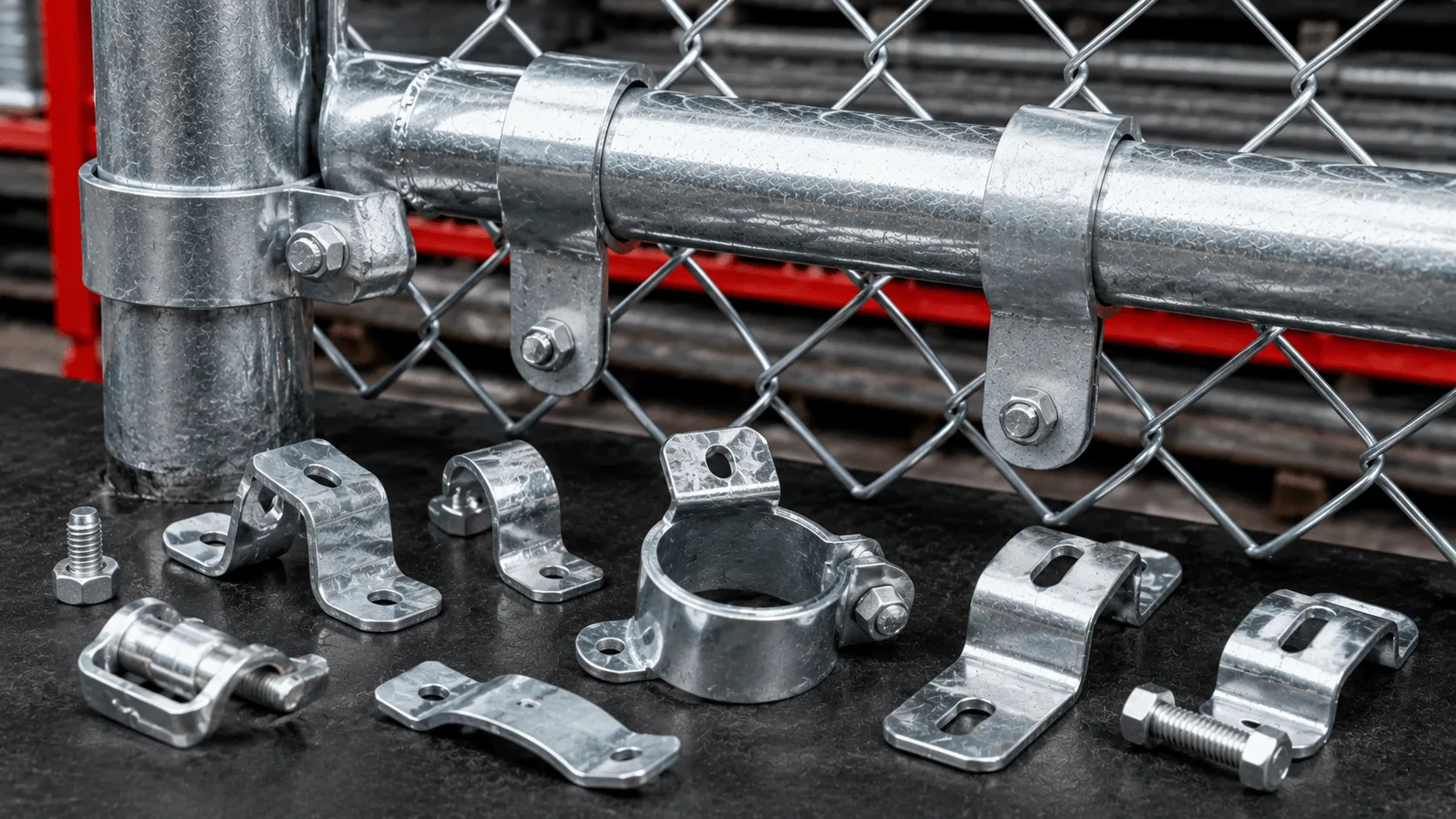
What Are Fence Strap Attachments and How Do They Work?
10 Sept 2026
Learn what fence strap attachments are, how they work and what to consider when choosing attachments for fencing pipe and framework.
 Fittings
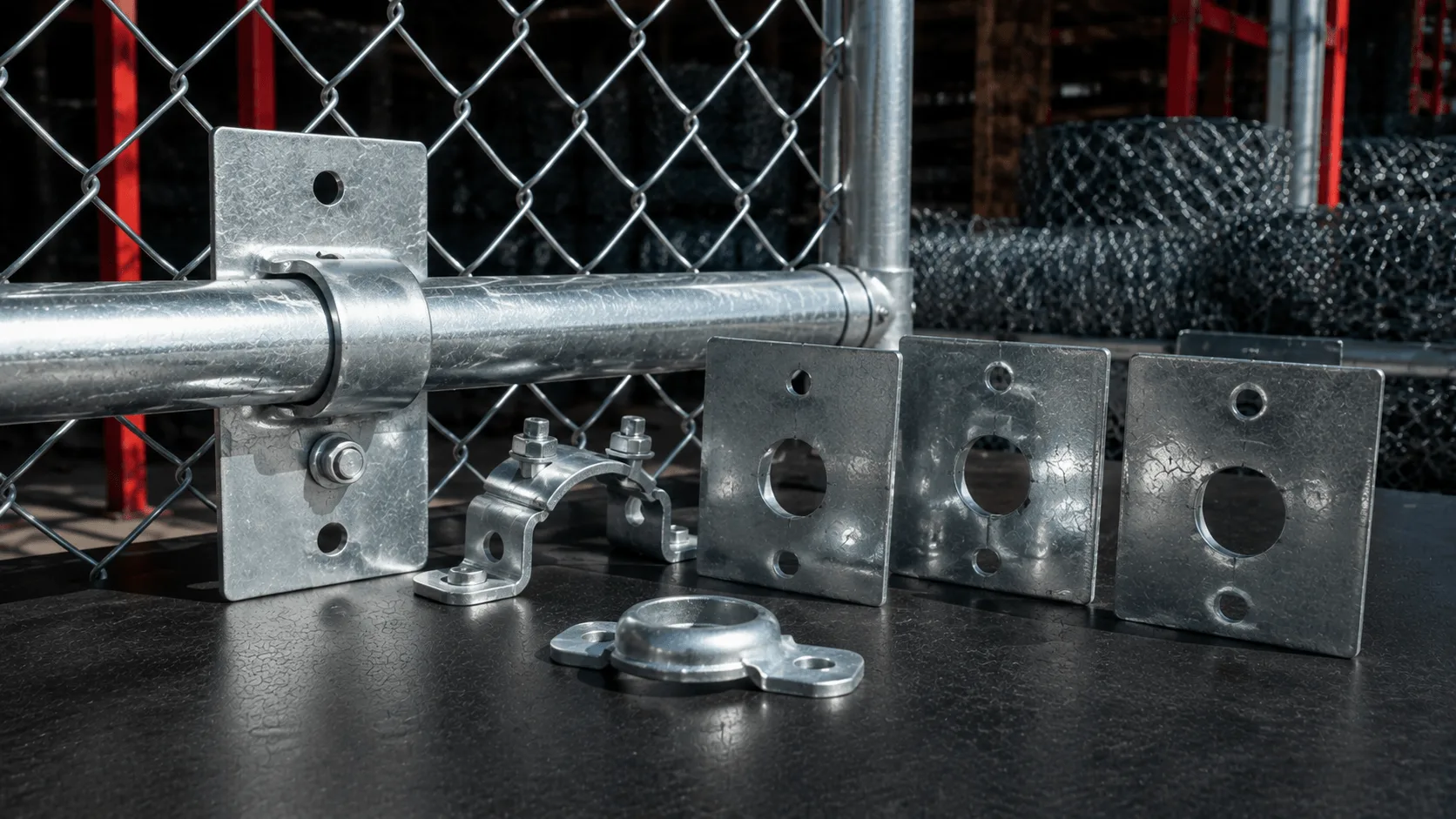
What Are Fence Back Plates and When Should You Use Them?
9 Sept 2026
Learn what fence back plates are, when to use them and how to choose the right size and finish for fencing pipe connections.
 Product Comparison
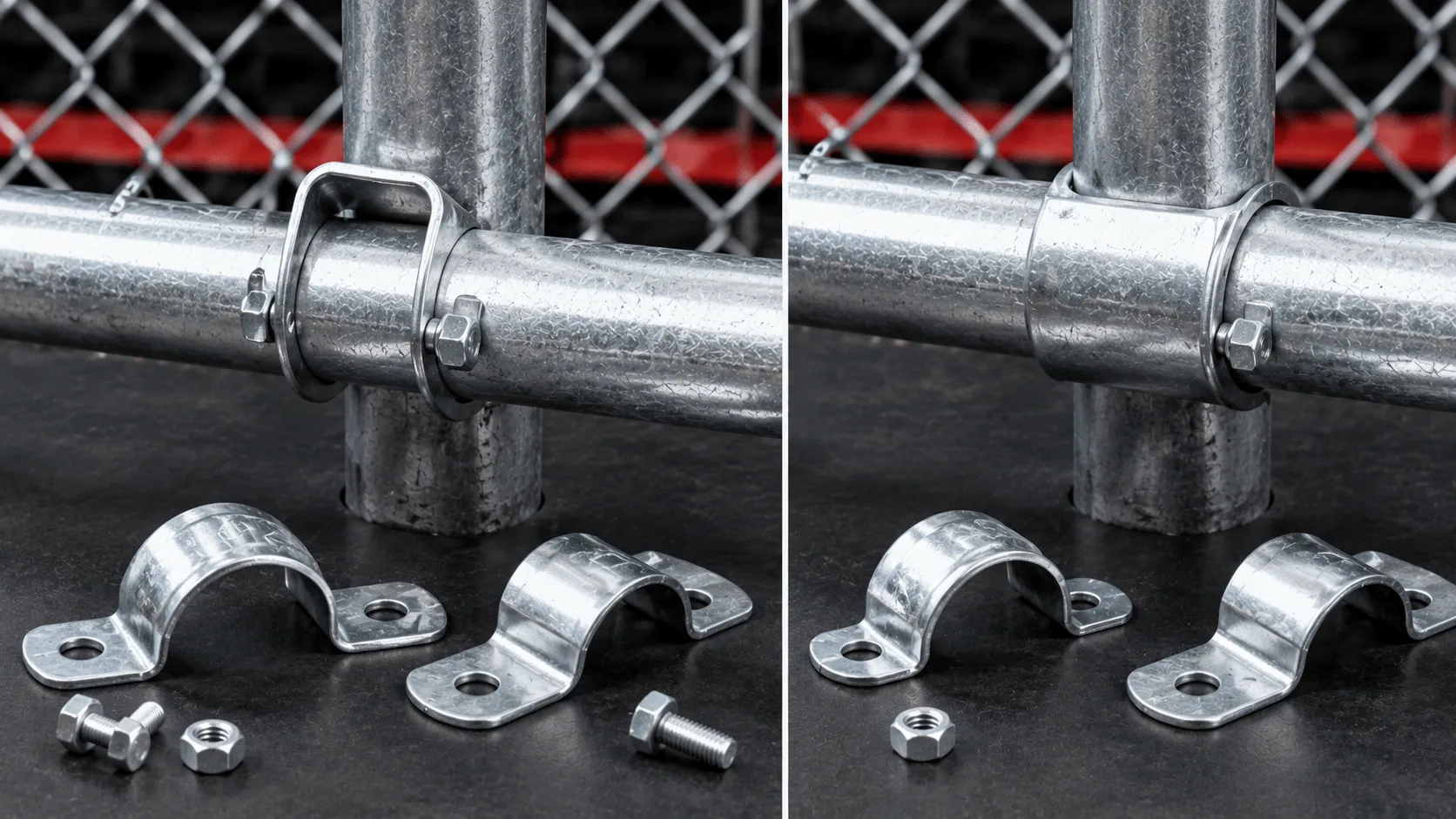
Loose Fit vs Tight Fit Pipe Straps: What's the Difference?
8 Sept 2026
Compare loose fit vs tight fit pipe straps, including sizing, finishes and key factors to check when choosing straps for fencing pipe.
Tell us about the fence.
One business day. That's how fast we come back with pricing once we have your quantity, finish and postcode.
Buying regularly? Apply for a credit account