
How Long Does Chain Link Mesh Last in Australian Conditions?
Discover the typical chain link mesh lifespan in Australian conditions and learn what factors affect durability and long-term performance.
Introduction
Understanding chain link mesh lifespan is essential when investing in perimeter security, commercial fencing, industrial boundaries, sporting facilities, schools, and infrastructure projects. Property owners want confidence that their fencing solution will continue performing reliably for many years without excessive maintenance or premature replacement.
Australia's climate can be particularly demanding on fencing materials. From intense UV exposure and extreme temperatures to coastal salt air and seasonal storms, fencing systems must withstand a wide range of environmental conditions. The lifespan of chain link mesh depends on several factors, including material quality, protective coatings, installation standards, environmental exposure, and ongoing maintenance.
At Supaguard Fencing, we manufacture fencing products designed to perform in challenging Australian environments. Understanding what affects chain link mesh lifespan can help property owners make informed decisions that maximise long-term value and security.
TLDR Guide
The average chain link mesh lifespan can range from 20 to 50 years or more, depending on the type of mesh, environmental conditions, and maintenance practices.
Heavily galvanised chain link mesh offers excellent durability and corrosion resistance for most commercial and industrial applications. PVC coated chain link mesh provides an additional protective layer that can further extend longevity, particularly in coastal and high-moisture environments.
Important factors affecting lifespan include:
- Type of protective coating
- Quality of wire materials
- Environmental exposure
- Installation quality
- Maintenance practices
- Physical impacts and damage
When properly manufactured, installed, and maintained, chain link mesh remains one of the longest-lasting fencing solutions available.
Detailed Breakdown
What Is the Typical Chain Link Mesh Lifespan?
One of the reasons chain link fencing remains popular across Australia is its impressive longevity. Unlike some fencing materials that may deteriorate rapidly when exposed to harsh weather, chain link mesh is specifically designed for long-term outdoor use.
A properly manufactured and installed chain link fence can often remain functional for several decades while maintaining its structural integrity and security performance.
Typical lifespan expectations include:
- Standard commercial installations: 20–40 years
- Heavily galvanised systems: 30–50+ years
- PVC coated systems: 30–50+ years depending on conditions
- Well-maintained installations: Often exceed expected service life
Actual longevity depends on multiple variables, which should be considered during the planning and specification stage.
Why Australian Conditions Matter
Australia presents some of the most demanding environmental conditions for outdoor infrastructure.
Factors that can influence chain link mesh lifespan include:
- UV Exposure
Australia's intense sunlight can accelerate the ageing process of many outdoor materials. High-quality protective coatings help minimise UV-related deterioration and maintain fence performance over time.
Coastal Environments
Salt-laden air is one of the most aggressive factors affecting metal fencing. Coastal properties often experience increased corrosion risks, making material selection particularly important.
Temperature Extremes
Many Australian regions experience significant temperature fluctuations throughout the year. Durable fencing systems must withstand expansion, contraction, and ongoing environmental stress.
Rainfall and Moisture
Extended exposure to moisture can contribute to corrosion if protective coatings become damaged or compromised.
Understanding these environmental influences helps property owners choose the most suitable fencing system for their location.
How Heavily Galvanised Chain Link Mesh Extends Lifespan
One of the most effective ways to improve chain link mesh lifespan is through galvanisation.
Heavily Galvanised Chain Link Mesh features a protective zinc coating that acts as a barrier between the steel wire and environmental elements. This coating significantly reduces the risk of corrosion and helps maintain structural integrity over many years.
Benefits of heavily galvanised mesh include:
- Excellent corrosion resistance
- Long-term durability
- Low maintenance requirements
- Strong structural performance
- Cost-effective lifecycle value
For many industrial, commercial, and infrastructure applications, heavily galvanised chain link mesh remains a preferred solution due to its proven track record in Australian conditions.
How PVC Coated Chain Link Mesh Improves Longevity
PVC Coated Chain Link Mesh takes protection a step further by applying a durable PVC layer over galvanised wire.
This dual-protection approach offers several advantages:
- Additional moisture protection
- Enhanced resistance to salt exposure
- Improved UV performance
- Reduced direct environmental contact
- Attractive long-term appearance
- PVC coated mesh is particularly beneficial for:
- Coastal properties
- Schools
- Sporting facilities
- Public infrastructure
- Commercial developments
The additional coating helps protect the underlying galvanised steel while extending the overall service life of the fencing system.
The Importance of High-Quality Wire Products
The quality of the wire used during manufacturing plays a major role in determining chain link mesh lifespan.
High-quality Wire Products contribute to:
- Consistent mesh strength
- Better corrosion resistance
- Improved tensile performance
- Greater durability under stress
- Long-term structural reliability
Even the most advanced protective coating cannot compensate for poor-quality wire materials. Selecting fencing manufactured from premium wire products helps ensure reliable long-term performance.
Factors That Can Reduce Chain Link Mesh Lifespan
While chain link fencing is highly durable, certain factors can shorten its service life.
Physical Damage
Vehicle impacts, vandalism, or accidental damage can compromise protective coatings and expose the underlying steel.
Poor Installation
Improper installation can create stress points that affect fence stability and durability over time.
Neglected Maintenance
Failing to inspect and address minor issues can allow damage to worsen, potentially reducing overall lifespan.
Harsh Environmental Exposure
Properties located near coastlines or industrial environments may experience accelerated wear if fencing materials are not properly specified.
Recognising these risks allows property owners to take proactive steps that maximise fence longevity.
Maintenance Tips to Extend Chain Link Mesh Lifespan
Although chain link fencing requires relatively little maintenance, periodic inspections can help preserve its condition.
Recommended maintenance practices include:
- Conduct annual fence inspections
- Remove vegetation growing against the fence
- Clean accumulated debris
- Check for damaged coatings
- Inspect posts and fittings
- Repair minor issues promptly
Preventative maintenance often costs far less than major repairs or premature fence replacement.
When Should Chain Link Mesh Be Replaced?
Even the most durable fencing systems eventually reach the end of their service life.
Potential indicators that replacement may be necessary include:
- Extensive corrosion
- Significant structural damage
- Widespread coating deterioration
- Compromised security performance
- Repeated repair requirements
However, many chain link fences continue performing effectively for decades when properly maintained and constructed using quality materials.
Why Chain Link Mesh Remains a Long-Term Investment
The combination of durability, affordability, and low maintenance requirements makes chain link mesh one of the most cost-effective fencing solutions available.
For commercial and industrial properties, long lifespan translates into:
- Lower lifecycle costs
- Reduced replacement frequency
- Consistent security performance
- Improved return on investment
- Greater operational reliability
When properly specified and installed, chain link fencing provides long-term value that few alternative fencing systems can match.
Key Takeaways
Understanding chain link mesh lifespan helps property owners make smarter fencing investments and plan for long-term perimeter security. Australian conditions can be challenging, but high-quality chain link fencing is specifically designed to withstand demanding environments while delivering reliable performance for decades.
The lifespan of a fence depends on factors such as coating type, wire quality, environmental exposure, installation standards, and maintenance practices. Heavily galvanised and PVC coated chain link mesh both offer exceptional durability, making them trusted choices for commercial, industrial, and infrastructure applications across Australia.
Key points to remember include:
- Chain link mesh can often last 20 to 50 years or more.
- Environmental conditions significantly affect lifespan.
- Heavily galvanised mesh offers outstanding corrosion resistance.
- PVC coated mesh provides additional protection in harsh environments.
- High-quality wire products support long-term durability.
- Regular maintenance helps maximise service life.
By selecting quality materials and implementing routine inspections, property owners can achieve decades of reliable performance from their chain link fencing systems.
FAQs
What is the average chain link mesh lifespan in Australia?
The average chain link mesh lifespan in Australia typically ranges from 20 to 50 years or more. Actual longevity depends on environmental conditions, material quality, and maintenance practices. Well-maintained fences often exceed expected service life.
Does galvanised chain link mesh last longer than standard fencing?
Yes, heavily galvanised chain link mesh generally offers superior durability compared to many standard fencing materials. The protective zinc coating helps resist corrosion and environmental damage. This contributes significantly to long-term performance.
Is PVC coated chain link mesh suitable for coastal areas?
PVC coated chain link mesh is often an excellent choice for coastal environments. The additional PVC layer provides enhanced protection against salt exposure and moisture. This can help extend the lifespan of the fencing system in challenging locations.
How can I extend the lifespan of my chain link fence?
Regular inspections, cleaning, and prompt repairs can help maximise chain link mesh lifespan. Maintaining protective coatings and preventing vegetation buildup also contribute to long-term durability. Preventative maintenance is often the most effective strategy.
Do wire products affect chain link mesh lifespan?
Yes, the quality of wire products used during manufacturing directly impacts fence performance and longevity. Premium wire materials improve strength, corrosion resistance, and structural integrity. High-quality wire forms the foundation of a durable chain link fencing system.
More from the blog.
 Fittings
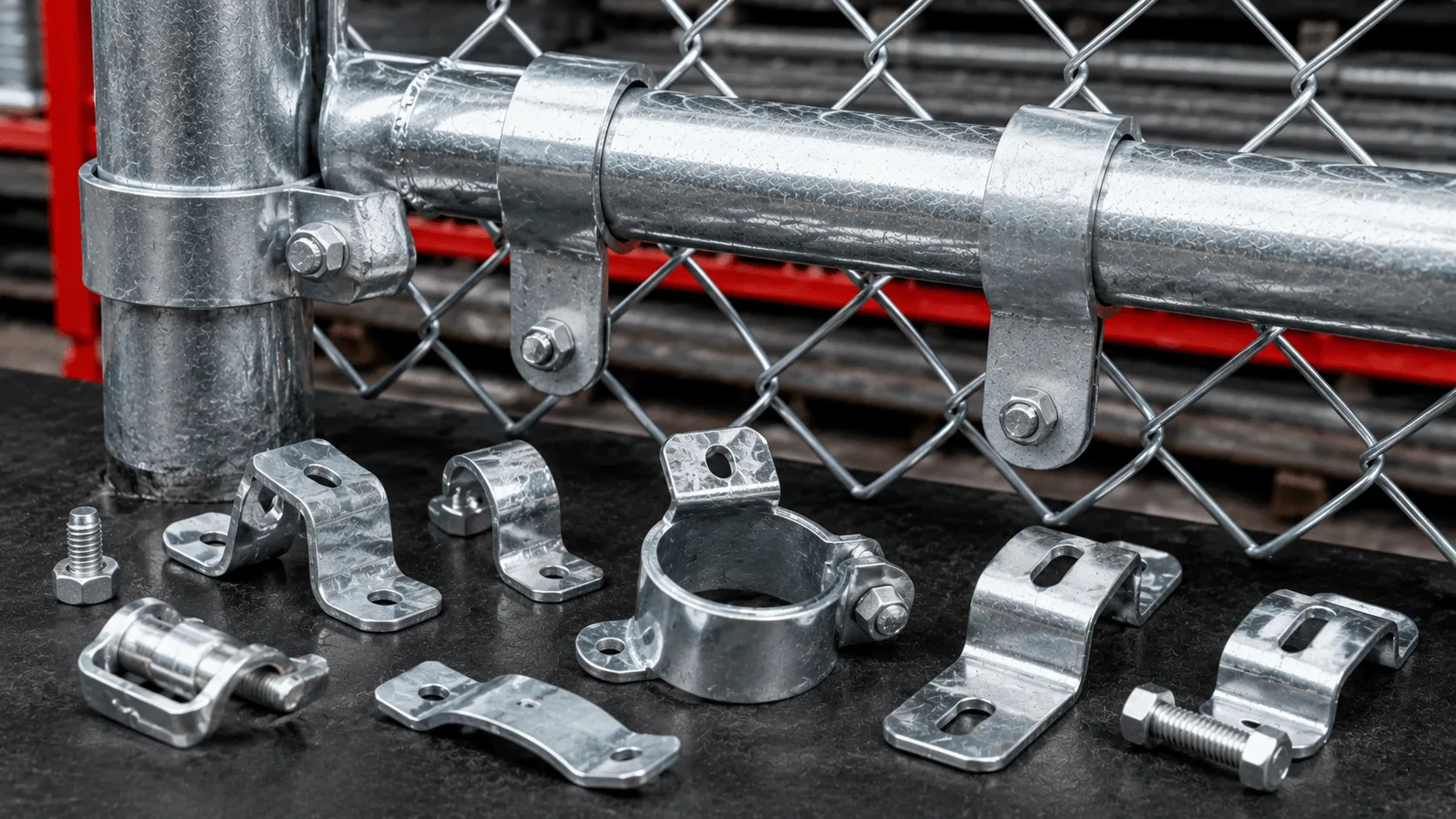
What Are Fence Strap Attachments and How Do They Work?
10 Sept 2026
Learn what fence strap attachments are, how they work and what to consider when choosing attachments for fencing pipe and framework.
 Fittings
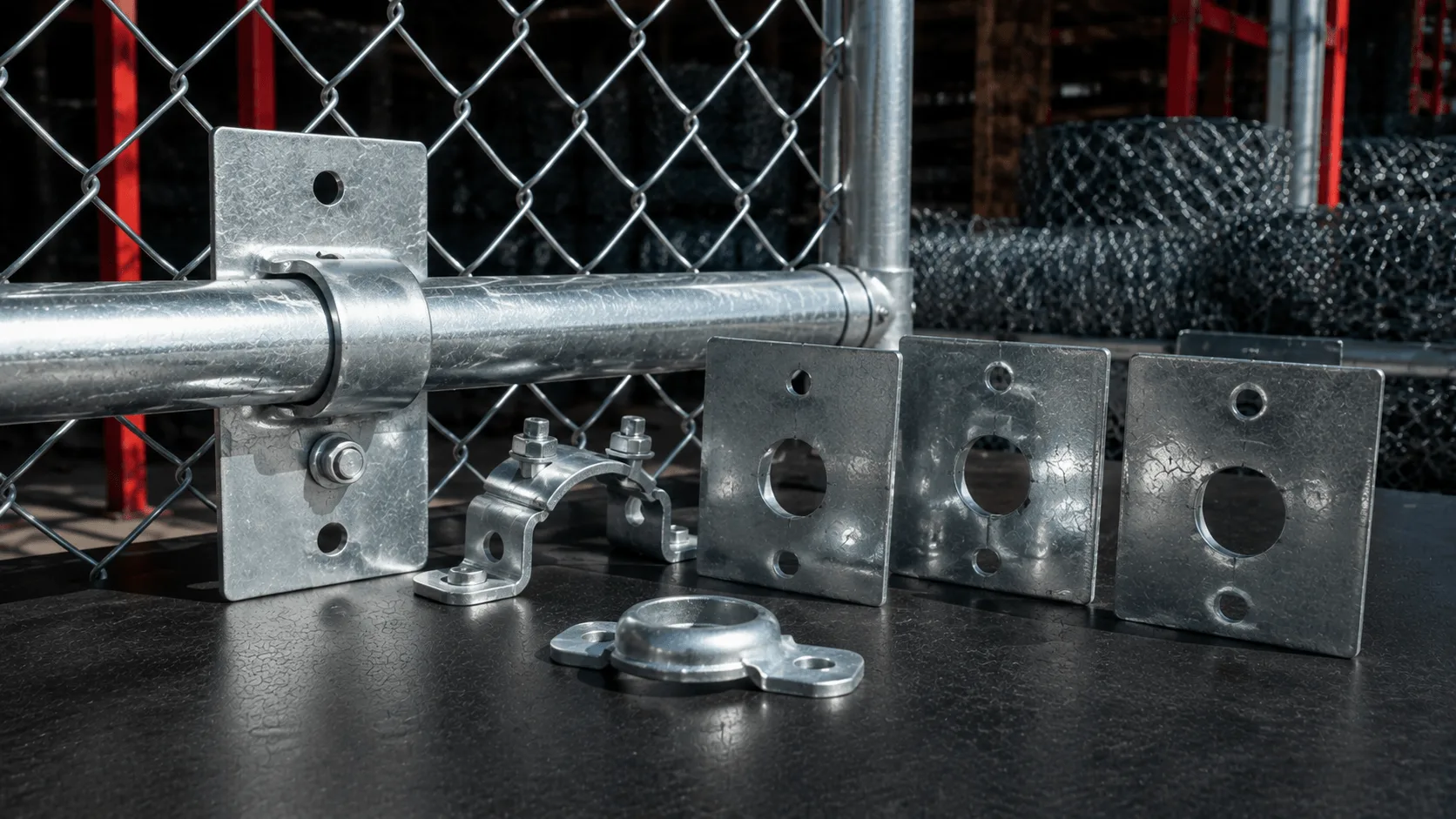
What Are Fence Back Plates and When Should You Use Them?
9 Sept 2026
Learn what fence back plates are, when to use them and how to choose the right size and finish for fencing pipe connections.
 Product Comparison
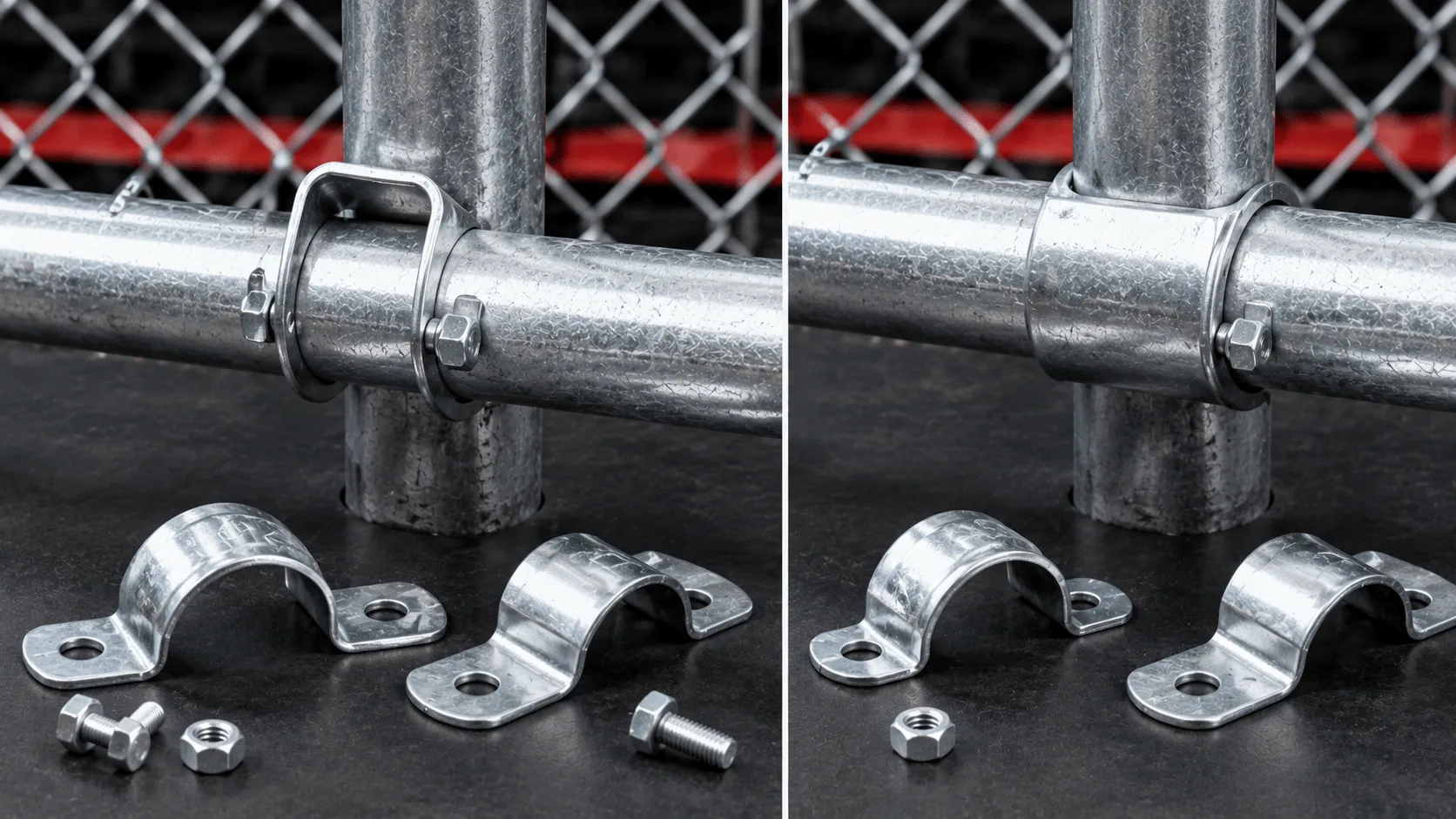
Loose Fit vs Tight Fit Pipe Straps: What's the Difference?
8 Sept 2026
Compare loose fit vs tight fit pipe straps, including sizing, finishes and key factors to check when choosing straps for fencing pipe.
Tell us about the fence.
One business day. That's how fast we come back with pricing once we have your quantity, finish and postcode.
Buying regularly? Apply for a credit account