
How to Choose the Best Chain Link Mesh Size for Security
Learn how to choose the right chain link mesh size for security, durability, visibility, and long-term perimeter protection.
Introduction
Selecting the right chain link mesh size is one of the most important decisions when designing a secure fencing system. While many people focus on fence height or material specifications, mesh size plays a critical role in determining how effective a fence will be at preventing unauthorized access, protecting assets, and supporting long-term security goals.
A properly selected mesh size can help improve perimeter protection, reduce climbing opportunities, and create a stronger overall fencing solution. Whether securing a warehouse, industrial facility, school, sporting complex, construction site, or commercial property, understanding how chain link mesh size impacts security is essential.
At Supaguard Fencing, we manufacture fencing solutions designed to meet the demands of Australian commercial, industrial, and infrastructure projects. Understanding the relationship between mesh size and security can help ensure the right fencing system is selected from the outset.
TLDR Guide
The best chain link mesh size depends on the level of security required, the type of property being protected, and environmental considerations.
Smaller mesh openings generally provide greater security because they are more difficult to climb and harder to penetrate. Larger mesh openings may offer cost advantages and improved visibility but may not provide the same level of protection for high-security applications.
Important considerations include:
- Smaller mesh sizes improve security.
- Larger mesh sizes often reduce material costs.
- Fence height and gate security should complement mesh selection.
- Industrial and commercial sites often require stronger security specifications.
- Wire quality contributes significantly to fence performance.
- Security requirements should guide the final mesh size selection.
Choosing the right mesh size ensures the fencing system delivers the appropriate balance between protection, visibility, durability, and budget.
Detailed Breakdown
Understanding Chain Link Mesh Size
Chain link mesh size refers to the dimensions of the diamond-shaped openings formed by the woven wire pattern. These openings determine how much visibility, airflow, accessibility, and security the fence provides.
The size of the mesh opening directly influences:
- Climb resistance
- Perimeter security
- Fence strength
- Visibility through the fence
- Material usage
- Overall project cost
When evaluating security fencing, mesh size should always be considered alongside fence height, wire gauge, gate design, and installation quality.
For most commercial and industrial projects, selecting the correct Chain Link Mesh is a foundational step in achieving effective perimeter protection.
Why Mesh Size Matters for Security
Many people assume that taller fences automatically provide better security. While height is important, mesh size often has a greater impact on how easily a fence can be climbed or breached.
Smaller mesh openings create fewer footholds and handholds, making climbing considerably more difficult. This can significantly increase the effectiveness of a security fence without necessarily increasing its height.
Security benefits of smaller mesh sizes include:
- Reduced climbing opportunities
- Increased perimeter protection
- Greater resistance to tampering
- Improved containment capabilities
- Enhanced overall fence integrity
For facilities where security is a primary concern, mesh size should be carefully evaluated rather than treated as an afterthought.
Common Chain Link Mesh Sizes and Their Applications
Different mesh sizes are suited to different environments and security requirements.
Larger Mesh Openings
Larger mesh sizes are commonly used where visibility and cost efficiency are priorities.
Typical applications include:
- Sporting facilities
- Parks
- Recreational areas
- General boundary fencing
- Low-risk commercial properties
These applications benefit from unobstructed sightlines and reduced material requirements.
Medium Mesh Openings
Medium-sized mesh openings provide a balance between security and visibility.
Common applications include:
- Schools
- Warehouses
- Commercial developments
- Light industrial sites
- Storage facilities
- This category often represents the most versatile option for many businesses.
- Smaller Mesh Openings
- Smaller mesh sizes are often selected for higher-security environments.
- Examples include:
- Infrastructure projects
- Government facilities
- Utility compounds
- Critical asset protection
- High-value storage facilities
The reduced opening size makes climbing and intrusion more difficult while maintaining visibility through the fence.
How Fence Height and Mesh Size Work Together
Mesh size should never be considered in isolation.
A comprehensive security strategy combines:
- Appropriate mesh size
- Adequate fence height
- Secure access points
- Quality materials
- Proper installation
A tall fence with large openings may still present climbing opportunities. Conversely, a smaller mesh size can significantly improve security performance even at moderate fence heights.
The most effective fencing systems integrate multiple security features to create a strong and cohesive perimeter.
The Importance of Security Gates
Even the most secure fence can be compromised if access points are not properly designed.
Security-focused Gates play a vital role in maintaining the integrity of the fencing system. Gates should be designed to complement the mesh size and security objectives of the overall perimeter.
Important considerations include:
- Matching mesh specifications
- Durable construction
- Secure locking mechanisms
- Controlled access points
- Long-term reliability
When gates and fencing are designed as a complete system, overall security performance is significantly improved.
Wire Quality Is Just as Important as Mesh Size
While mesh dimensions often receive the most attention, wire quality remains one of the most important contributors to fencing performance.
High-quality Wire Products provide the structural foundation that supports durability, strength, and long-term reliability.
Quality wire helps ensure:
- Consistent mesh formation
- Improved tensile strength
- Better corrosion resistance
- Enhanced fence lifespan
- Reliable performance under pressure
Selecting premium wire materials can have a substantial impact on how well a security fence performs over time.
Factors to Consider When Choosing a Chain Link Mesh Size
Every project has unique requirements, which means there is rarely a one-size-fits-all solution.
Before selecting a mesh size, consider:
- Security Level Required
Higher-risk environments typically benefit from smaller mesh openings that make climbing and intrusion more difficult.
Property Type
Schools, warehouses, industrial facilities, sporting venues, and infrastructure projects all have different security priorities.
Visibility Requirements
Some facilities require clear sightlines for surveillance and monitoring purposes.
Environmental Conditions
Weather exposure, surrounding vegetation, and operational requirements may influence the most suitable fencing specification.
Budget Considerations
Balancing security objectives with project budgets helps ensure the most effective long-term investment.
Choosing the Right Mesh Size for Commercial and Industrial Security
Commercial and industrial properties often require a careful balance between visibility, access control, and security.
The ideal chain link mesh size should:
- Deter unauthorised access
- Support surveillance efforts
- Maintain operational efficiency
- Provide long-term durability
- Complement gate and perimeter designs
Working with experienced manufacturers ensures the selected fencing solution aligns with both current security needs and future operational requirements.
Key Takeaways
Choosing the right chain link mesh size is a critical part of creating an effective security fencing system. While mesh size may seem like a minor detail, it directly influences climb resistance, perimeter protection, visibility, and overall fence performance.
Smaller mesh openings generally provide stronger security by reducing climbing opportunities and making intrusion more difficult. However, the best choice depends on the specific requirements of the property, operational goals, and budget considerations.
Key points to remember include:
- Mesh size significantly impacts fence security.
- Smaller openings generally improve climb resistance.
- Fence height and mesh size should work together.
- Gates are essential components of perimeter security.
- High-quality wire contributes to long-term performance.
- Security objectives should drive mesh size selection.
By carefully evaluating security needs and selecting the appropriate fencing specifications, property owners can create a durable and effective perimeter solution that delivers long-term value.
FAQs
What is the best chain link mesh size for security?
The best chain link mesh size for security is typically one that minimises climbing opportunities while maintaining visibility. Smaller mesh openings are generally harder to climb and provide stronger perimeter protection. The ideal size depends on the property's specific security requirements and operational needs.
Does a smaller chain link mesh size improve security?
Yes, smaller mesh openings can significantly improve security because they reduce available handholds and footholds. This makes climbing more difficult and can discourage unauthorised access attempts. Many high-security facilities use smaller mesh sizes for this reason.
How does chain link mesh size affect visibility?
Larger mesh openings generally provide greater visibility through the fence. Smaller mesh sizes may slightly reduce visibility but often provide enhanced security benefits. The right balance depends on surveillance requirements and site objectives.
Should chain link mesh size match gate specifications?
Yes, matching gate and fence specifications helps create a more consistent and secure perimeter. Gates that use compatible mesh sizes maintain the integrity of the overall fencing system. This approach also creates a more professional and cohesive appearance.
Does wire quality matter when selecting chain link mesh size?
Absolutely. Even the most appropriate mesh size can underperform if the wire quality is poor. High-quality wire contributes to fence strength, durability, corrosion resistance, and long-term reliability, making it a critical factor in any security fencing project.
More from the blog.
 Fittings
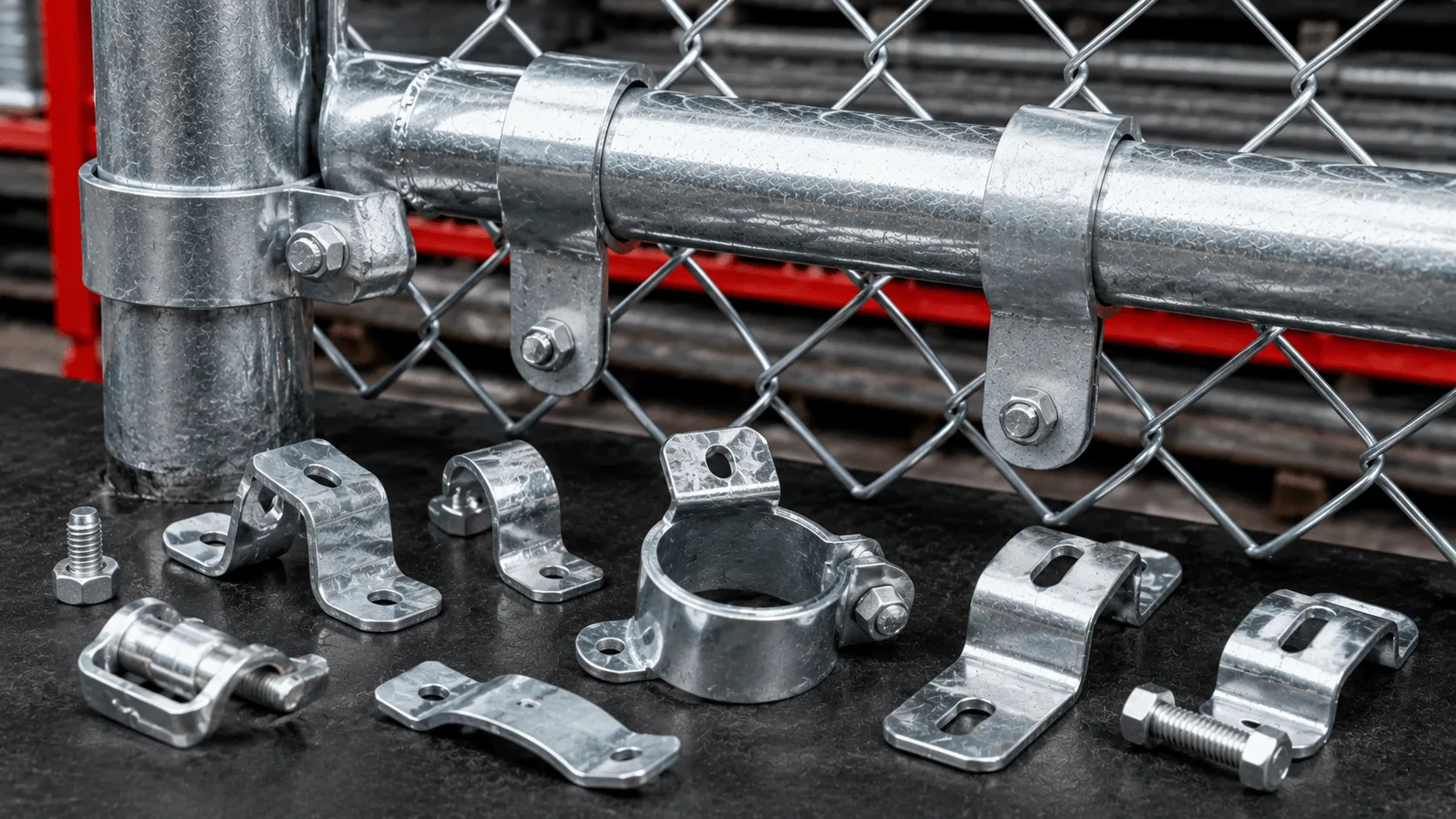
What Are Fence Strap Attachments and How Do They Work?
10 Sept 2026
Learn what fence strap attachments are, how they work and what to consider when choosing attachments for fencing pipe and framework.
 Fittings
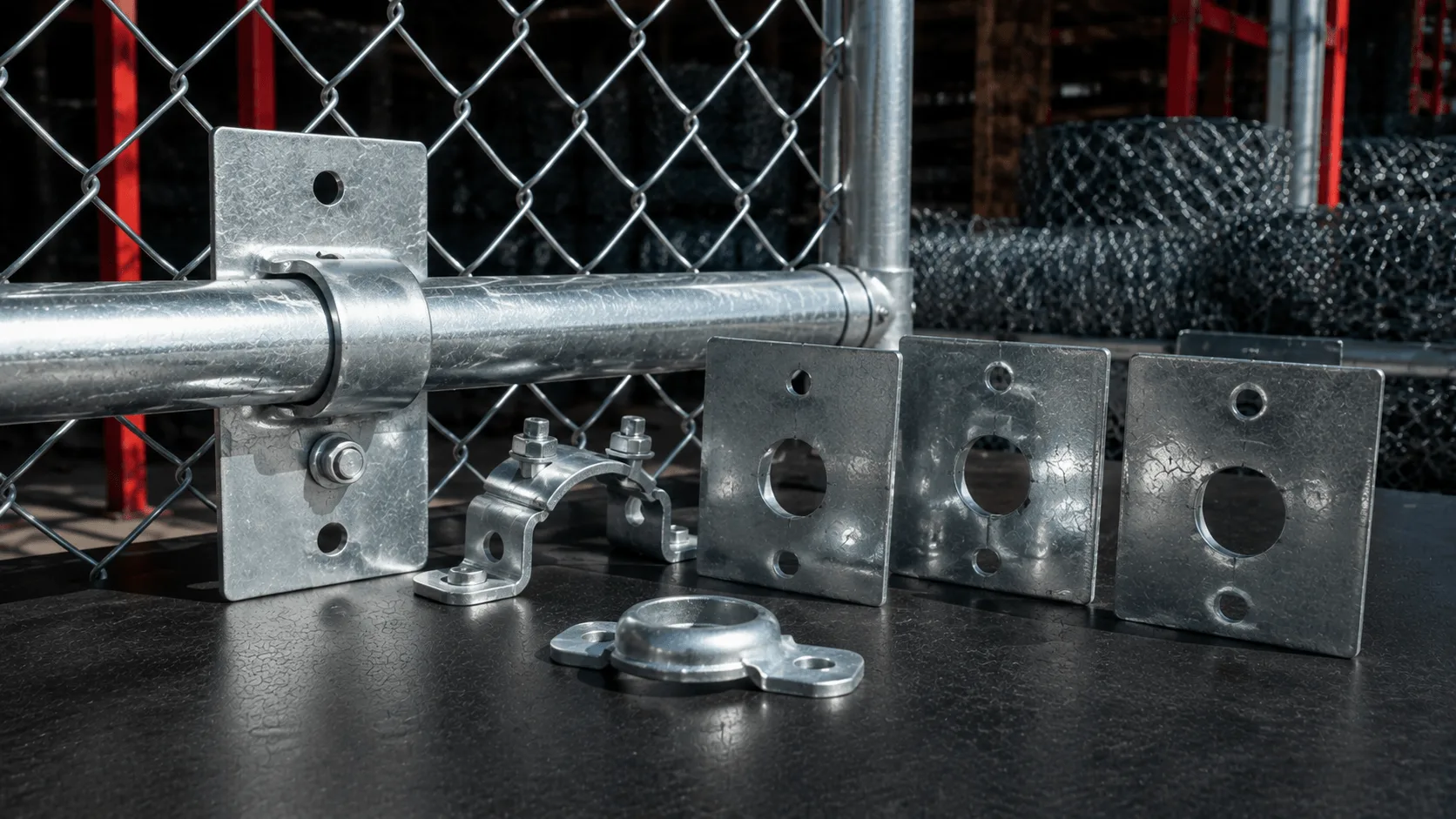
What Are Fence Back Plates and When Should You Use Them?
9 Sept 2026
Learn what fence back plates are, when to use them and how to choose the right size and finish for fencing pipe connections.
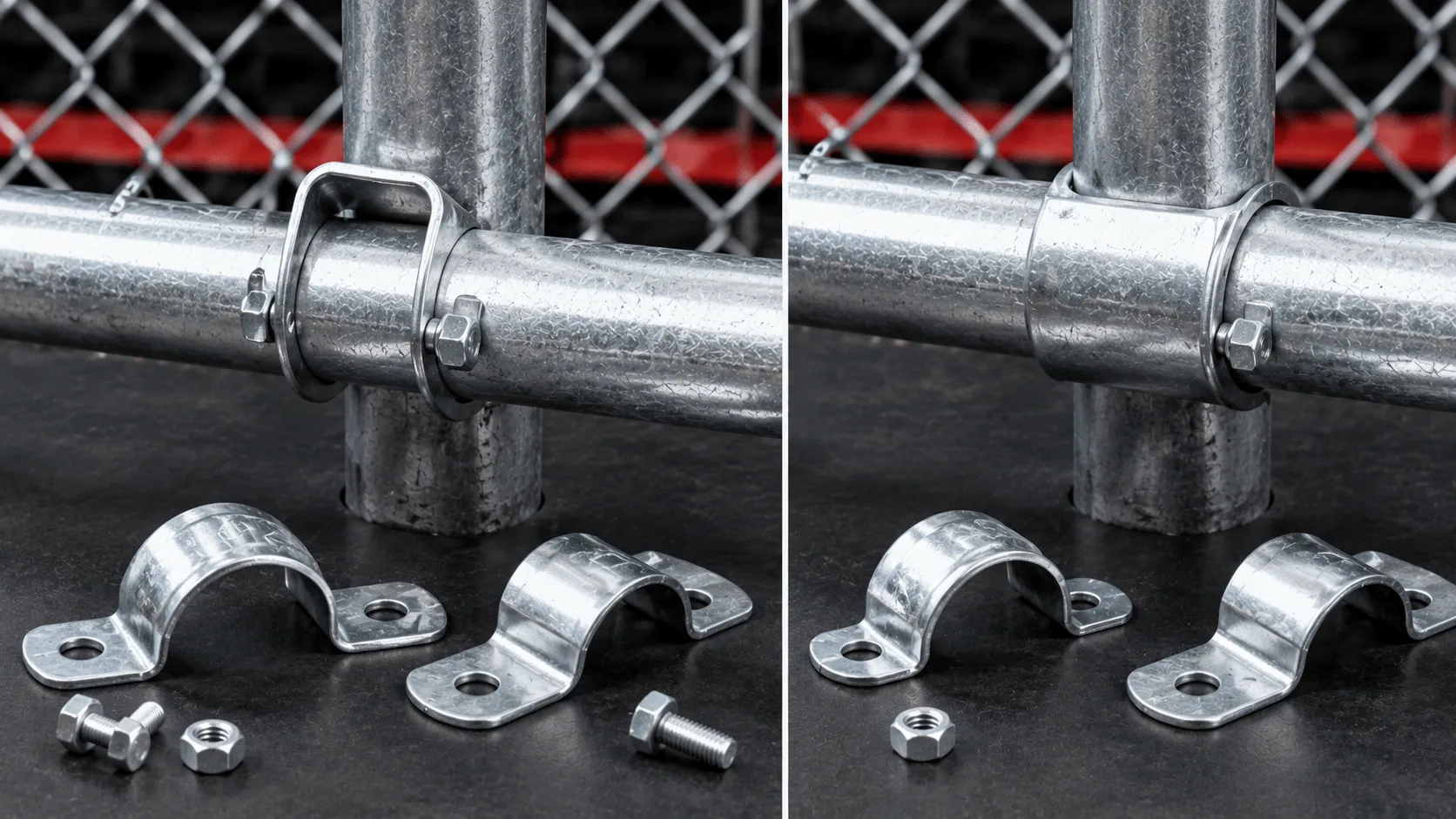 Product Comparison
Loose Fit vs Tight Fit Pipe Straps: What's the Difference?
8 Sept 2026
Compare loose fit vs tight fit pipe straps, including sizing, finishes and key factors to check when choosing straps for fencing pipe.
Tell us about the fence.
One business day. That's how fast we come back with pricing once we have your quantity, finish and postcode.
Buying regularly? Apply for a credit account