
How to Choose Chain Link Fencing for Warehouses and Distribution Centres
Learn how to choose chain link fencing for warehouses with expert tips on security, durability, and long-term performance.
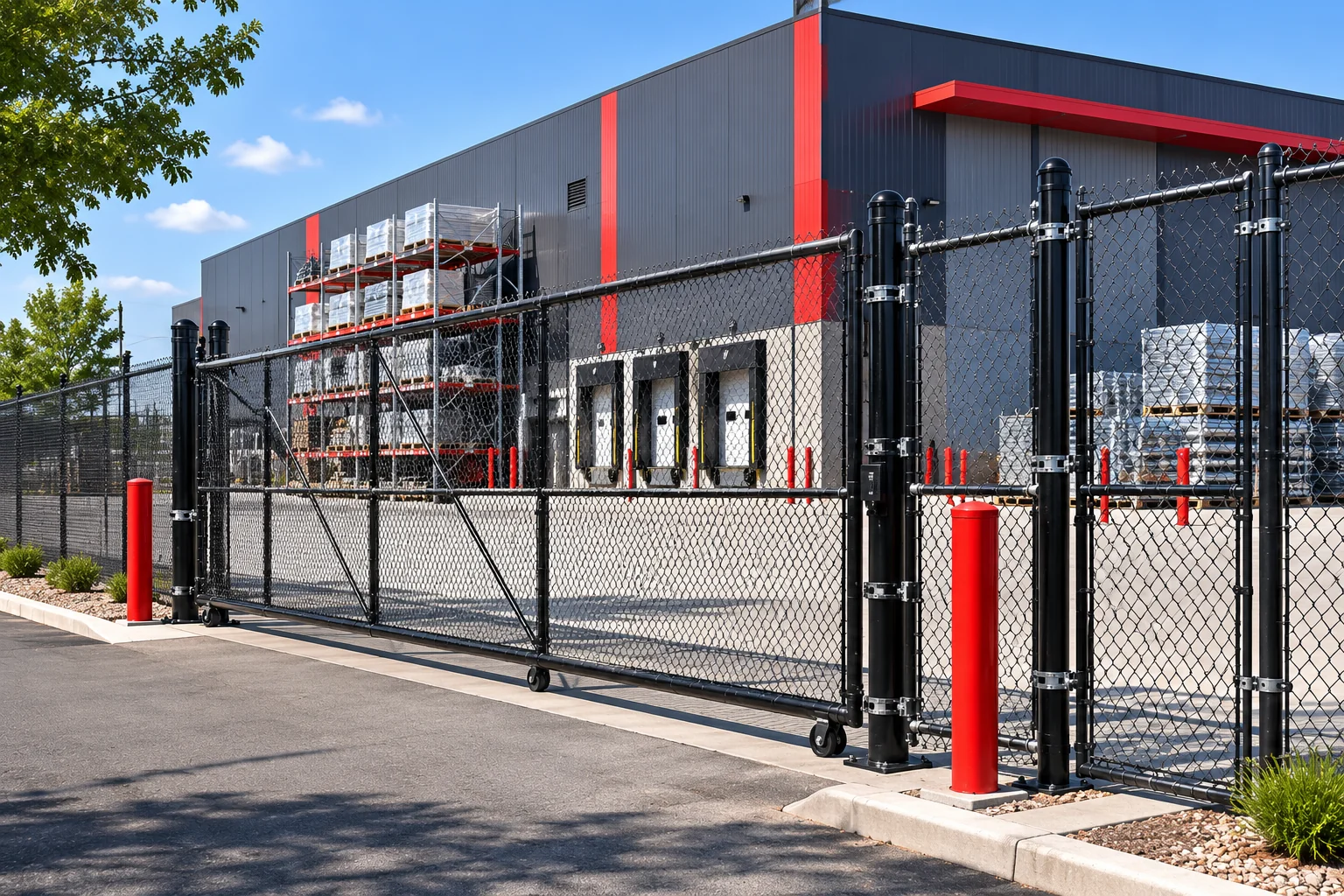
Warehouses and distribution centres are busy environments where security, efficiency, and durability are essential. With valuable inventory, heavy vehicle traffic, and constant daily operations, choosing the right fencing system is crucial for protecting assets while maintaining smooth access for staff and deliveries.
If you're looking to choose chain link fencing for warehouses, it's important to consider factors such as fence height, material quality, gate access, and long-term maintenance. A well-designed chain link fencing system not only secures your property but also provides excellent visibility, making it easier to monitor activity across the site.
Choosing a trusted Australian supplier like Supaguard Fencing ensures you have access to high-quality fencing products designed for demanding commercial and industrial environments. From chain link mesh to gates and fittings, selecting compatible components helps create a reliable security solution that stands the test of time.
TLDR – Quick Guide
When you choose chain link fencing for warehouses, make sure you:
- Select high-quality chain link mesh.
- Choose durable pipe and structural components.
- Install secure gates for controlled access.
- Use quality wire and fittings.
- Consider future maintenance requirements.
- Purchase compatible products from one trusted supplier.
Detailed Breakdown
Assess Your Warehouse Security Requirements
The first step when you choose chain link fencing for warehouses is understanding your facility's security needs.
Every warehouse is different. Some require perimeter fencing to protect valuable inventory, while others need internal fencing to separate storage areas, loading zones, or restricted-access sections.
Consider factors such as:
- Type of goods being stored.
- Operating hours.
- Vehicle access points.
- Employee access requirements.
- Existing security systems.
Clearly identifying your security requirements will help determine the most suitable fencing solution.
Choose High-Quality Chain Link Mesh
The fencing mesh is the foundation of your security system.
High-quality Chain Link Mesh offers an excellent balance of strength, durability, and visibility. It creates a secure perimeter while allowing staff and security personnel to monitor activity inside and outside the property.
Commercial-grade chain link mesh also performs well under Australia's changing weather conditions and requires relatively little maintenance.
Install Strong Gates for Secure Access
Warehouses rely on efficient movement of both vehicles and personnel.
Choosing durable Gates ensures authorised access while maintaining site security. Depending on your operation, you may require pedestrian gates, vehicle access gates, or larger entry points for trucks and forklifts.
When selecting gates, consider:
- Traffic volume.
- Vehicle sizes.
- Locking systems.
- Emergency access.
- Future operational needs.
- Well-designed access points improve both security and workplace efficiency.
- Invest in Quality Pipe
Your fencing framework provides the structural support needed to keep the fence secure for years to come.
Choosing heavy-duty Pipe helps the fence withstand wind loads, accidental impacts, and daily wear associated with busy warehouse environments.
A strong framework also improves the overall stability and lifespan of the fencing system.
Don't Overlook the Importance of Wire
Wire plays a key role in securing chain link mesh to the fence framework.
Using corrosion-resistant Wire helps maintain proper mesh tension while preventing sagging over time. Quality wire also contributes to a more secure installation and reduces ongoing maintenance requirements.
Selecting the right wire is just as important as choosing quality mesh and posts.
Choose Durable Fittings
Every fencing system relies on secure connections between its various components.
High-quality Fittings help keep posts, rails, gates, and mesh securely connected while improving the fence's overall structural integrity.
Using compatible fittings also simplifies installation and makes future maintenance easier.
Consider Long-Term Maintenance
Warehouse fencing is a long-term investment, so durability should always be a priority.
When comparing fencing products, consider:
- Corrosion resistance.
- Material quality.
- Protective coatings.
- Ease of maintenance.
- Expected lifespan.
Investing in premium materials today can reduce repair costs and extend the life of your fencing system.
Purchase from One Trusted Supplier
One of the easiest ways to ensure compatibility across your fencing system is to source all major components from one supplier.
Working with Supaguard Fencing allows you to purchase premium Chain Link Mesh, durable Gates, quality Pipe, reliable Wire, and dependable Fittings from one experienced Australian manufacturer.
If you're unsure which products are best suited to your warehouse, simply Contact the team for expert guidance and personalised recommendations.
Common Mistakes to Avoid
When planning warehouse fencing, avoid these common mistakes:
- Choosing fencing based solely on price.
- Installing fencing that doesn't suit traffic volumes.
- Underestimating security requirements.
- Mixing incompatible fencing components.
- Ignoring long-term maintenance.
- Purchasing from suppliers without commercial fencing experience.
Avoiding these mistakes helps maximise the performance and lifespan of your fencing investment.
Key Takeaways
Knowing how to choose chain link fencing for warehouses is essential for protecting valuable assets, improving site security, and supporting efficient day-to-day operations.
By investing in premium Chain Link Mesh, durable Gates, heavy-duty Pipe, corrosion-resistant Wire, and quality Fittings from Supaguard Fencing, you'll create a fencing system built for long-term performance. Choosing quality materials from the outset helps minimise maintenance, improve security, and deliver excellent value for your warehouse or distribution centre.
FAQs
1. Why is chain link fencing a good choice for warehouses?
Chain link fencing provides excellent security while maintaining clear visibility around the property. It is durable, cost-effective, and suitable for busy commercial and industrial environments. It also requires relatively little maintenance compared to many other fencing options.
2. How do I choose chain link fencing for warehouses?
Start by assessing your site's security requirements, traffic levels, and access points. Choose high-quality mesh, durable structural components, and secure gates designed for commercial use. Working with an experienced supplier helps ensure every component is compatible and built to last.
3. What height should warehouse chain link fencing be?
The ideal fence height depends on your site's security requirements, local regulations, and the type of facility being protected. Higher fences are often used where additional perimeter security is required. An experienced supplier can recommend the most suitable height for your application.
4. Why are quality fittings and wire important?
Wire and fittings secure the chain link mesh to the fence framework and help maintain the fence's structural integrity. Using durable, corrosion-resistant components reduces maintenance and improves long-term performance. Every component contributes to the overall strength of the fencing system.
5. How can I get advice before choosing warehouse fencing?
Speaking with an experienced supplier is the best way to identify the right fencing solution for your warehouse or distribution centre. They can recommend suitable products based on your security requirements, site layout, and operational needs. You can Contact the team at Supaguard Fencing for expert advice and personalised recommendations.
More from the blog.
 Fittings
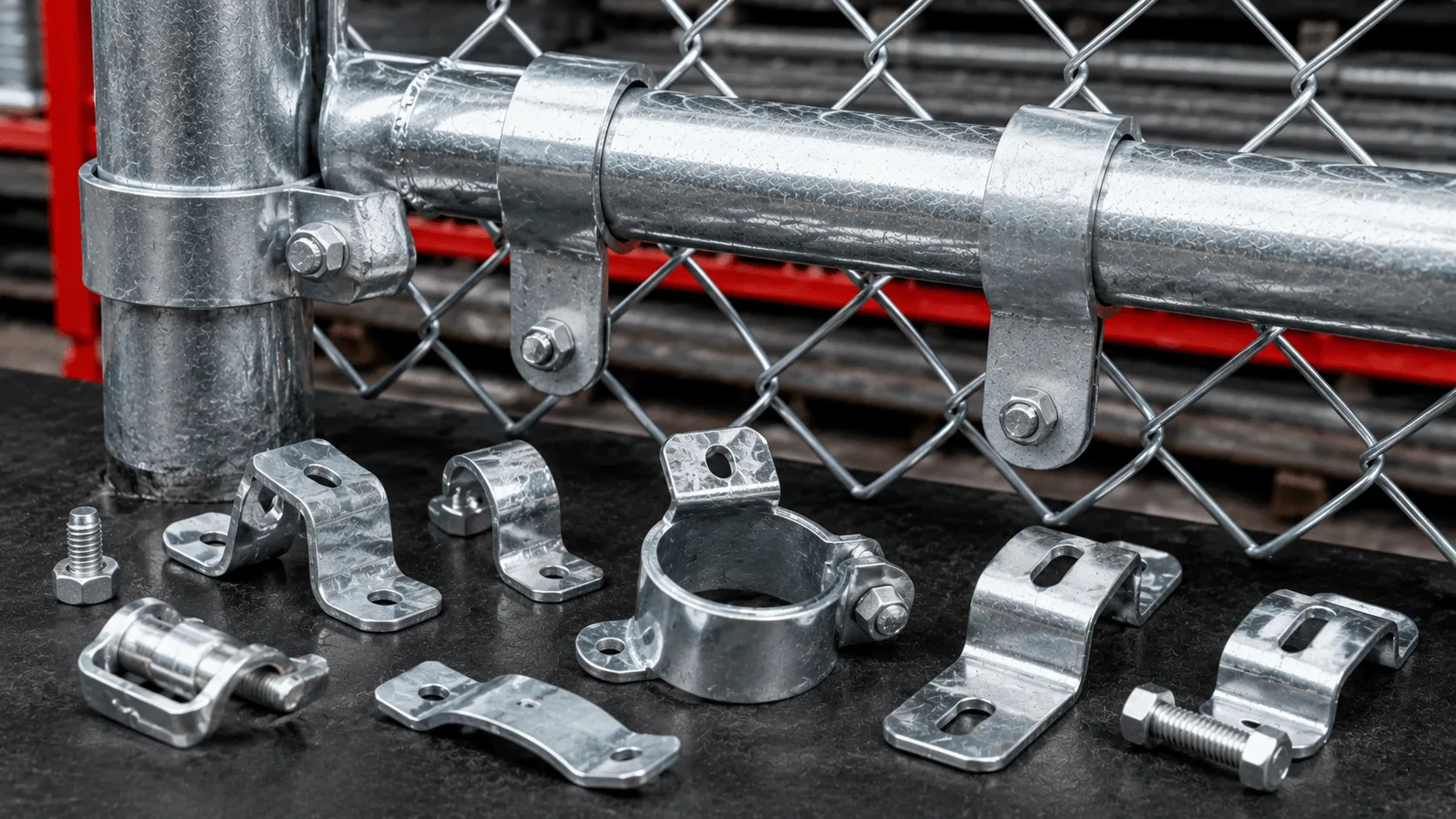
What Are Fence Strap Attachments and How Do They Work?
10 Sept 2026
Learn what fence strap attachments are, how they work and what to consider when choosing attachments for fencing pipe and framework.
 Fittings
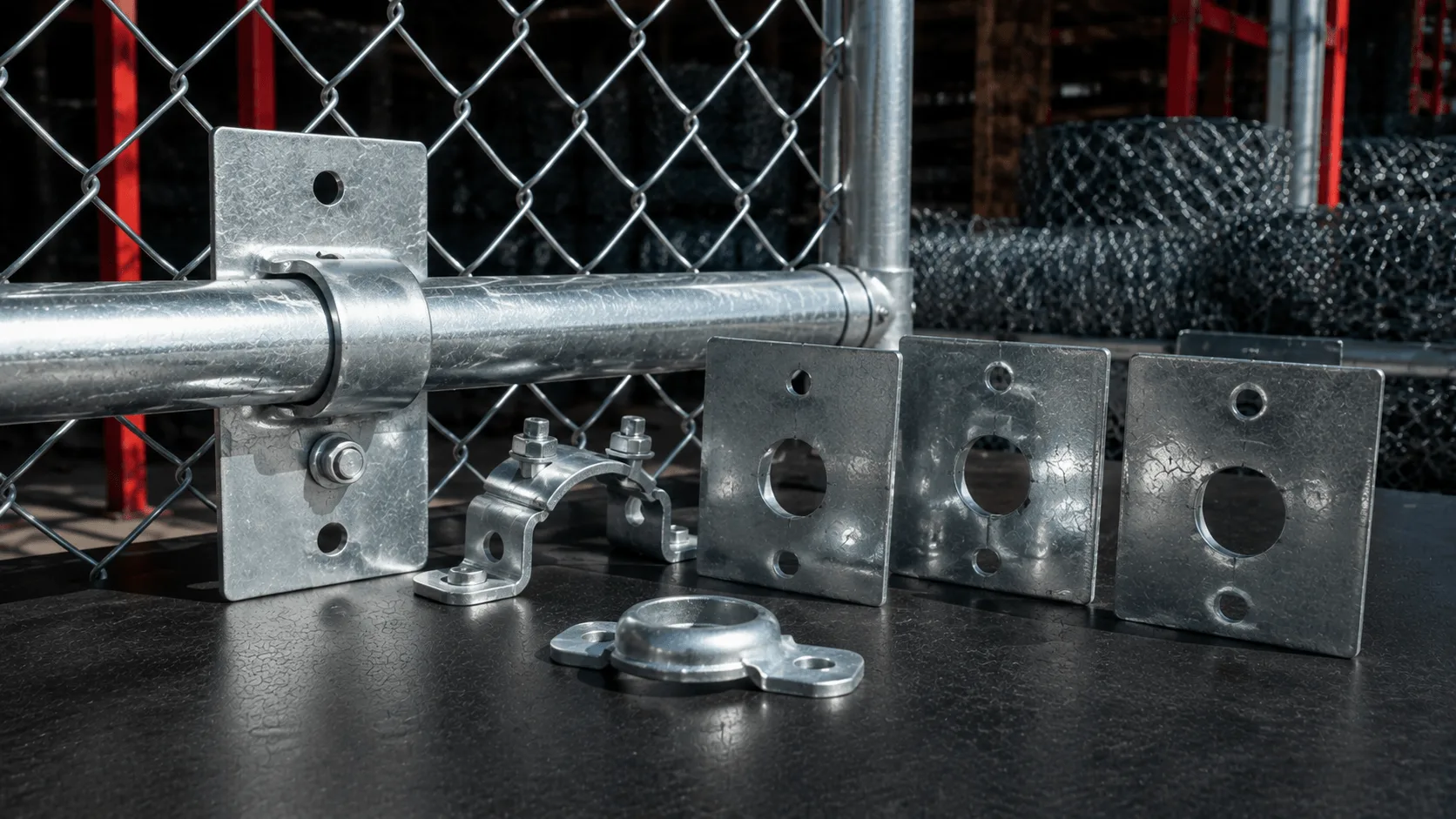
What Are Fence Back Plates and When Should You Use Them?
9 Sept 2026
Learn what fence back plates are, when to use them and how to choose the right size and finish for fencing pipe connections.
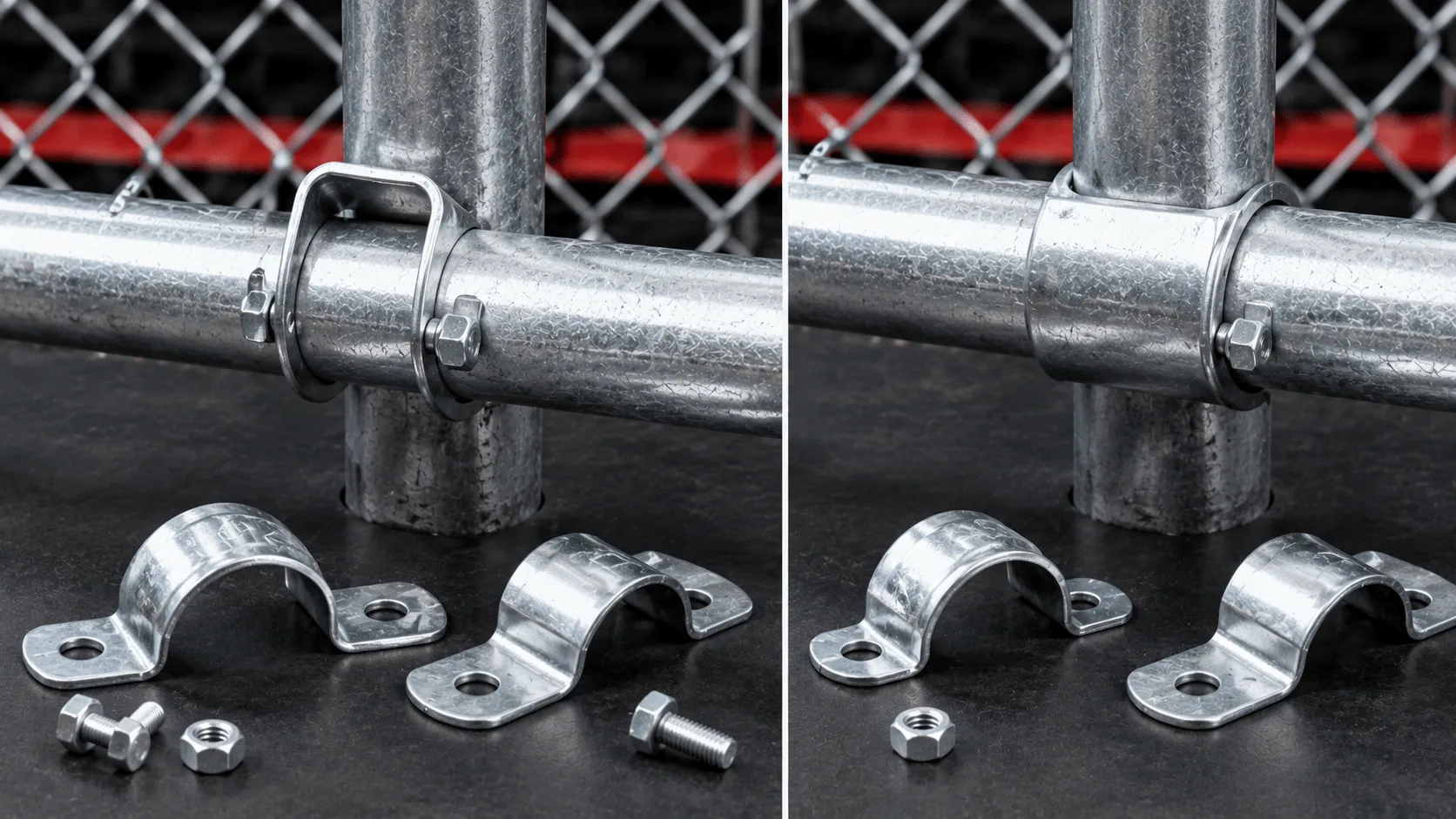 Product Comparison
Loose Fit vs Tight Fit Pipe Straps: What's the Difference?
8 Sept 2026
Compare loose fit vs tight fit pipe straps, including sizing, finishes and key factors to check when choosing straps for fencing pipe.
Tell us about the fence.
One business day. That's how fast we come back with pricing once we have your quantity, finish and postcode.
Buying regularly? Apply for a credit account