
How to Choose Tie Wire for Chain Link Fencing Systems
Learn how to choose tie wire for chain link fencing with expert tips on materials, durability, and long-lasting performance.
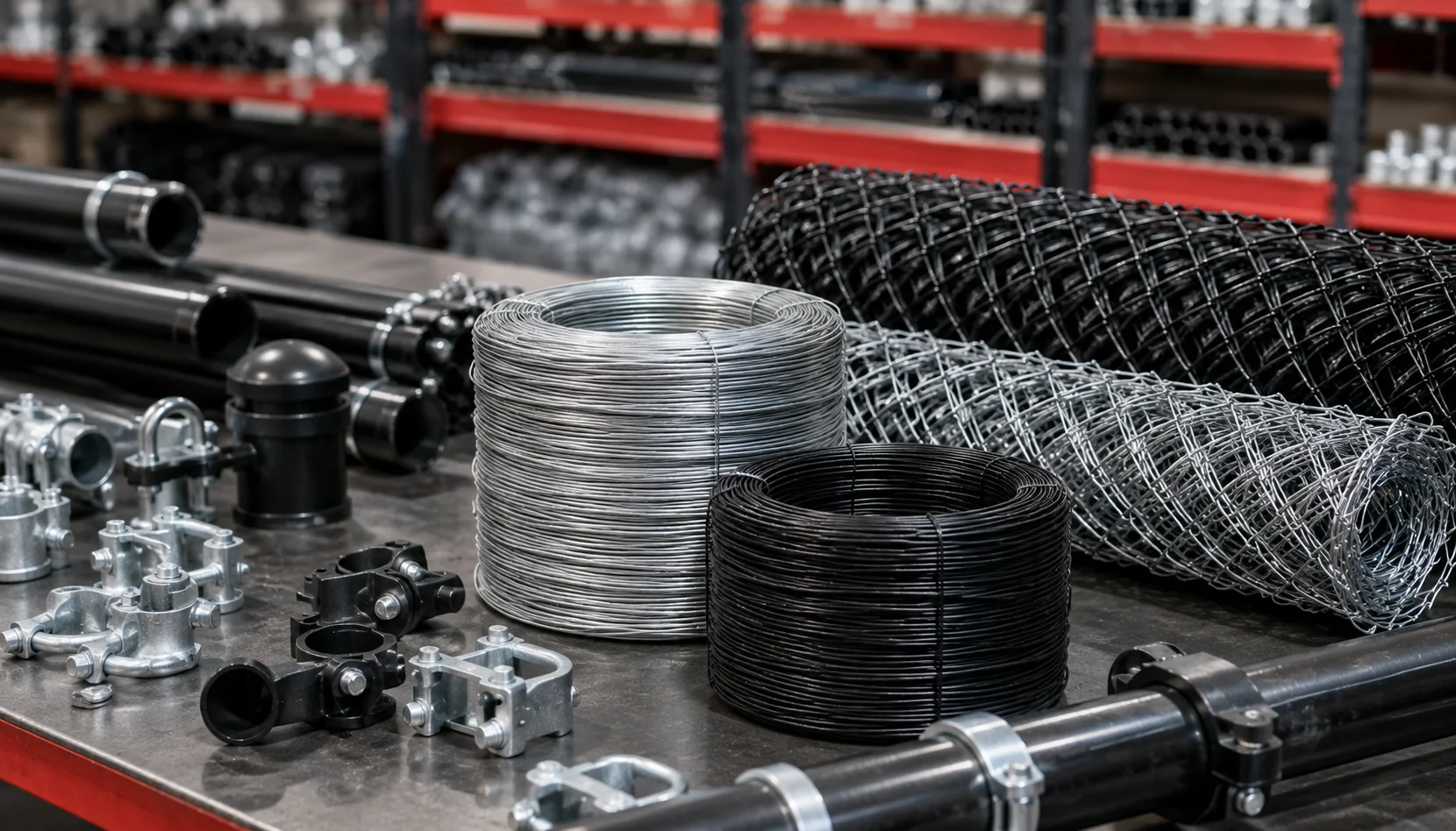
When building a chain link fence, it's easy to focus on the mesh and fence posts while overlooking one of the most important components—tie wire. Although it's a relatively small part of the system, tie wire plays a vital role in securing the mesh to the framework, maintaining the fence's structural integrity, and ensuring long-term performance.
If you're looking to choose tie wire for chain link fencing, selecting the right type is essential. The correct tie wire helps keep the mesh securely fastened, reduces movement over time, and improves the overall durability of the fencing system.
Choosing a trusted supplier like Supaguard Fencing ensures you have access to high-quality fencing products designed for Australian conditions. From wire and chain link mesh to fencing accessories, sourcing compatible components from one supplier helps create a stronger, longer-lasting fence.
TLDR – Quick Guide
When you choose tie wire for chain link fencing, remember to:
- Select corrosion-resistant wire.
- Match the wire to your chain link mesh.
- Choose the correct wire gauge.
- Use quality fencing accessories.
- Buy compatible products from one trusted supplier.
- Consider long-term durability over upfront cost.
Detailed Breakdown
Understand the Purpose of Tie Wire
Tie wire is used to securely attach chain link mesh to fence posts, rails, and tension wires. While it may seem like a minor component, it plays a major role in preventing movement and maintaining the fence's structural stability.
If the wrong type of tie wire is used, the mesh can loosen over time, reducing the fence's effectiveness and increasing maintenance requirements. That's why it's important to choose tie wire for chain link fencing that suits your specific application.
Explore the range of quality Wire available for commercial, industrial, and security fencing projects.
Choose Corrosion-Resistant Materials
Since tie wire is constantly exposed to the elements, corrosion resistance should be a top priority.
Galvanised tie wire is one of the most common choices because it provides excellent protection against rust while maintaining strength over time. Depending on your environment, coated wire may also offer additional protection in areas exposed to moisture, chemicals, or coastal conditions.
Choosing corrosion-resistant materials helps extend the life of your entire fencing system while reducing future maintenance.
Match the Tie Wire to Your Chain Link Mesh
Not all tie wire is suitable for every fencing application.
The wire should be compatible with the type, gauge, and finish of your Chain Link Mesh to ensure secure attachment and consistent performance.
Using matching materials also creates a more professional finish and reduces the risk of premature wear caused by incompatible components.
Select the Right Wire Gauge
Wire gauge has a direct impact on both strength and ease of installation.
A wire that's too thin may not provide sufficient holding power, while one that's unnecessarily thick can make installation more difficult.
The appropriate gauge depends on several factors, including:
- Fence height
- Mesh size
- Security requirements
- Environmental conditions
- Expected lifespan
If you're unsure which wire gauge is best for your project, an experienced supplier can help you make the right choice.
Don't Forget the Fencing Accessories
Tie wire works alongside other components to create a secure fencing system.
Your installation may also require quality Fencing Accessories such as:
- Tension bars
- Brace bands
- Clips
- Rail ends
- Post caps
- Fasteners
Choosing compatible accessories ensures every part of the fence works together efficiently while improving long-term durability.
Consider the Environment
Australia's diverse climate means environmental conditions should always influence your material selection.
For example:
- Coastal locations require greater corrosion resistance due to salt exposure.
- Industrial environments may expose fencing to chemicals and pollutants.
Rural properties often require materials capable of withstanding changing weather conditions.
Selecting the appropriate tie wire for your location helps maximise performance and minimise maintenance.
Prioritise Quality Over Price
It can be tempting to choose the least expensive wire available, but cheaper products may compromise on material quality or corrosion resistance.
Instead, evaluate products based on:
- Material quality
- Protective coatings
- Durability
- Compatibility
- Long-term performance
Investing in quality tie wire often reduces maintenance costs and extends the lifespan of the fencing system.
Buy from an Experienced Supplier
When you choose tie wire for chain link fencing, purchasing from an experienced supplier gives you confidence that every component has been designed to work together.
With Supaguard Fencing, you can source premium Wire, durable Chain Link Mesh, and reliable Fencing Accessories from one trusted Australian supplier.
If you're unsure which products best suit your project, simply Contact the team for personalised advice and expert recommendations.
Common Mistakes to Avoid
When choosing tie wire, avoid these common mistakes:
- Using wire that isn't compatible with your chain link mesh.
- Choosing the wrong wire gauge.
- Ignoring corrosion resistance.
- Purchasing low-quality wire based solely on price.
- Forgetting complementary fencing accessories.
- Mixing components from multiple suppliers.
Avoiding these mistakes helps improve installation quality while extending the lifespan of your fencing system.
Key Takeaways
Knowing how to choose tie wire for chain link fencing is essential for building a secure, durable, and long-lasting fence. While tie wire may be a small component, it plays a significant role in holding the entire fencing system together.
By selecting corrosion-resistant Wire, pairing it with quality Chain Link Mesh, and using compatible Fencing Accessories from Supaguard Fencing, you'll create a fencing system that delivers reliable performance for years to come. Investing in quality materials today can help reduce maintenance costs and provide greater long-term value.
FAQs
1. Why is tie wire important in chain link fencing?
Tie wire secures the chain link mesh to the fence posts and rails, helping maintain the fence's strength and stability. Without properly installed tie wire, the mesh can loosen over time and reduce the fence's effectiveness. Choosing quality tie wire contributes to a longer-lasting fencing system.
2. How do I choose tie wire for chain link fencing?
Start by selecting corrosion-resistant wire that matches the type and gauge of your chain link mesh. Consider your project's environment, security requirements, and expected lifespan when making your choice. Purchasing from an experienced supplier also helps ensure compatibility with other fencing components.
3. What type of tie wire is best for outdoor fencing?
Galvanised tie wire is one of the most popular options because it offers excellent corrosion resistance and long-term durability. In harsher environments, coated wire may provide additional protection against moisture and salt exposure. The right choice depends on your project's location and requirements.
4. Can I use any wire to secure chain link fencing?
No. Using the wrong type or gauge of wire can reduce the fence's strength and increase maintenance requirements. It's important to choose wire specifically designed for chain link fencing systems to ensure proper performance and longevity.
5. Where can I get advice on selecting tie wire?
An experienced fencing supplier can recommend the most suitable tie wire based on your fencing system and project requirements. They can also help ensure your wire is compatible with your mesh and accessories. You can Contact the team at Supaguard Fencing for expert advice and personalised recommendations.
More from the blog.
 Fittings
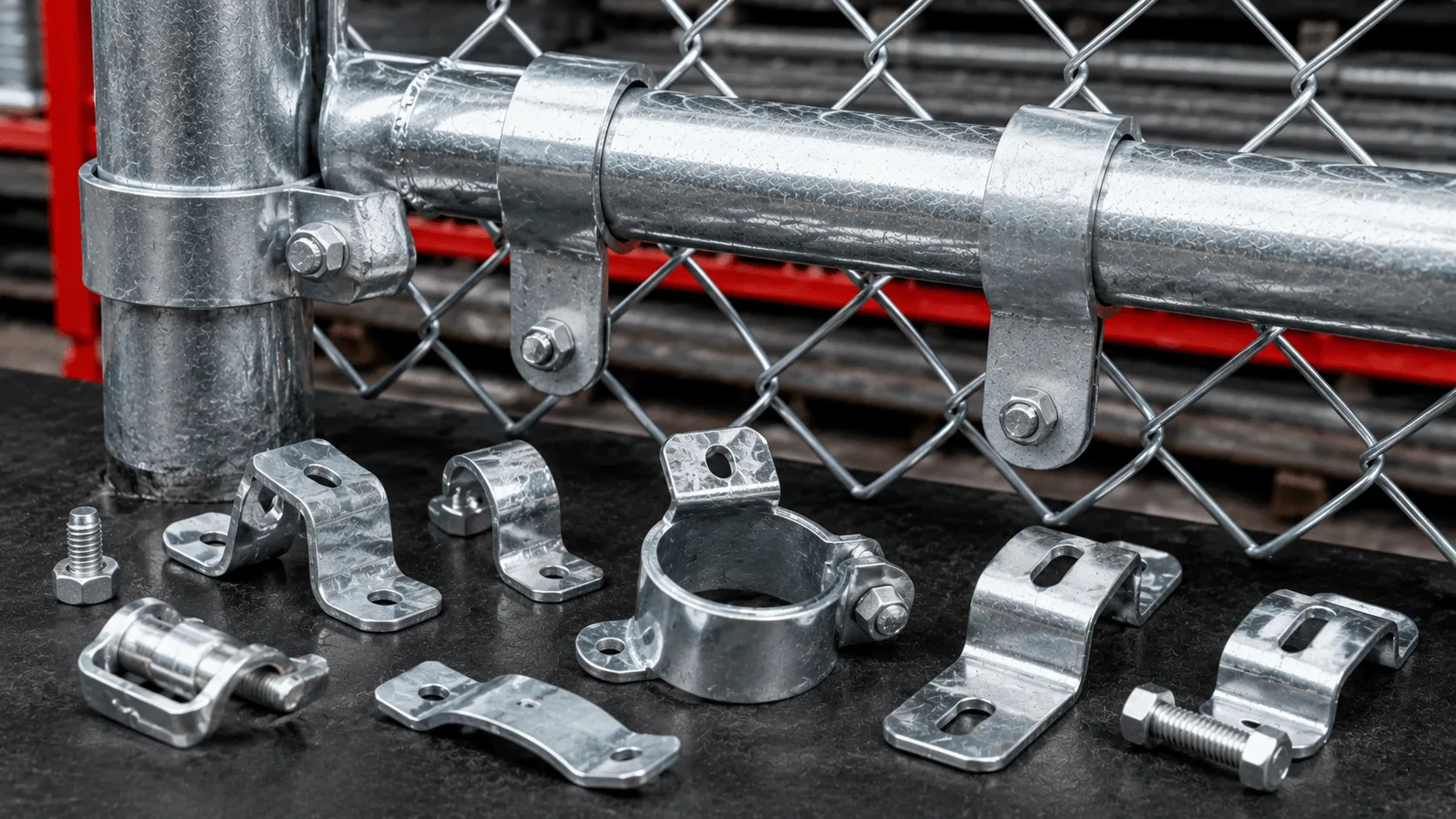
What Are Fence Strap Attachments and How Do They Work?
10 Sept 2026
Learn what fence strap attachments are, how they work and what to consider when choosing attachments for fencing pipe and framework.
 Fittings
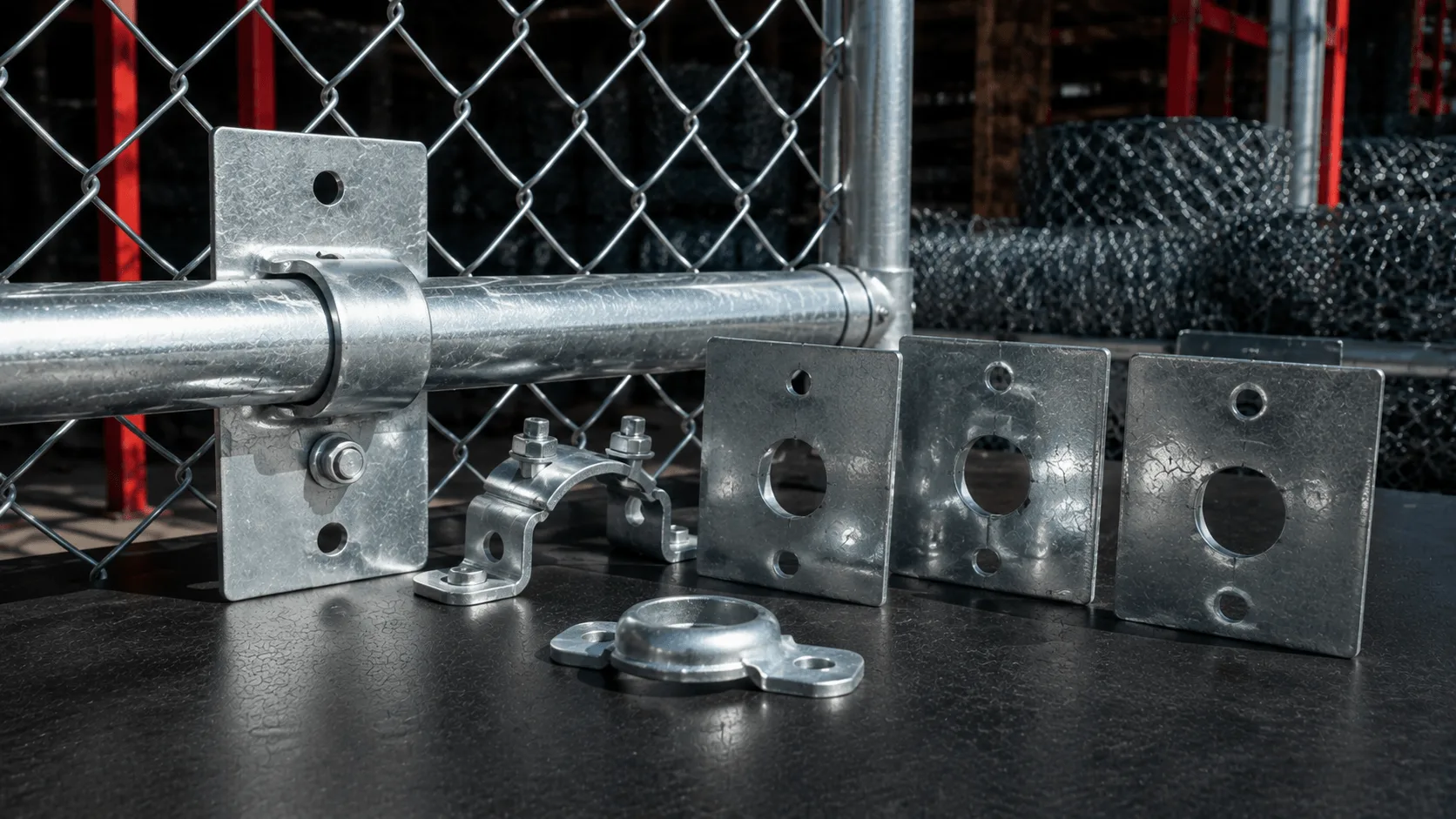
What Are Fence Back Plates and When Should You Use Them?
9 Sept 2026
Learn what fence back plates are, when to use them and how to choose the right size and finish for fencing pipe connections.
 Product Comparison
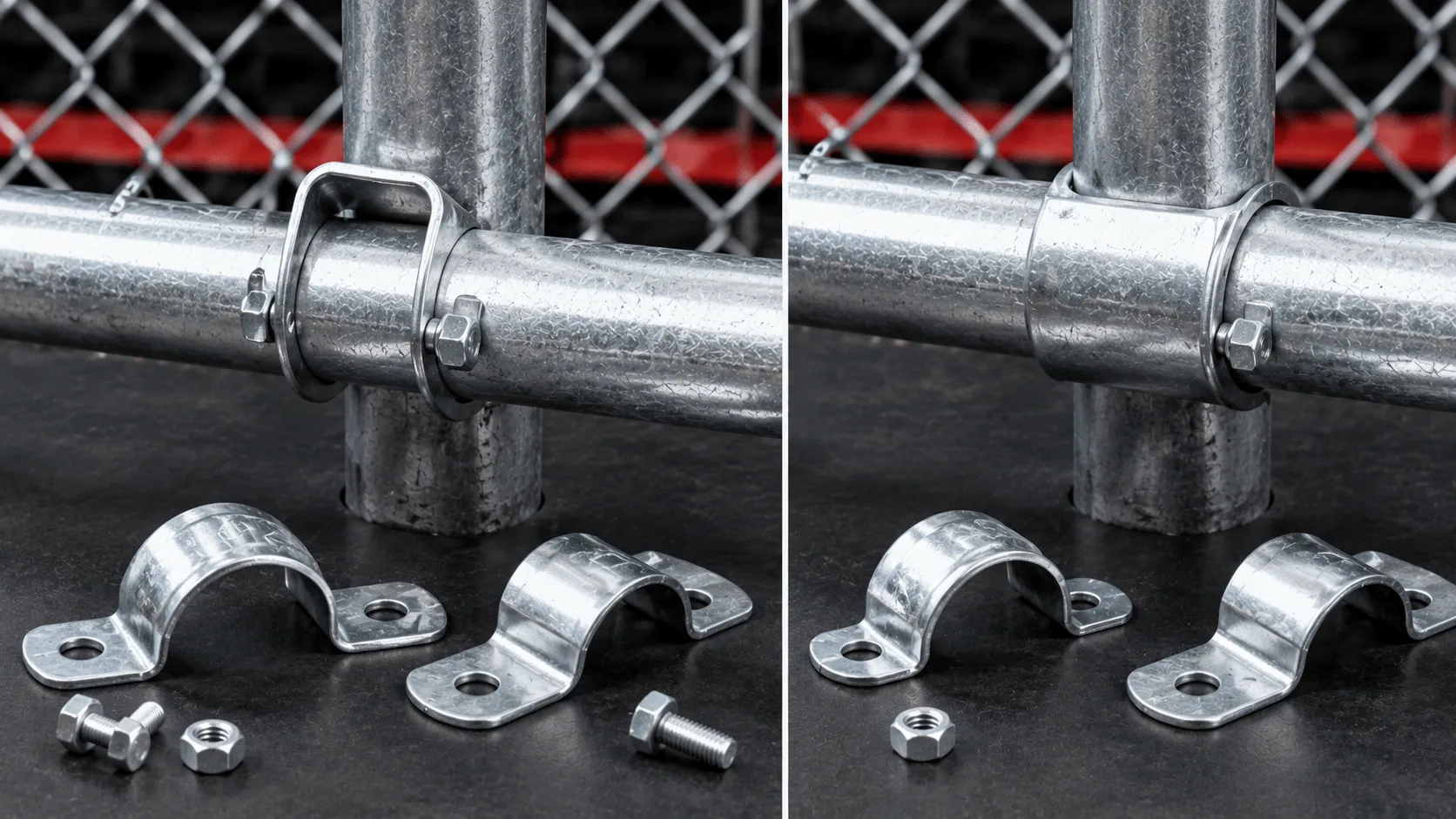
Loose Fit vs Tight Fit Pipe Straps: What's the Difference?
8 Sept 2026
Compare loose fit vs tight fit pipe straps, including sizing, finishes and key factors to check when choosing straps for fencing pipe.
Tell us about the fence.
One business day. That's how fast we come back with pricing once we have your quantity, finish and postcode.
Buying regularly? Apply for a credit account