
Choosing Fencing Materials for Coastal Environments
Discover the best coastal fencing materials to resist corrosion, improve durability, and extend fence lifespan in coastal environments.
Introduction
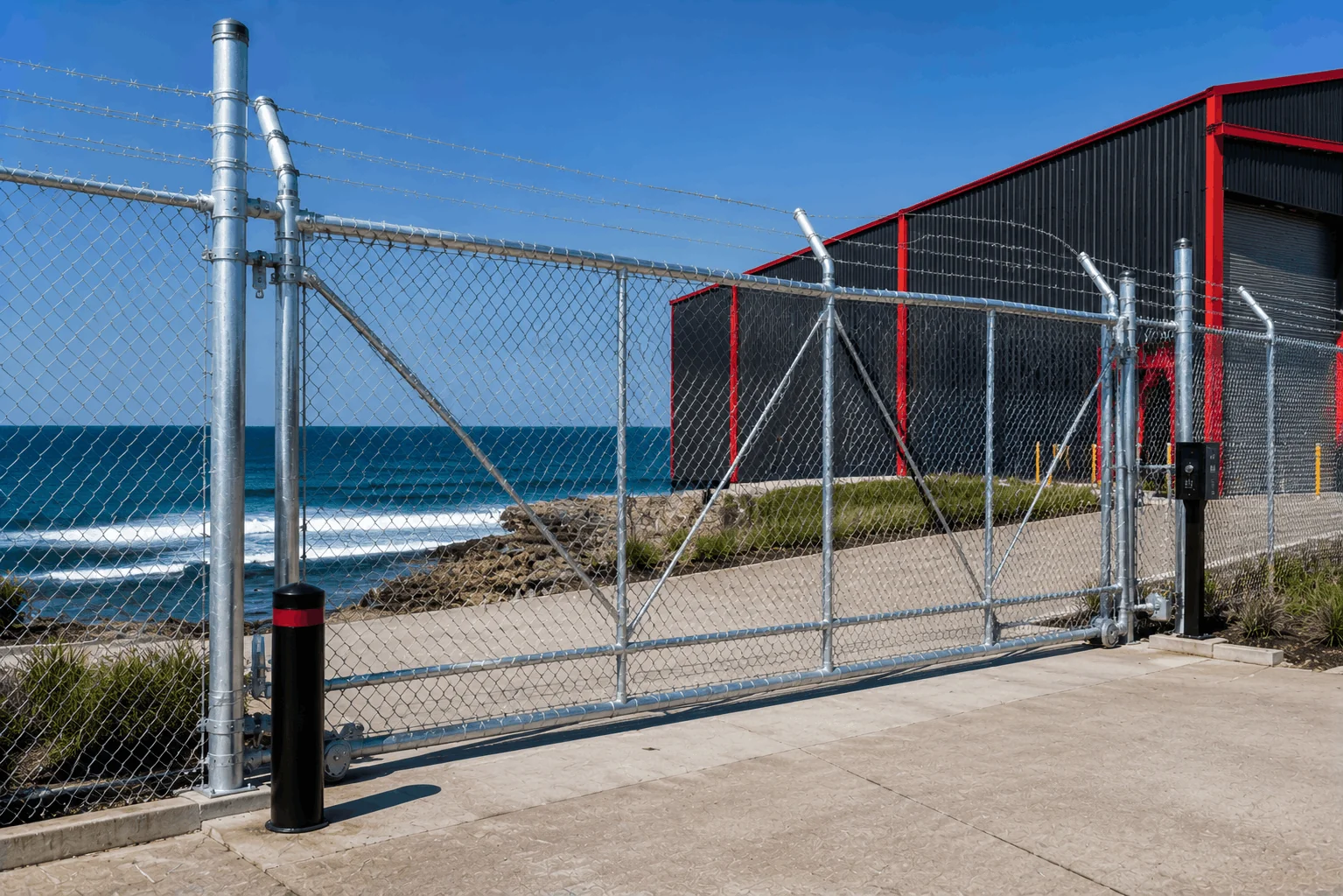
Installing fencing in coastal areas presents unique challenges that are not always encountered in inland locations. Constant exposure to salt-laden air, moisture, strong winds, and changing weather conditions can accelerate corrosion and shorten the lifespan of fencing systems if the wrong materials are used.
This is why selecting the right coastal fencing materials is one of the most important decisions for property owners, developers, contractors, and facility managers operating near the coast. The materials chosen for a fencing project directly influence durability, maintenance requirements, appearance, and long-term performance.
At Supaguard Fencing, we understand that coastal fencing must be designed to withstand some of Australia's harshest environmental conditions. Choosing quality materials from the outset can help maximise lifespan while reducing maintenance and replacement costs over time.
TLDR Guide
Choosing the right coastal fencing materials helps protect fencing systems from corrosion, environmental wear, and premature deterioration.
The most important materials for coastal fencing projects include:
- Chain Link Mesh
- Wire Products
- Fittings
- Corrosion-resistant framework components
- Protective coatings and finishes
Selecting durable materials designed for coastal conditions helps improve fence performance, reduce maintenance, and support long-term reliability.
Detailed Breakdown
Why Coastal Environments Are Tough on Fencing
Coastal areas expose fencing systems to conditions that can significantly accelerate material deterioration.
Some of the biggest challenges include:
- Salt spray
- High humidity
- Coastal winds
- Moisture exposure
- Temperature fluctuations
- Airborne contaminants
These environmental factors can increase corrosion rates and place additional stress on fencing components.
Without appropriate coastal fencing materials, fences may experience:
- Rust formation
- Surface degradation
- Structural weakening
- Increased maintenance requirements
- Reduced lifespan
Understanding these risks is the first step toward selecting the right materials.
What Makes Good Coastal Fencing Materials?
Not all fencing materials perform equally in coastal environments.
Effective coastal fencing materials should provide:
- Corrosion resistance
- Structural durability
- Long-term reliability
- Low maintenance requirements
- Suitability for marine environments
Materials specifically selected for harsh conditions generally outperform standard products when exposed to salt air and moisture over extended periods.
This makes material selection particularly important for coastal fencing projects.
Chain Link Mesh Remains a Popular Coastal Fencing Solution
One of the most widely used Chain Link Mesh products for coastal applications is chain link fencing.
Chain link mesh offers several advantages that make it suitable for coastal environments:
- Strong perimeter protection
- Excellent visibility
- Flexible installation options
- Long-term durability
- Cost-effective coverage
When manufactured using appropriate protective finishes and coatings, chain link mesh can provide reliable performance even in challenging coastal conditions.
Its open design also allows wind to pass through more easily than solid fencing systems, reducing wind loading and structural stress.
Why Wire Products Matter in Coastal Areas
Many people focus on fence mesh and posts but overlook the importance of supporting wire products.
Wire products play a critical role in maintaining the strength and stability of chainwire fencing systems.
These products may include:
- Line wire
- Helicoil wire
- Support wire
- Tensioning wire
- In coastal environments, corrosion-resistant wire products help:
- Maintain fence tension
- Improve structural integrity
- Support long-term durability
- Reduce maintenance requirements
Because wire components are exposed to the same environmental conditions as the rest of the fence, selecting quality products is essential.
The Importance of Corrosion Resistance
Corrosion is often the biggest threat to fencing systems installed near the coast.
Salt particles carried by wind and moisture can accelerate the deterioration of exposed metal surfaces.
This makes corrosion resistance one of the most important considerations when choosing coastal fencing materials.
Benefits of corrosion-resistant materials include:
- Longer lifespan
- Reduced maintenance
- Improved appearance
- Better structural performance
- Lower lifecycle costs
Investing in corrosion-resistant materials often delivers significant long-term value.
Why Fittings Are Critical for Coastal Fencing
Even the strongest fence mesh and wire products rely on secure structural connections.
Fittings help connect and support fence components throughout the system.
Examples include:
- Corner fittings
- Tee fittings
- Cross fittings
- Rail clamps
- Post clamps
- Connectors
In coastal environments, fittings are exposed to the same corrosive conditions as other fence components.
Selecting quality fittings helps:
- Maintain structural integrity
- Reduce corrosion-related failures
- Improve fence stability
- Support long-term performance
Because fittings connect the entire framework together, their durability can significantly influence the lifespan of the fence.
Wind Resistance Is Another Important Consideration
Coastal locations often experience stronger winds than inland environments.
Fencing materials must be capable of handling:
- Continuous wind exposure
- Seasonal weather events
- Storm conditions
- Changing environmental loads
Chain link fencing performs particularly well in windy environments because its open mesh design reduces wind resistance.
This can help minimise stress on posts, wire products, and fittings while improving overall fence performance.
Common Coastal Fencing Applications
Quality coastal fencing materials are used across a wide range of projects.
These include:
- Waterfront Commercial Properties
- Protecting business premises while maintaining visibility.
- Coastal Warehouses
- Securing inventory and operational facilities.
- Sporting Facilities
- Providing durable perimeter protection near coastal areas.
- Infrastructure Projects
- Supporting long-term performance in demanding environments.
- Educational Facilities
- Creating secure and durable boundaries for schools and community facilities.
Each application requires materials capable of delivering reliable performance despite ongoing environmental exposure.
The Cost of Choosing the Wrong Materials
Using materials not suited to coastal conditions can create several challenges.
Potential consequences include:
- Faster corrosion
- Increased maintenance costs
- Premature replacement
- Reduced structural integrity
- Higher lifecycle expenses
While lower-cost materials may initially appear attractive, they often result in greater long-term costs when exposed to harsh coastal environments.
Selecting suitable coastal fencing materials from the beginning can help avoid these issues.
Long-Term Maintenance Considerations
Even high-quality coastal fencing materials benefit from regular inspections and maintenance.
Routine maintenance may include:
- Cleaning salt deposits
- Inspecting fittings
- Checking wire tension
- Monitoring corrosion levels
- Repairing minor damage
A proactive maintenance approach can help maximise fence lifespan and maintain performance over time.
Combined with quality materials, regular maintenance provides the best opportunity for long-term success.
Choosing the Right Coastal Fencing Solution
Every coastal property has unique requirements.
Factors influencing material selection include:
- Distance from the Coast
- Properties closer to the ocean generally experience greater salt exposure.
- Security Requirements
- Different applications require different levels of perimeter protection.
- Environmental Conditions
- Wind, humidity, and weather exposure all influence material performance.
- Maintenance Expectations
- Long-term maintenance objectives should be considered during project planning.
Careful evaluation of these factors helps ensure the fencing system delivers reliable results.
Getting Expert Advice for Coastal Fencing Projects
Choosing coastal fencing materials requires more than simply selecting a fence style.
The right combination of chain link mesh, wire products, fittings, and structural components can significantly improve fence durability and performance in coastal environments.
For expert advice on selecting materials for your next fencing project, visit our Contact Page and speak with the team at Supaguard Fencing.
Key Takeaways
Selecting the right coastal fencing materials is essential for achieving long-term durability and performance in harsh coastal environments. Salt air, moisture, wind, and changing weather conditions can accelerate deterioration if unsuitable materials are used.
Chain link mesh, wire products, and quality fittings all play important roles in creating a fencing system capable of resisting corrosion and maintaining structural integrity. By choosing materials designed for coastal conditions, property owners can reduce maintenance requirements and maximise fence lifespan.
Key points to remember include:
- Coastal environments increase corrosion risks.
- Chain link mesh offers durability and excellent wind performance.
- Wire products help maintain fence strength and stability.
- Quality fittings support structural integrity.
- Corrosion resistance should be a top priority.
- Proper material selection improves lifespan and reliability.
- Regular maintenance helps maximise long-term performance.
With the right coastal fencing materials, fencing systems can continue delivering reliable security and protection for many years despite challenging environmental conditions.
FAQs
What are the best coastal fencing materials?
The best coastal fencing materials are those designed to resist corrosion and withstand ongoing environmental exposure. Chain link mesh, quality wire products, and durable fittings are commonly used in coastal fencing systems. Material selection should always consider local environmental conditions.
Why is corrosion resistance important for coastal fencing?
Coastal environments contain salt-laden air and moisture that can accelerate metal deterioration. Corrosion-resistant materials help protect structural components and extend fence lifespan. They also reduce maintenance requirements and long-term ownership costs.
Is chain link mesh suitable for coastal areas?
Yes, chain link mesh is often used in coastal environments because of its durability and open design. The mesh allows wind to pass through, reducing structural stress. When properly specified, it can provide long-term performance in coastal conditions.
Do wire products affect the lifespan of coastal fencing?
Yes, wire products play an important role in maintaining fence tension and structural integrity. Corrosion-resistant wire helps improve durability and reduce maintenance requirements. Quality wire products contribute significantly to long-term fence performance.
Why are fittings important in coastal fencing systems?
Fittings connect the structural components of the fence and help maintain stability. If fittings deteriorate due to corrosion, the overall fence performance can be affected. Using quality fittings helps improve reliability and extend the lifespan of the fencing system.
More from the blog.
 Fittings
What Are Fence Strap Attachments and How Do They Work?
10 Sept 2026
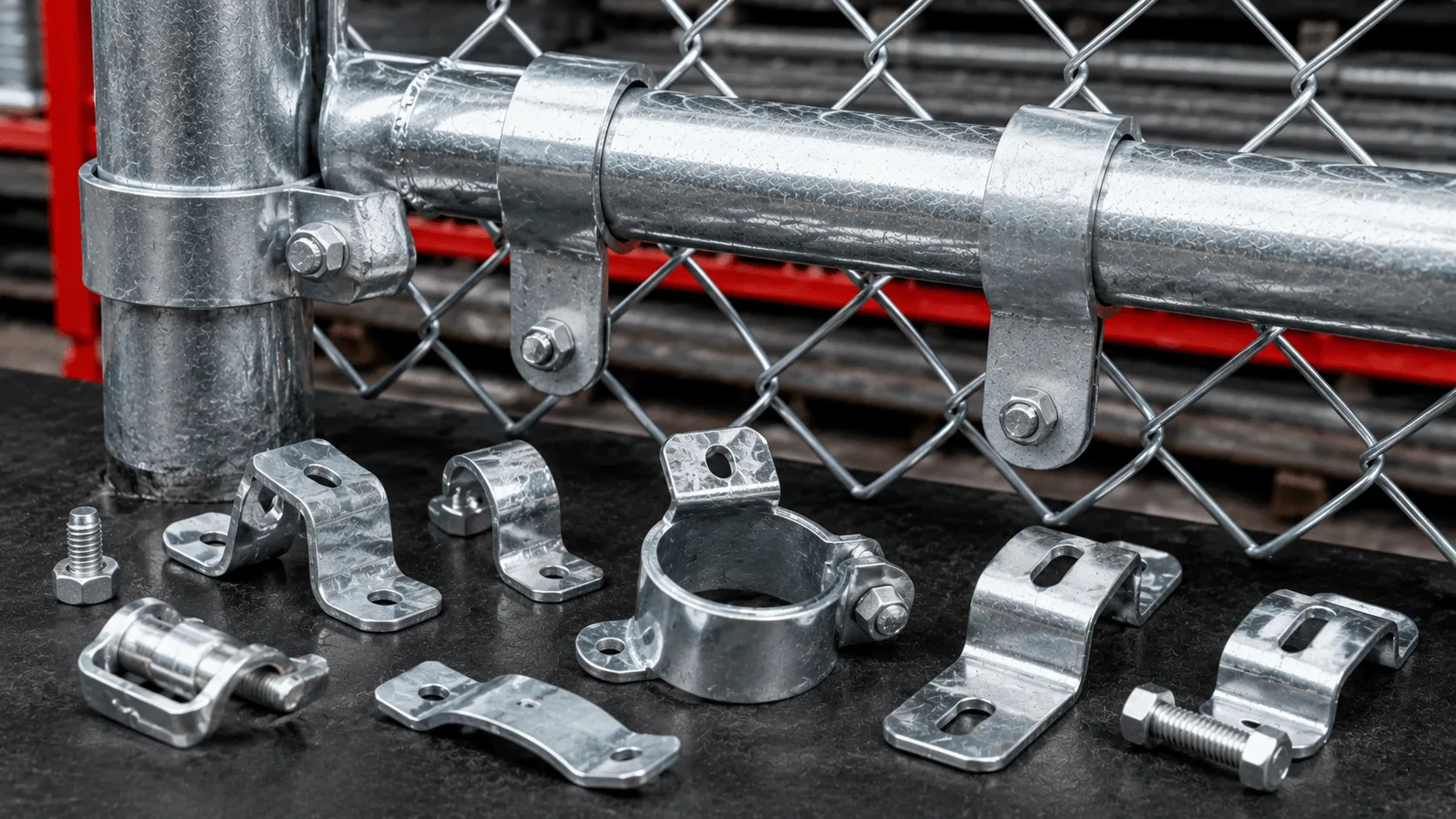
Learn what fence strap attachments are, how they work and what to consider when choosing attachments for fencing pipe and framework.
 Fittings
What Are Fence Back Plates and When Should You Use Them?
9 Sept 2026
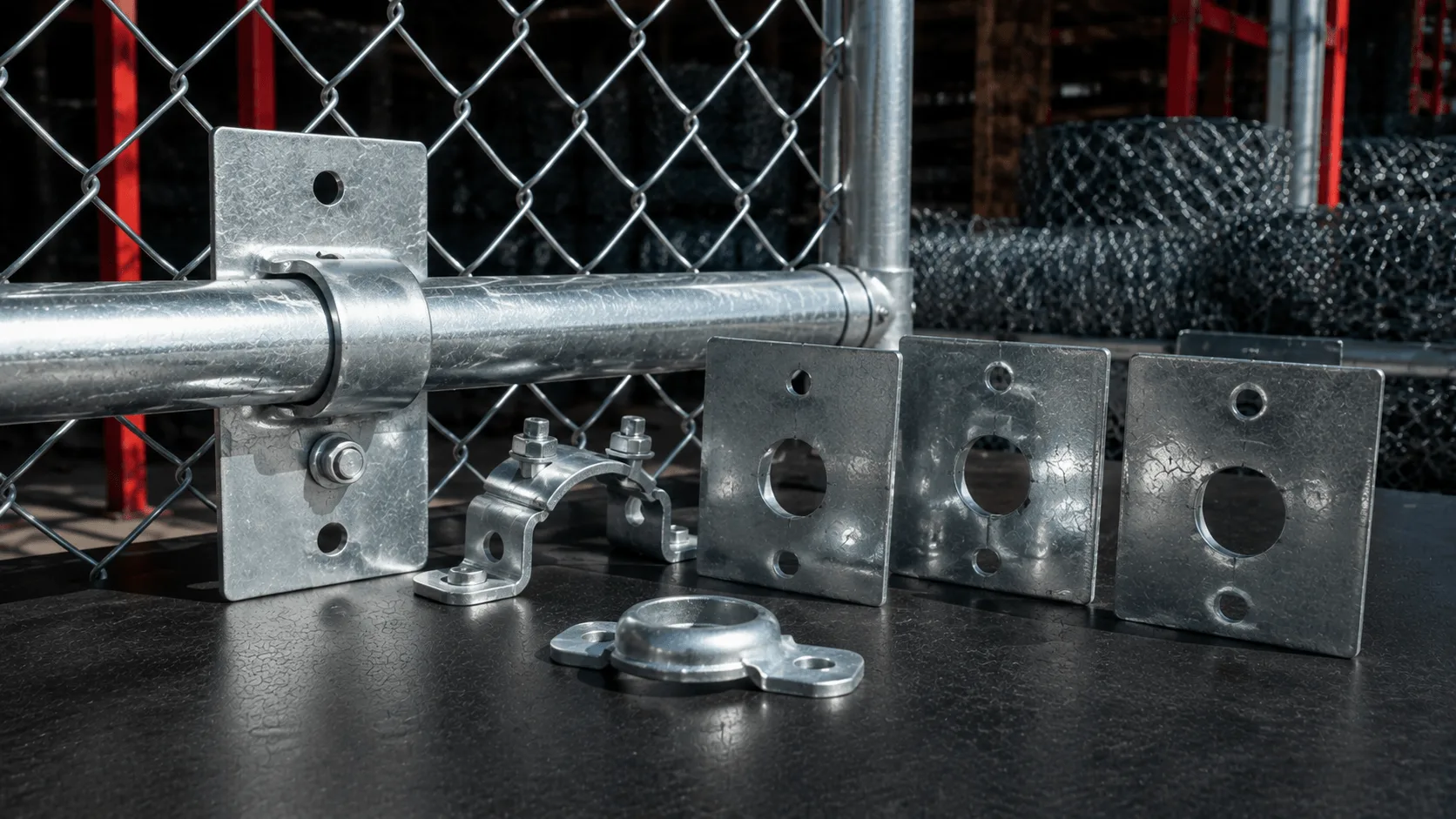
Learn what fence back plates are, when to use them and how to choose the right size and finish for fencing pipe connections.
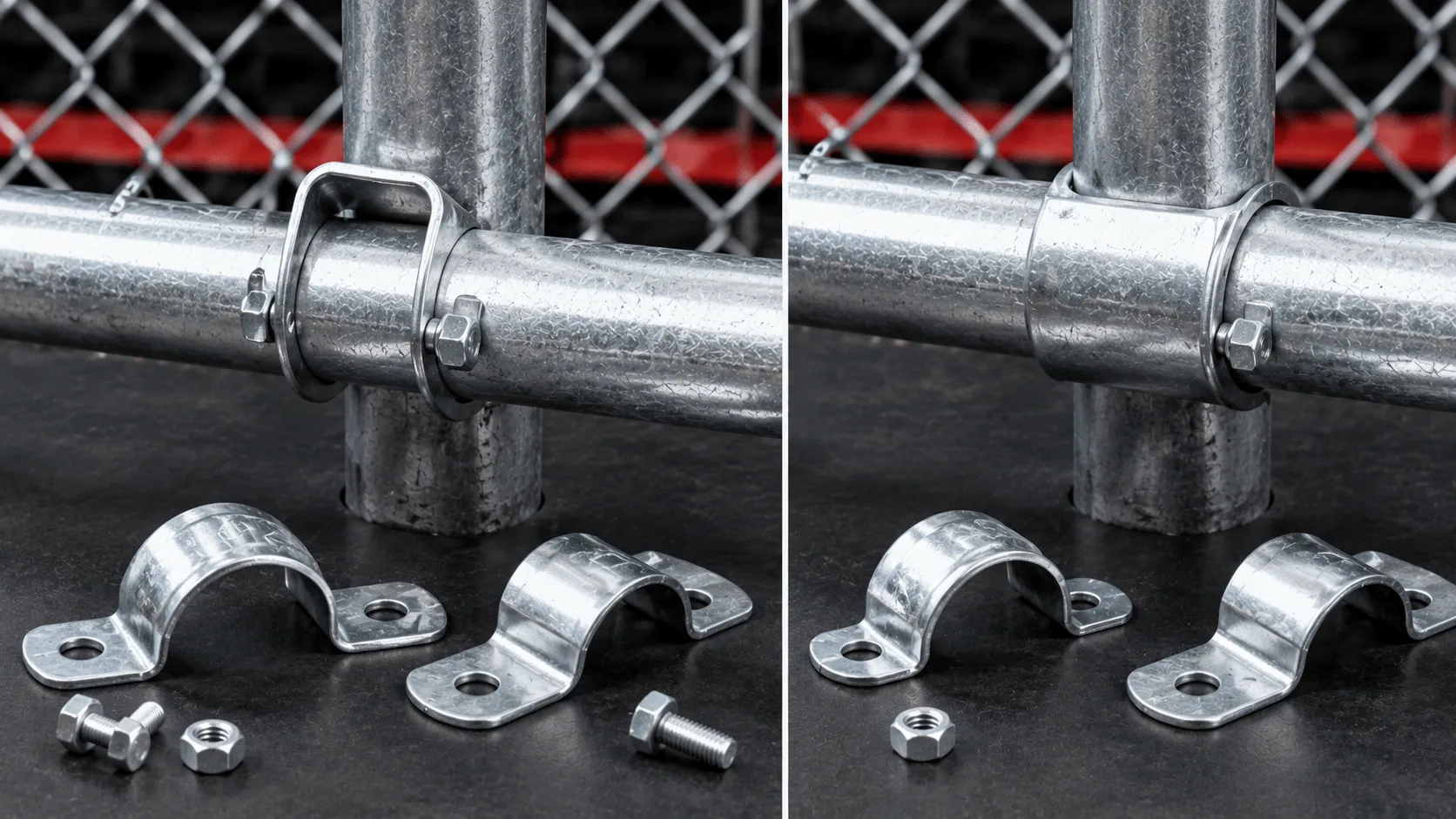 Product Comparison
Loose Fit vs Tight Fit Pipe Straps: What's the Difference?
8 Sept 2026
Compare loose fit vs tight fit pipe straps, including sizing, finishes and key factors to check when choosing straps for fencing pipe.
Tell us about the fence.
One business day. That's how fast we come back with pricing once we have your quantity, finish and postcode.
Buying regularly? Apply for a credit account