Corner, Cross and Tee Fittings Explained for Fence Systems
Learn how corner fittings cross fittings tee fittings improve chainwire fence strength, stability, and long-term performance.
Introduction
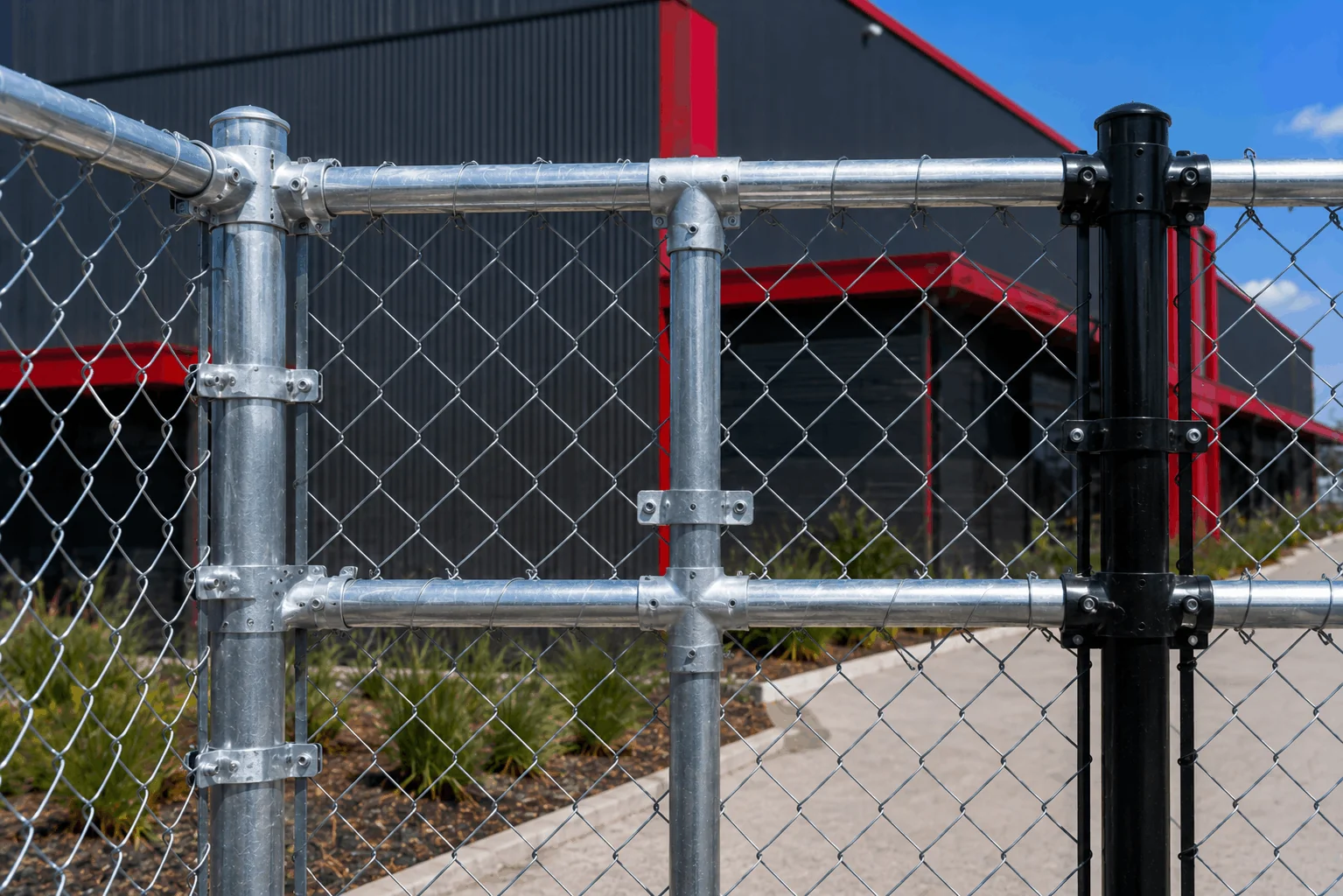
When building a durable and reliable chainwire fencing system, most people focus on the mesh, posts, and gates. However, the components that connect everything together often have the biggest impact on structural integrity. This is where corner fittings, cross fittings and tee fittings play a critical role.
These fittings form the framework that allows fencing systems to remain stable, secure, and capable of withstanding everyday environmental pressures. Whether you're installing perimeter fencing for commercial, industrial, sporting, or infrastructure projects, selecting the right fittings is essential for long-term performance.
At Supaguard Fencing, we understand that every component contributes to the overall strength of a fencing system. While they may appear small compared to posts and mesh, corner fittings, cross fittings and tee fittings help ensure the entire structure works as intended.
TLDR Guide
Understanding corner fittings, cross fittings and tee fittings is important when designing or maintaining a chainwire fence system. These fittings create secure connections between fence posts, rails, and framework components, helping improve structural stability and durability.
The primary functions of these fittings include:
- Creating strong framework connections
- Supporting fence stability
- Improving load distribution
- Strengthening fence corners and intersections
- Enhancing long-term durability
- Supporting professional fence installation
Choosing quality fittings helps maximise the lifespan and performance of the entire fencing system while reducing maintenance requirements over time.
Detailed Breakdown
Why Fence Fittings Are Essential
Every chainwire fencing system relies on multiple interconnected components. While fence posts and rails provide the primary framework, fittings are what hold these components together.
Without properly selected fittings, fencing systems may experience:
- Structural weakness
- Misalignment
- Increased movement
- Premature wear
- Reduced lifespan
Quality fittings ensure that forces are distributed correctly throughout the fence structure, helping maintain stability even under demanding conditions.
This is why professional fencing projects place significant importance on selecting the appropriate fitting for each connection point.
What Are Corner Fittings?
Corner fittings are used where fence lines change direction.
Whenever a fence turns at an angle, additional structural support is required to manage the loads generated at that point. Corner fittings provide the connection needed to securely join rails and posts while maintaining alignment.
Corner fittings are commonly used for:
- Property boundaries
- Commercial fencing layouts
- Industrial perimeters
- Sporting facilities
- Security fencing installations
Because corners often experience higher tension than straight fence runs, properly installed corner fittings help maintain overall fence strength and prevent movement over time.
How Corner Fittings Improve Fence Performance
Corners are naturally one of the most stressed areas within any fencing system.
When pressure is applied to a fence, either through environmental conditions or physical impact, forces often concentrate at directional changes. Corner fittings help distribute these forces more effectively throughout the framework.
Benefits include:
- Improved structural stability
- Reduced movement
- Better load distribution
- Enhanced durability
- Longer service life
This makes corner fittings a critical component for both small and large-scale fencing installations.
What Are Cross Fittings?
Cross fittings are designed to connect horizontal and vertical members where multiple rails intersect.
They create secure junction points that allow framework components to meet while maintaining strength and alignment throughout the structure.
Cross fittings are often used in:
- Large commercial fencing projects
- Industrial compounds
- Infrastructure facilities
- Internal fence divisions
- Reinforced framework sections
By creating strong connections at intersecting points, cross fittings contribute to a more rigid and stable fencing system.
Why Cross Fittings Matter
Large fencing systems often require additional reinforcement beyond basic post-and-rail construction.
Cross fittings help provide this reinforcement by connecting multiple structural members together.
Advantages include:
- Increased framework rigidity
- Improved strength at intersections
- Better resistance to movement
- Enhanced structural support
- Greater long-term reliability
These benefits become particularly important in environments where fencing is exposed to frequent use or challenging weather conditions.
What Are Tee Fittings?
Tee fittings connect one rail into another at a perpendicular angle, creating a "T" shaped connection.
They are commonly used when additional fence sections branch off from a main fence line or when internal divisions are required within a larger fencing layout.
Applications often include:
- Warehouse compounds
- Industrial facilities
- Sporting venues
- Security enclosures
- Commercial property divisions
Tee fittings provide secure connections while maintaining framework consistency throughout the installation.
How Tee Fittings Strengthen Fence Systems
Fence systems frequently require multiple sections that connect to a primary perimeter.
Without proper fittings, these junctions can become weak points within the overall structure.
Tee fittings help:
- Create stable branch connections
- Improve load distribution
- Maintain alignment
- Support framework continuity
- Reduce stress on connection points
As a result, tee fittings contribute significantly to overall fence reliability and performance.
The Relationship Between Fittings and Chain Link Mesh
While fittings provide the structural framework, the fencing system is completed with Chain Link Mesh.
The mesh relies on the surrounding framework for support and tension. If fittings are poorly installed or incorrectly specified, the performance of the mesh may be affected.
When quality fittings are combined with properly installed chain link mesh, property owners benefit from:
- Reliable perimeter security
- Improved durability
- Enhanced visibility
- Lower maintenance requirements
- Long-term value
This is why fittings should always be viewed as an essential part of the overall fencing system rather than a minor accessory.
Selecting the Right Fittings for Your Project
Every fencing project has unique requirements.
Factors that influence fitting selection include:
- Fence height
- Fence length
- Site conditions
- Security objectives
- Framework design
- Environmental exposure
Choosing the correct corner fittings cross fittings and tee fittings helps ensure the finished installation performs reliably for many years.
Working with experienced fencing suppliers can help ensure the most suitable components are selected from the outset.
Why Quality Fittings Deliver Better Long-Term Value
Although fittings represent a relatively small portion of the overall project cost, they can have a significant impact on performance and maintenance requirements.
High-quality fittings help provide:
- Greater structural integrity
- Reduced maintenance costs
- Improved durability
- Better framework performance
- Longer fence lifespan
Investing in quality components during installation often results in lower lifecycle costs and fewer repairs over time.
Getting Expert Advice for Fence Components
Selecting the right fittings is an important step in creating a durable fencing system.
Whether you are planning a commercial development, industrial facility, sporting venue, or infrastructure project, choosing the correct components can help maximize performance and longevity.
For assistance selecting the right fittings and fencing products, visit our Contact Page and speak with the team at Supaguard Fencing.
Key Takeaways
Corner fittings, cross fittings and tee fittings play a vital role in supporting the structural integrity of chainwire fence systems. Although they may be less visible than posts and mesh, these components help create strong, reliable connections throughout the fence framework.
By selecting quality fittings that are appropriate for the project requirements, property owners can improve fence stability, durability, and long-term performance.
Key points to remember include:
- Corner fittings support directional changes in fence lines.
- Cross fittings strengthen framework intersections.
- Tee fittings create secure branch connections.
- Quality fittings improve load distribution and stability.
- Proper fittings contribute to longer fence lifespan.
- Chain link mesh performs best when supported by a strong framework.
- Professional component selection helps maximise long-term value.
When all components work together correctly, fencing systems are better equipped to provide reliable security and performance for years to come.
FAQs
What are corner fittings used for in chainwire fencing?
Corner fittings are used where fence lines change direction and require additional structural support. They help connect rails and posts securely while maintaining alignment throughout the fencing system. Properly installed corner fittings improve stability and help distribute loads more effectively.
Why are cross fittings important in fence systems?
Cross fittings connect intersecting framework components and help strengthen the overall structure. They create secure junctions that improve rigidity and reduce movement throughout the fence. This added reinforcement helps support long-term durability and performance.
When should tee fittings be used?
Tee fittings are commonly used when a fence section branches off from a main fence line. They create stable connections that maintain framework continuity and structural integrity. Tee fittings are often found in commercial, industrial, and security fencing applications.
Do fittings affect the lifespan of a chainwire fence?
Yes, fittings play a major role in determining the overall durability of a fencing system. High-quality fittings help maintain alignment, reduce stress on structural components, and improve load distribution. This contributes to longer fence life and lower maintenance requirements.
How do I choose the right corner fittings cross fittings tee fittings?
The correct fitting depends on the fence layout, framework design, site conditions, and performance requirements. Different connection points require different fitting types to ensure maximum stability and strength. Consulting experienced fencing professionals can help ensure the most suitable fittings are selected for the project.
More from the blog.
 Fittings
What Are Fence Strap Attachments and How Do They Work?
10 Sept 2026
Learn what fence strap attachments are, how they work and what to consider when choosing attachments for fencing pipe and framework.
 Fittings
What Are Fence Back Plates and When Should You Use Them?
9 Sept 2026
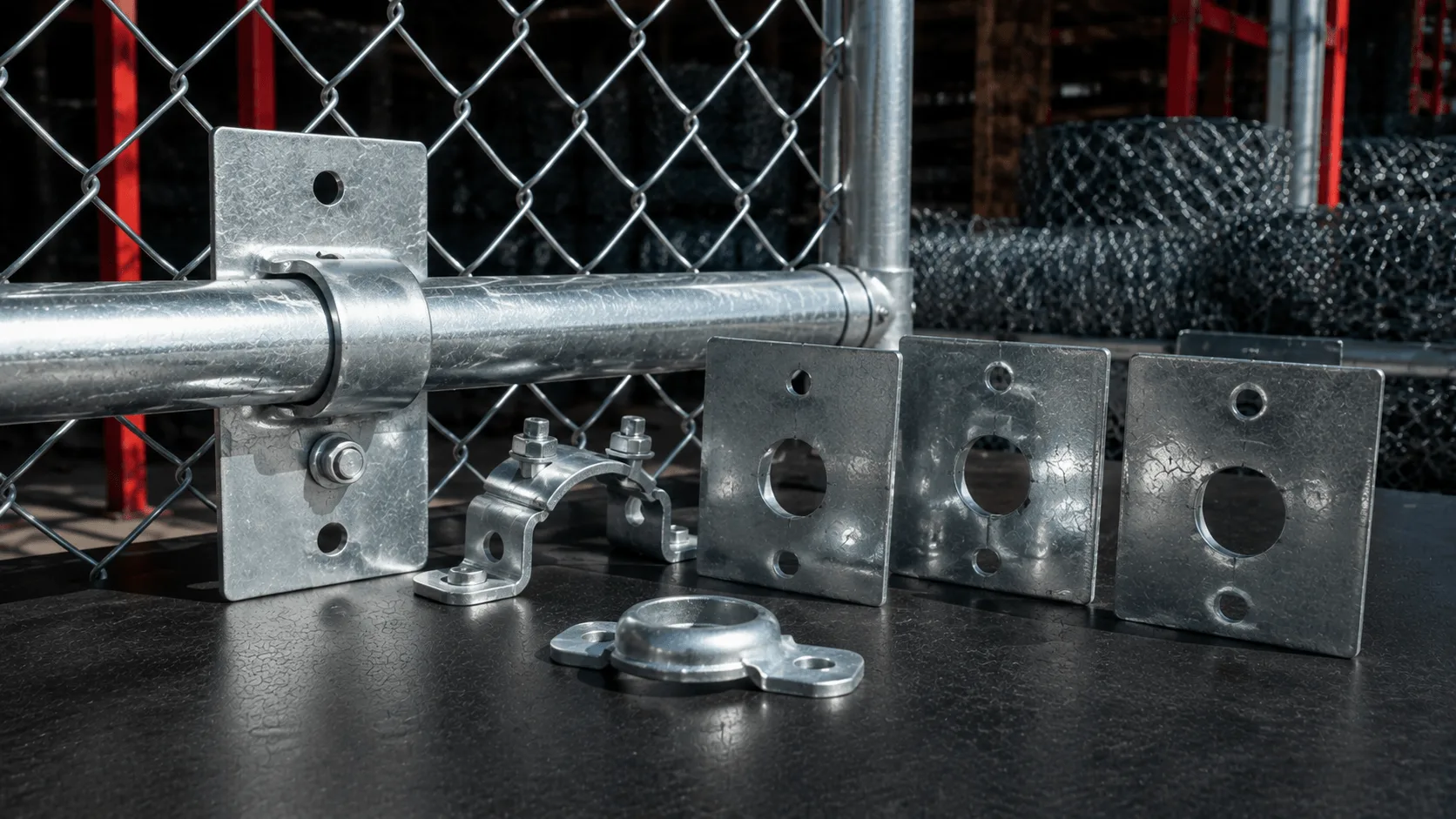
Learn what fence back plates are, when to use them and how to choose the right size and finish for fencing pipe connections.
 Product Comparison
Loose Fit vs Tight Fit Pipe Straps: What's the Difference?
8 Sept 2026
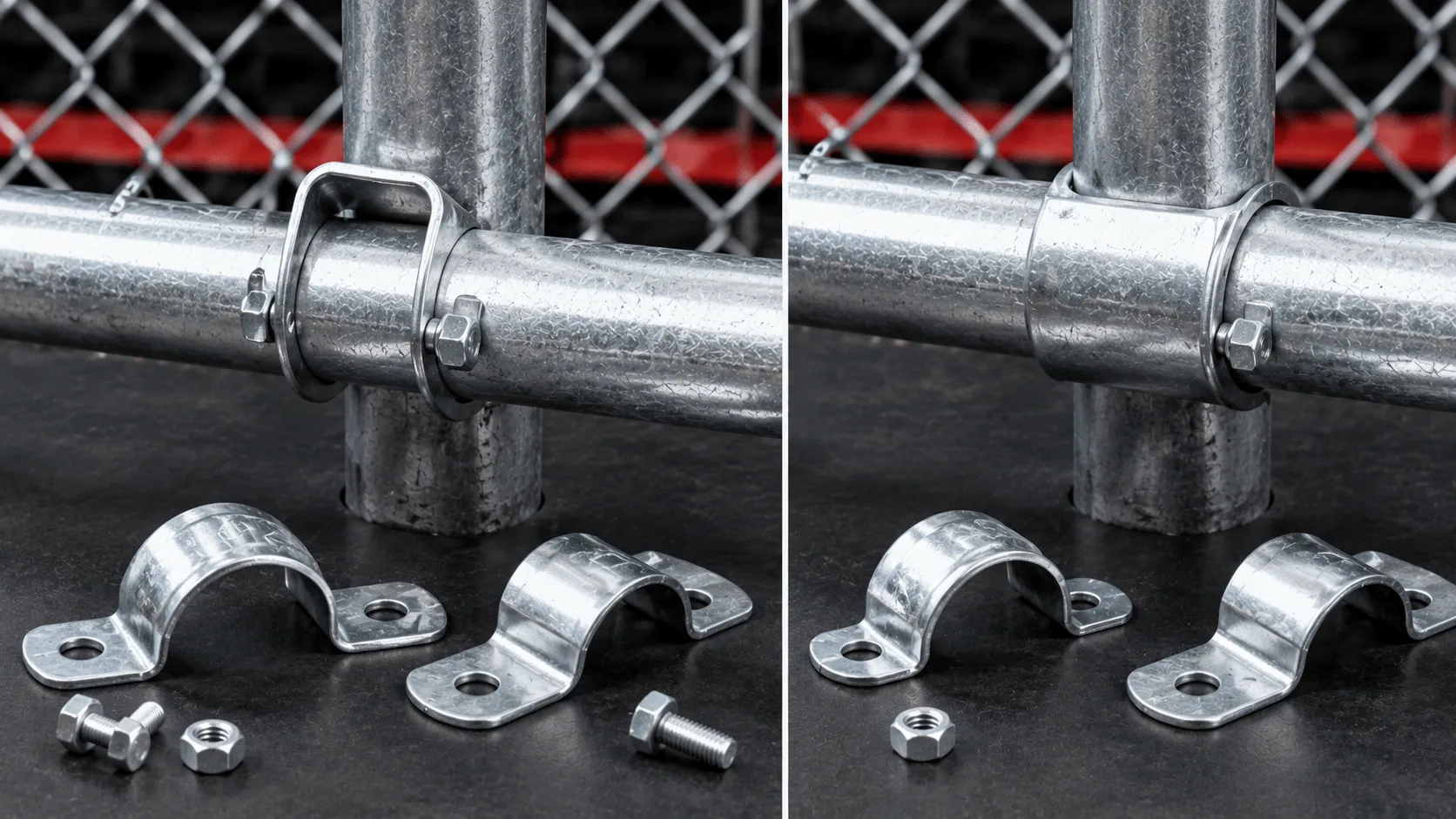
Compare loose fit vs tight fit pipe straps, including sizing, finishes and key factors to check when choosing straps for fencing pipe.
Tell us about the fence.
One business day. That's how fast we come back with pricing once we have your quantity, finish and postcode.
Buying regularly? Apply for a credit account