
Fence Pipe Sizes Explained for Commercial Fencing Projects
Learn how fence pipe sizes affect strength, stability, and performance in commercial chainwire fencing projects.
Introduction
When planning a commercial fencing project, many people focus on chain link mesh, gates, and security features. However, one of the most important structural considerations is often overlooked: fence pipe sizes. The size of the pipe used throughout a fencing system directly impacts its strength, durability, stability, and long-term performance.
Whether securing a warehouse, logistics facility, school, sporting venue, industrial site, or infrastructure project, selecting the appropriate fence pipe sizes is essential for ensuring the fence can withstand operational demands and environmental conditions. Using pipe that is too small may compromise structural integrity, while oversized pipe can increase project costs unnecessarily.
At Supaguard Fencing, we understand that every fencing project requires a carefully designed framework. Understanding how fence pipe sizes affect performance can help property owners, contractors, and project managers make informed decisions that deliver long-term value.
TLDR Guide
Choosing the correct fence pipe sizes is critical to the strength and reliability of any commercial fencing system. Pipe sizes influence everything from fence stability and load-bearing capacity to gate support and overall durability.
Key considerations include:
- Fence height
- Fence length
- Security requirements
- Environmental conditions
- Gate sizes and weight
- Structural load requirements
Larger fencing systems generally require larger pipe sizes to maintain stability and performance. Selecting the right pipe specification helps ensure the fence remains secure, durable, and cost-effective throughout its lifespan.
Detailed Breakdown
Why Fence Pipe Sizes Matter
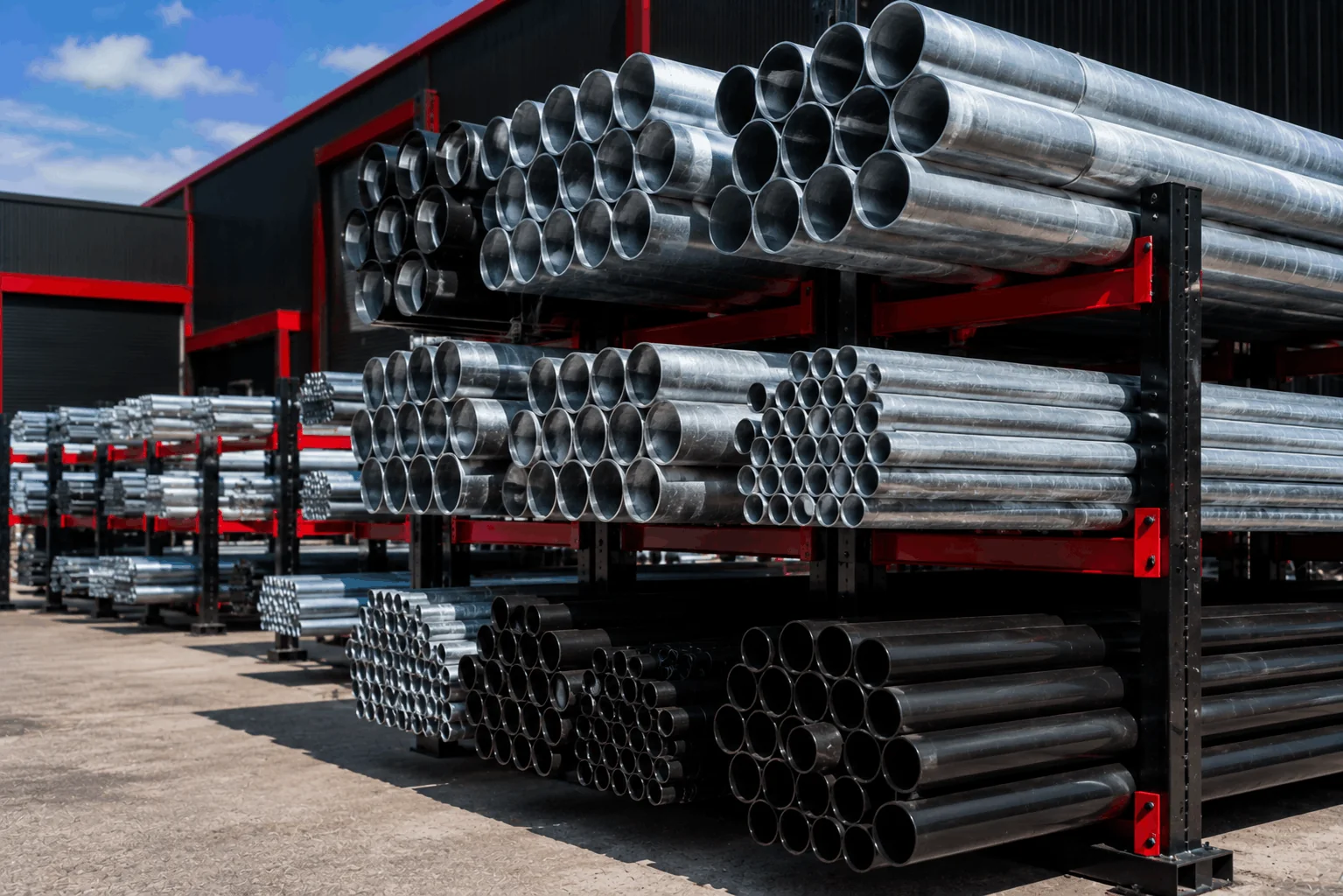
Fence pipes form the structural framework that supports the entire fencing system.
Posts, rails, braces, and gate supports all rely on pipe components to provide the strength required for daily operation and long-term durability. While chain link mesh provides the visible barrier, it is the pipe framework that allows the fence to remain stable under pressure.
Incorrect pipe sizing can result in:
- Fence movement
- Structural weakness
- Premature wear
- Increased maintenance
- Reduced lifespan
This is why fence pipe sizes should always be considered during the planning stage of a fencing project.
Understanding the Role of Fence Pipe
Fence pipe serves as the backbone of commercial fencing systems.
It is commonly used for:
- Fence posts
- Top rails
- Bottom rails
- Bracing systems
- Gate frames
- Structural supports
The pipe framework provides the strength needed to support fencing materials while maintaining alignment and stability over time.
For commercial applications, selecting the appropriate pipe size helps ensure the fencing system performs reliably in demanding environments.
How Fence Height Affects Pipe Size Selection
One of the biggest factors influencing fence pipe sizes is fence height.
As fence height increases, the loads applied to posts and rails also increase. Taller fences experience greater wind resistance and require stronger structural support.
For example:
- Lower perimeter fences may require lighter structural components.
- Medium-height security fences often require larger posts and rails.
- High-security fences generally require heavier-duty pipe systems.
Choosing pipe sizes that match the fence height helps maintain structural integrity and prevent excessive movement.
Fence Length and Structural Demands
The overall length of a fencing project also affects pipe requirements.
Long fence runs place additional loads on:
- End posts
- Corner posts
- Bracing systems
- Structural connections
As fence length increases, larger pipe sizes may be necessary to maintain proper support and alignment.
This is particularly important for:
- Industrial sites
- Logistics facilities
- Warehouses
- Infrastructure projects
Long perimeters require carefully designed frameworks to ensure consistent performance across the entire fence line.
Security Requirements Influence Pipe Selection
Security fencing often requires stronger structural components than standard boundary fencing.
High-security installations may include:
- Taller fencing
- Security gates
- Barbed wire systems
- Controlled access points
- These additional features increase the demands placed on the framework.
- Larger fence pipe sizes can help support:
- Increased loads
- Enhanced stability
- Improved security performance
- Greater long-term durability
The level of security required should always be considered when selecting pipe specifications.
The Relationship Between Pipe and Chain Link Mesh
The pipe framework and fencing material must work together as a complete system.
Chain Link Mesh relies on the surrounding framework to maintain proper tension and structural support.
Benefits of matching pipe specifications to chain link mesh requirements include:
- Better fence performance
- Improved durability
- Enhanced appearance
- Reduced maintenance
- Greater structural reliability
A strong fence framework helps maximise the performance and lifespan of the chain link mesh itself.
Environmental Conditions Matter
Australian fencing systems are exposed to a wide variety of environmental conditions.
These may include:
- Coastal environments
- Strong winds
- Heavy rainfall
- Industrial exposure
- High temperatures
- Environmental factors can influence the pipe sizes required for a project.
For example, areas exposed to strong winds may require more robust structural support to maintain fence stability over time.
Selecting appropriate pipe sizes helps ensure the fence can withstand local conditions without compromising performance.
Gates Place Additional Loads on Fence Systems
Gates are often the most heavily used components within a fencing system.
Because gates are attached directly to supporting posts, they place additional stress on the framework.
Factors influencing pipe requirements include:
- Gate width
- Gate height
- Gate weight
- Frequency of use
Larger gates generally require larger supporting pipe sizes to ensure reliable operation and prevent structural issues.
This is especially important for commercial and industrial sites where vehicle access is common.
Why Quality Fittings Are Essential
Pipe size alone does not determine fence strength.
The connections between structural components are equally important.
Quality fittings help ensure:
- Secure connections
- Proper load distribution
- Structural stability
- Long-term durability
- Reduced maintenance
Even the strongest pipe framework relies on properly specified fittings to achieve maximum performance.
This is why professional fencing systems treat fittings as an essential part of the structural design.
Common Pipe Applications in Commercial Fencing
Different pipe sizes may be used throughout a fencing system depending on the role of the component.
Common applications include:
- Fence Posts
- Provide primary structural support.
- Top Rails
- Help maintain alignment and support mesh tension.
- Bracing Systems
- Improve stability and load distribution.
- Gate Frames
- Support gate operation and security.
- Corner Assemblies
- Manage directional changes within the fence line.
- Each application may require different pipe dimensions based on project requirements.
- Choosing the Right Fence Pipe Sizes
- Several factors should be evaluated before selecting pipe sizes.
- These include:
- Fence Purpose
Security fencing may require stronger structural support than standard boundary fencing.
Site Conditions
Environmental exposure can affect structural requirements.
Fence Height
Taller fences generally require larger pipe sizes.
Gate Requirements
Vehicle access gates often place greater loads on supporting structures.
Long-Term Performance Goals
Choosing the correct pipe sizes from the outset can reduce maintenance and improve lifespan.
A professional assessment can help ensure the most appropriate specification is selected for the project.
The Cost of Choosing the Wrong Pipe Size
Using undersized pipe may reduce initial project costs but can create long-term issues.
Potential problems include:
- Fence instability
- Increased maintenance
- Structural failure
- Premature replacement
- Higher lifecycle costs
Conversely, excessively large pipe may increase material costs without providing meaningful benefits.
The goal is to select pipe sizes that align with the project's structural and operational requirements.
Getting Expert Advice for Your Project
Every commercial fencing project has unique requirements.
Selecting the correct fence pipe sizes requires consideration of fence design, site conditions, security objectives, and operational demands.
For professional advice on fencing systems, framework components, and project planning, visit our Contact Page and speak with the team at Supaguard Fencing.
Key Takeaways
Understanding fence pipe sizes is essential for creating a strong, stable, and durable commercial fencing system. While fence mesh and gates are highly visible components, the pipe framework provides the structural support that allows the entire system to function effectively.
Factors such as fence height, length, security requirements, environmental conditions, and gate specifications all influence the pipe sizes required for a project. Selecting the correct components helps improve performance, reduce maintenance, and maximise long-term value.
Key points to remember include:
- Fence pipe sizes directly affect structural strength.
- Taller fences generally require larger pipe sizes.
- Security fencing often demands stronger frameworks.
- Chain link mesh relies on proper pipe support.
- Quality fittings improve overall system performance.
- Environmental conditions should influence pipe selection.
- Correct sizing helps reduce maintenance and extend fence lifespan.
By understanding how pipe sizes contribute to fence performance, property owners can make better decisions that support long-term security and durability.
FAQs
Why are fence pipe sizes important?
Fence pipe sizes determine the structural strength and stability of a fencing system. Properly sized pipe helps support fencing materials, gates, and security features while maintaining alignment over time. Choosing the correct pipe size contributes to long-term durability and performance.
How does fence height affect pipe size selection?
As fence height increases, larger structural loads are placed on posts and rails. Taller fences often require larger pipe sizes to maintain stability and resist environmental forces. Proper sizing helps prevent movement and structural issues.
Do commercial fencing projects require larger pipe sizes?
Commercial fencing projects often involve longer fence runs, larger gates, and higher security requirements. These factors can increase structural demands and require stronger framework components. Pipe size selection should be based on the specific project requirements.
How do fittings work with fence pipe systems?
Fittings connect fence pipes together and help distribute loads throughout the framework. Quality fittings improve structural integrity and contribute to long-term durability. They are an essential part of any professional fencing installation.
Can the wrong fence pipe size affect fence lifespan?
Yes, undersized pipe can lead to structural instability, increased maintenance, and premature wear. Oversized pipe may increase costs without providing additional value. Selecting the appropriate pipe size helps maximise performance and lifespan.
More from the blog.
 Fittings
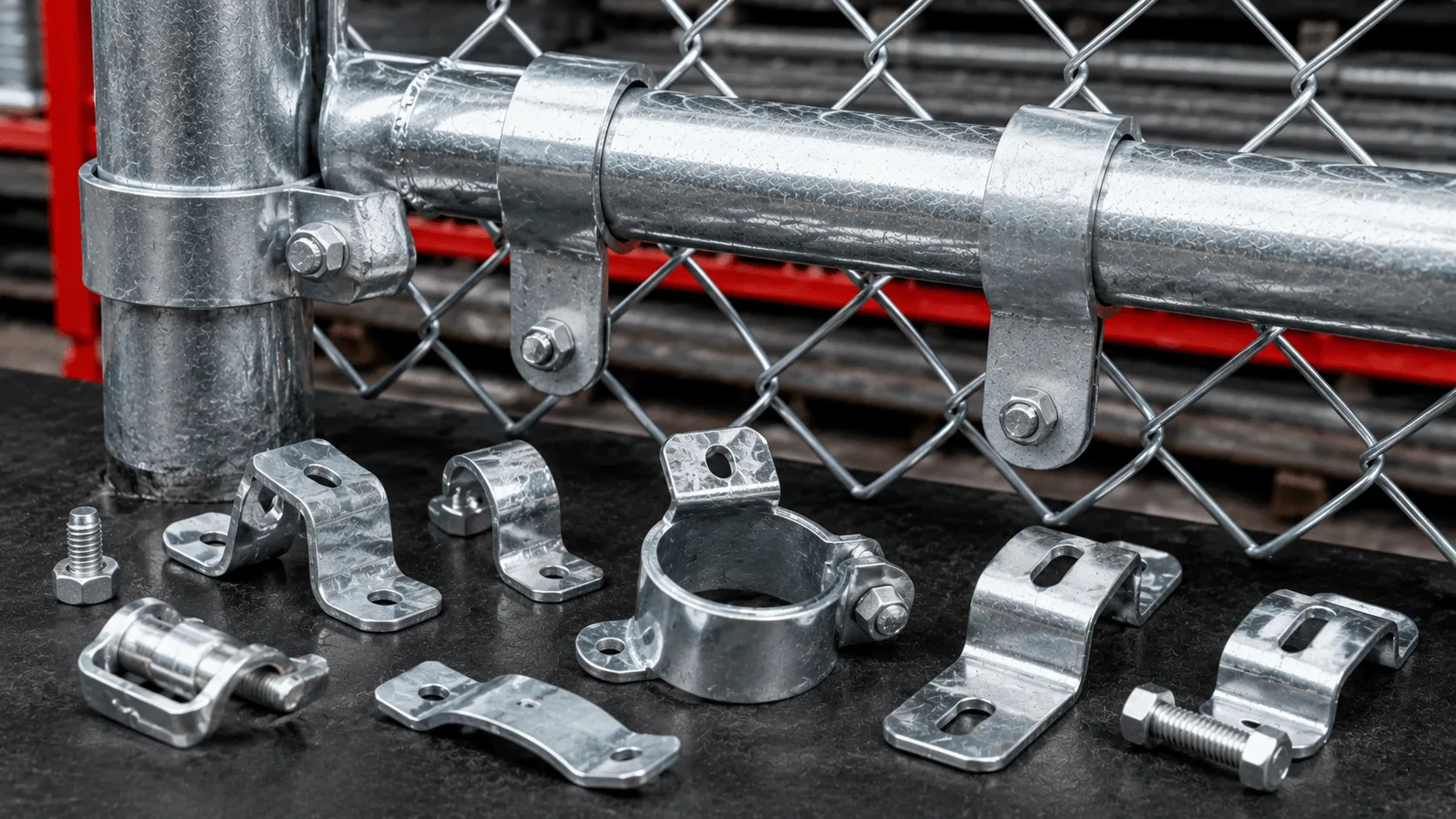
What Are Fence Strap Attachments and How Do They Work?
10 Sept 2026
Learn what fence strap attachments are, how they work and what to consider when choosing attachments for fencing pipe and framework.
 Fittings
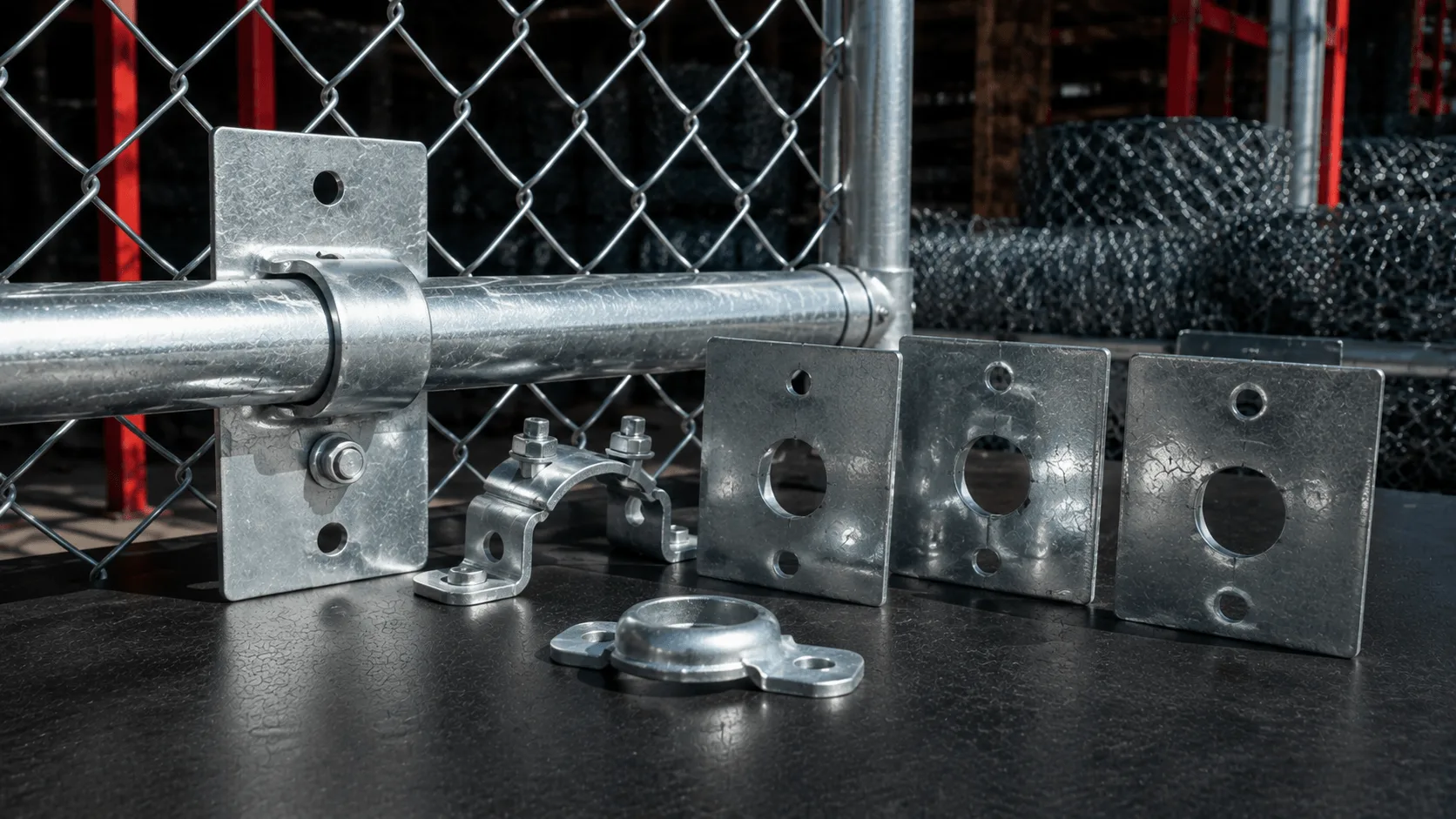
What Are Fence Back Plates and When Should You Use Them?
9 Sept 2026
Learn what fence back plates are, when to use them and how to choose the right size and finish for fencing pipe connections.
 Product Comparison
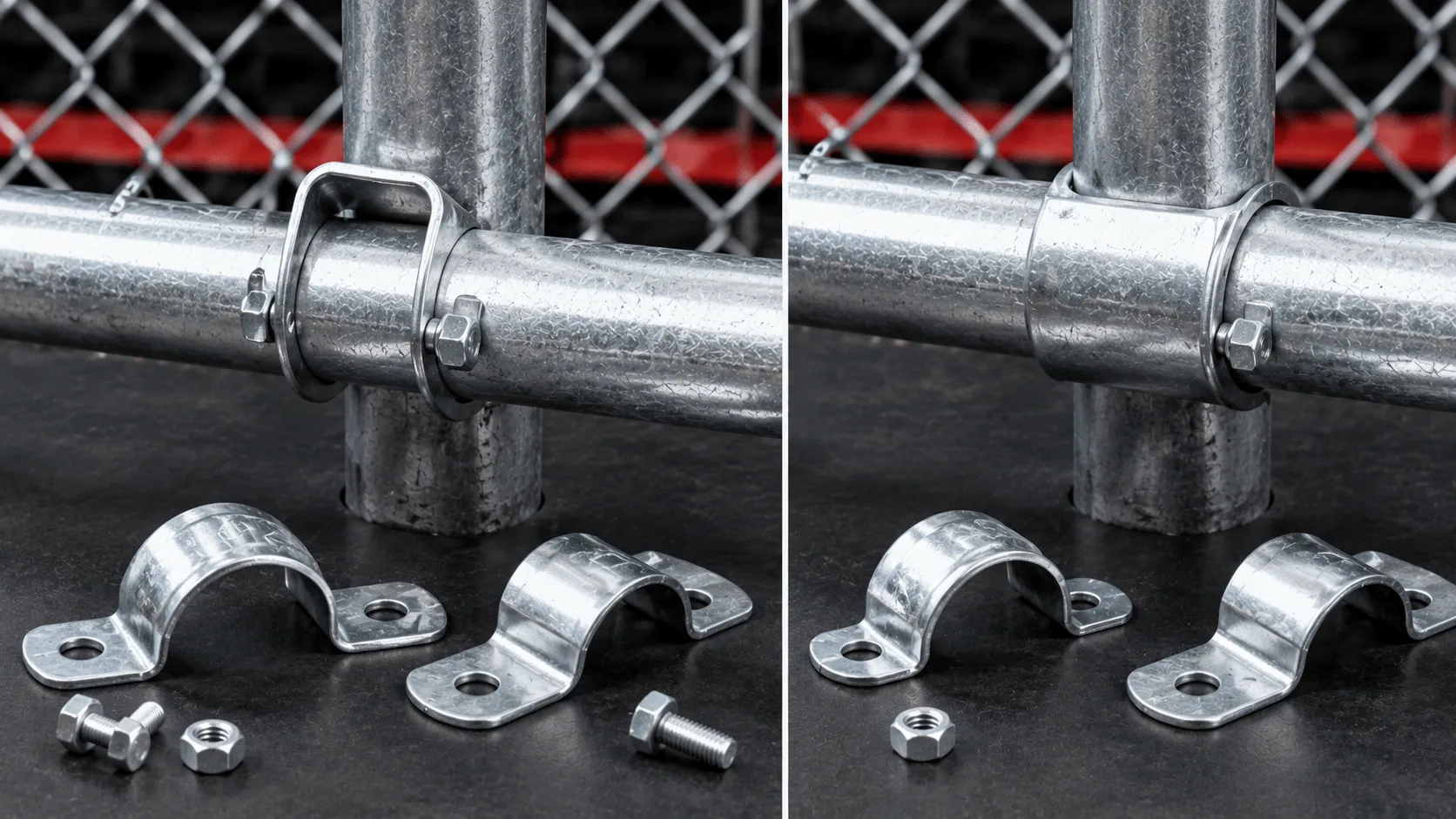
Loose Fit vs Tight Fit Pipe Straps: What's the Difference?
8 Sept 2026
Compare loose fit vs tight fit pipe straps, including sizing, finishes and key factors to check when choosing straps for fencing pipe.
Tell us about the fence.
One business day. That's how fast we come back with pricing once we have your quantity, finish and postcode.
Buying regularly? Apply for a credit account