
How Do Ring Fasteners Work for Chain Link Fencing?
Discover how ring fasteners for chain link fencing work, where they are used, what tools they require and what to check before installation.
Introduction
Chain link fencing looks simple from a distance: mesh, posts, rails and wire. Look closer, though, and you'll find plenty of small components doing important jobs behind the scenes. Ring fasteners are one of them.
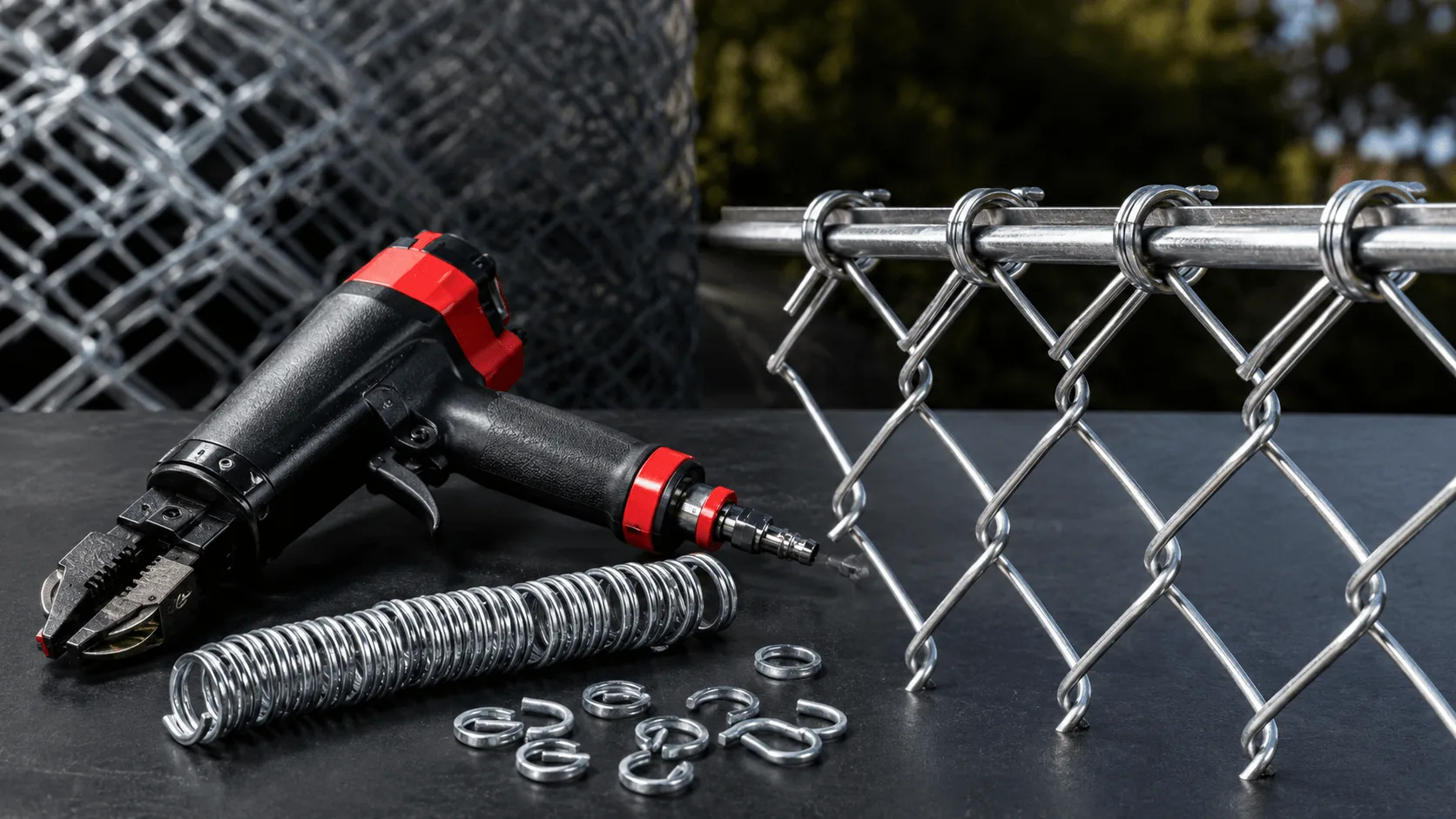
Ring fasteners for chain link fencing are used to secure fencing components together at designated fastening points. Once applied with the appropriate tool, the fastener closes around the materials being joined, creating a practical mechanical connection that can be repeated along the fence.
Australian manufacturer Supaguard Fencing includes ring fasteners within its broader range of chain link fencing products and accessories. For installers and fencing contractors, understanding how these little pieces work can make product selection and installation considerably more straightforward.
Small fitting. Simple job. Surprisingly important result.
TLDR - Quick Guide
Here's the short version of how ring fasteners for chain link fencing work:
- They create fastening points: Rings close around the materials being secured.
They require a compatible tool: Ring fasteners are applied using an appropriate fastening tool rather than simply being bent into place by hand.
They provide repeatable connections: Installers can apply fasteners systematically along the required section of fencing.
Compatibility matters: The fastener, fencing material and tool should be suitable for one another.
Spacing matters: Fasteners should be positioned according to the fencing design or project specification.
They're part of a system: Ring fasteners work alongside mesh, fencing wire, framework and other accessories.
The principle is straightforward: position, close and secure. The details determine whether the result is right for the job.
Detailed Breakdown
What Are Ring Fasteners for Chain Link Fencing?
Ring fasteners are small metal fastening components that close around fencing materials to form a mechanical connection.
They're useful because chain link fencing isn't simply stretched between two posts and left there. The mesh and supporting components need to be appropriately secured throughout the fencing system.
When ring fasteners for chain link fencing are installed, the open fastener is positioned around the materials being joined. A compatible tool then closes the fastener, forming the ring-shaped connection that gives the product its name.
You can find ring fasteners alongside other Fencing Accessories used to complete chain link fencing systems.
1. How Do Ring Fasteners Actually Work?
The basic mechanism isn't complicated.
An open fastener is positioned around the components that need to be connected. The appropriate fastening tool then compresses the fastener so its ends close around those components.
The process generally comes down to:
- Position the fencing materials correctly.
- Place the fastener around the intended connection.
- Align the appropriate fastening tool.
- Close the fastener around the materials.
- Check that the resulting connection is correctly formed.
- Repeat at the specified intervals.
That repeatability is one of the practical benefits of ring fasteners for chain link fencing. Instead of inventing a different fastening method at every connection, installers can work systematically along the fence.
2. Where Are Ring Fasteners Used?
Ring fasteners can be used where the chain link fencing design calls for components to be secured together.
Exactly where and how frequently they're installed should depend on the fencing system and project requirements rather than a universal rule.
That's an important distinction. Not every chain link fence has identical dimensions, mesh specifications, framework or installation requirements.
Before starting, identify:
- Which components need fastening
Where connections are required
The specified spacing between fasteners
The appropriate ring fastener
The required fastening tool
Reviewing the complete Chain Link Fencing specification first can prevent a lot of head-scratching once installation begins.
3. Why Is the Installation Tool Important?
A ring fastener is only half of the fastening setup. The tool that closes it matters too.
The purpose of a compatible fastening tool is to apply and close the ring around the fencing materials efficiently and consistently. Trying to improvise with an unsuitable tool can make an otherwise simple job unnecessarily difficult.
Before installation, confirm:
- The tool is designed for the selected fastener.
- The fastener fits correctly into the tool.
- The tool closes the fastener as intended.
The completed connection is secure without unnecessarily damaging the fencing material.
This becomes particularly important on larger projects. One awkward fastening might be annoying; hundreds of awkward fastenings become everyone's problem.
4. Ring Fasteners Need to Match the Fencing System
Choosing ring fasteners isn't just about whether a ring can physically close around something.
The fastener needs to suit the fencing materials, installation method and overall project specification. Chain link fencing can vary by mesh size, wire diameter, finish, height and intended application.
That means the sensible order is:
- Choose the fencing system first, then select compatible accessories.
If you're also specifying Fencing Wire, mesh, gates, pipe and fittings, review those components together rather than treating every item as an independent purchase.
The result is a more coherent installation and fewer surprises on site.
5. Material and Finish Deserve Attention
Chain link fencing is commonly exposed to rain, sun and changing outdoor conditions, so the finish of small components shouldn't be ignored.
When comparing ring fasteners for chain link fencing, check the manufacturer's product specification for the fastener material and finish. Then compare that information with the rest of the fencing system and the conditions in which it will be installed.
Don't select a fastener purely because it looks close enough.
Instead, consider:
- The fence specification
- The surrounding materials
- Environmental exposure
- Required finish
- Project-specific requirements
This is especially important where the fencing specification calls for particular materials or finishes.
6. Correct Fastener Spacing Matters
It's tempting to think that more fasteners automatically equal a better fence.
Not necessarily.
The appropriate quantity and spacing should come from the fencing design, supplier guidance or project specification. Installing too few may fail to provide the intended fastening arrangement, while randomly adding extra fasteners isn't a substitute for following the correct installation method.
For a larger fence, determine the required spacing before ordering so you can estimate quantities more accurately.
Consider:
- Total fence length
- Fence height
- Number of fastening points
- Corners and changes in direction
- Gates or other openings
- The specified fastening arrangement
- An appropriate installation allowance
Planning quantities beforehand is considerably more efficient than discovering you've emptied the last box while there's still plenty of fence left.
7. Ring Fasteners vs Other Fencing Fasteners
Chain link fencing uses multiple accessories because different parts of the system can require different methods of connection.
Ring fasteners shouldn't automatically be treated as replacements for every clip, tie or fitting in a chain link fence. Each component should be used where the fencing design or manufacturer's specification calls for it.
That's why looking at the entire accessories list is useful.
Before substituting one fastening product for another, confirm:
What the original component is intended to do
What materials it connects
Whether the alternative is designed for that application
Whether different tools are required
Whether the substitution affects the project specification
"Close enough" is rarely a brilliant specification strategy.
8. Inspect Fasteners During Installation
Even with the correct components, installation quality still matters.
As work progresses, inspect the completed rings rather than waiting until the entire fence is finished. The fasteners should be consistently applied and positioned according to the fencing requirements.
Watch for obvious problems such as:
- Incomplete closure
- Incorrect positioning
- Inconsistent fastening
- Damage to surrounding materials
- Missed fastening points
Catching an installation issue after five fasteners is much easier than finding it after five hundred.
9. Consider Ring Fasteners When Ordering the Whole Fence
Small accessories are easy to forget when preparing a fencing order.
Mesh and posts naturally dominate attention because they're the largest components. But a job can still grind to a halt if the correct fasteners or fastening tools aren't available.
When ordering chain link fencing materials, create a complete component checklist that covers:
- Chain link mesh
- Fencing wire
- Posts and pipe
- Gates
- Bracing components
- Fasteners
- Clips and ties
- Installation tools
- Other required fittings
If you're unsure which ring fasteners or associated accessories are appropriate, Contact Supaguard Fencing with the relevant fencing specifications before ordering.
Common Mistakes With Ring Fasteners
Using the Wrong Fastener
Similar-looking fasteners aren't automatically interchangeable. Always check the specified dimensions, material, finish and intended use before installation.
Using an Incompatible Tool
A fastener and its application tool need to work together. Confirm compatibility before arriving on site with hundreds of fasteners and nothing suitable to close them.
Guessing the Spacing
Fastener spacing shouldn't be decided by whichever interval happens to look right. Follow the fencing design, supplier guidance or project specification.
Forgetting Fasteners During Material Planning
Small fittings can disappear from an order checklist surprisingly easily. Include fasteners and their installation tools when calculating the complete materials required for the project.
Treating Fasteners as a Universal Fix
Ring fasteners have a specific fastening role. Don't automatically substitute them for other fencing clips, ties or fittings without confirming that they're suitable for that particular connection.
Key Takeaways
Ring fasteners create mechanical connections. They close around fencing materials at designated fastening points.
The correct tool matters. Ring fasteners should be applied with a compatible fastening tool designed to close them properly.
Compatibility comes first. The fastener should suit the chain link mesh, wire, installation method and overall fence specification.
Follow the required spacing. Fastener quantity and positioning should be based on the fencing design or project requirements rather than guesswork.
Check material and finish. Consider environmental exposure and the specification of the surrounding fencing components.
Inspect as you install. Checking completed fasteners throughout installation makes it easier to identify inconsistent or incorrectly formed connections early.
Plan accessories with the whole fence. Ring fasteners may be small, but forgetting them—or the tool required to install them—can bring progress to an abrupt stop.
FAQs
What do ring fasteners do on chain link fencing?
Ring fasteners create mechanical connections between fencing materials at specified fastening points. They are positioned around the materials and closed using an appropriate tool. Their exact use and positioning depend on the chain link fencing design and installation specification.
How are ring fasteners installed on chain link fencing?
The fastener is positioned around the materials that need to be secured and then closed using a compatible fastening tool. Installers repeat the process at the intervals required by the fencing specification. Each completed fastener should be checked to make sure it has formed correctly.
Do ring fasteners require a special tool?
Ring fasteners should be installed using a tool designed to work with the selected fastener. A compatible tool helps close each fastener efficiently and consistently. Check the fastener and tool specifications together before beginning installation.
How many ring fasteners do I need for chain link fencing?
The required number depends on fence dimensions, fastening locations, spacing and the specific fencing design. Calculate quantities using the project specification rather than relying on a universal number per metre. Allowing for the practical requirements of installation can also help prevent shortages on site.
Can ring fasteners replace other chain link fencing clips?
Ring fasteners shouldn't automatically be substituted for every clip, tie or fitting used in chain link fencing. Different accessories can perform different jobs within the complete fencing system. Confirm that any proposed substitution is suitable for the intended connection and complies with the project specification.
More from the blog.
 Fittings
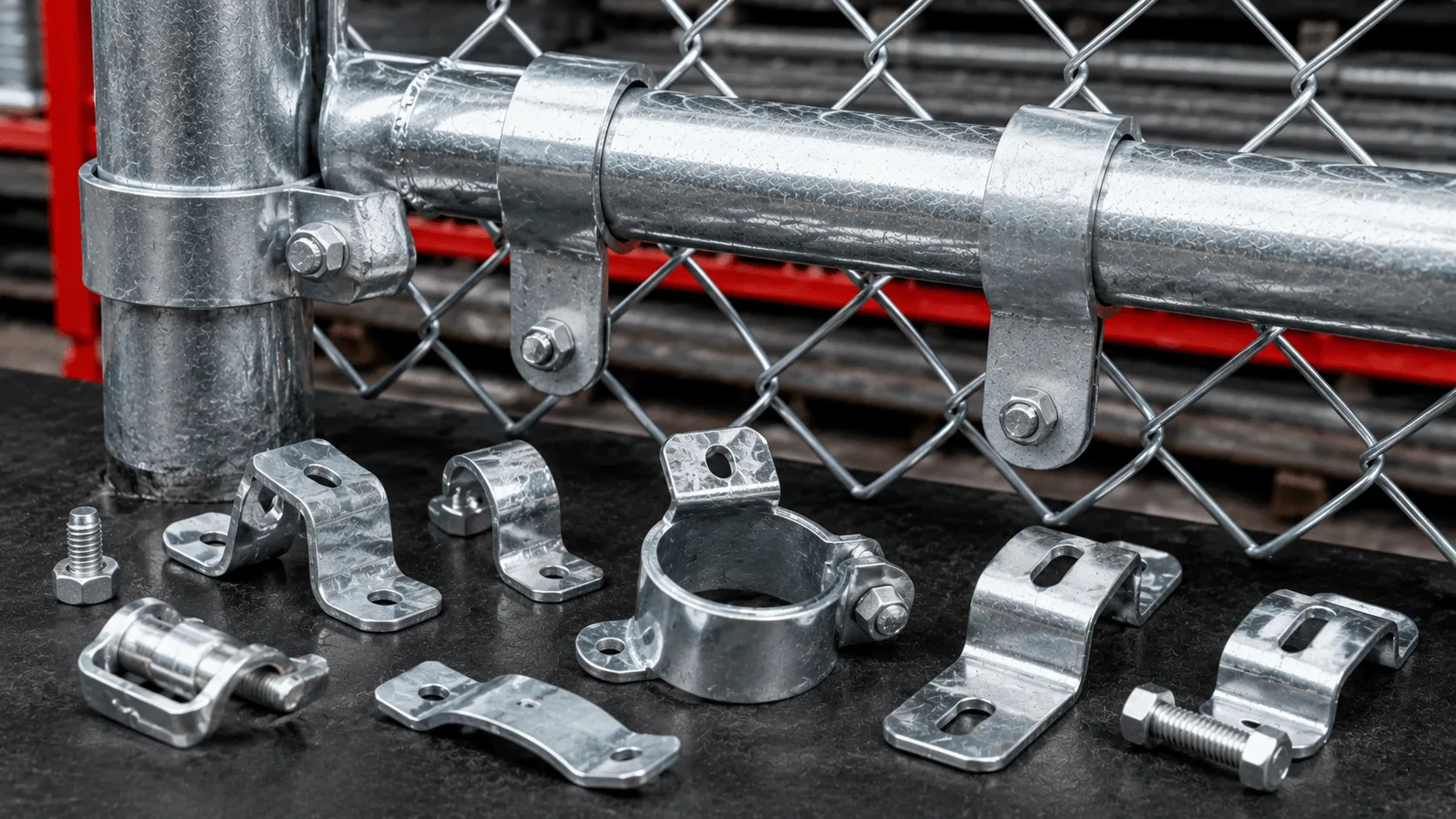
What Are Fence Strap Attachments and How Do They Work?
10 Sept 2026
Learn what fence strap attachments are, how they work and what to consider when choosing attachments for fencing pipe and framework.
 Fittings
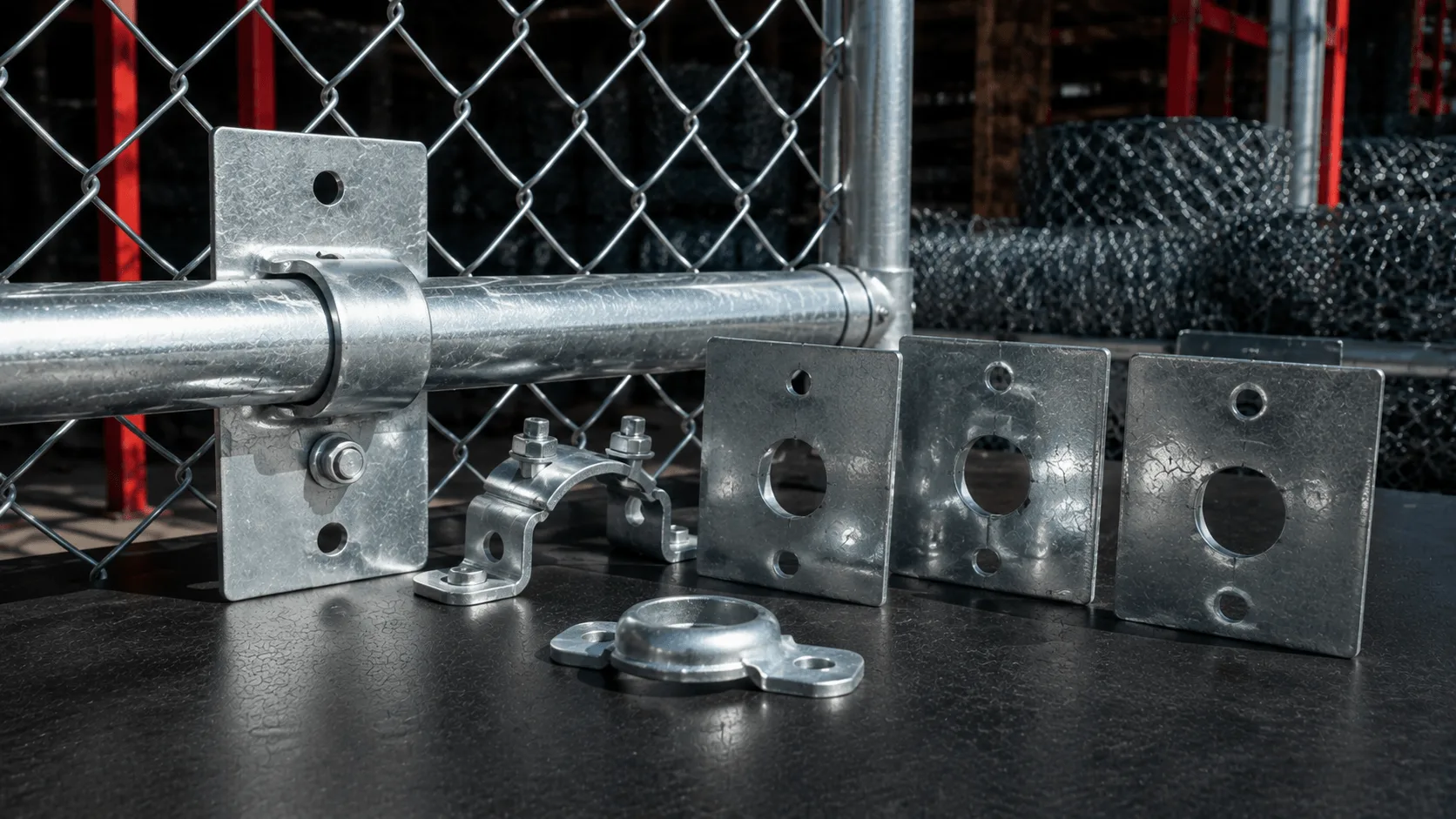
What Are Fence Back Plates and When Should You Use Them?
9 Sept 2026
Learn what fence back plates are, when to use them and how to choose the right size and finish for fencing pipe connections.
 Product Comparison
Loose Fit vs Tight Fit Pipe Straps: What's the Difference?
8 Sept 2026
Compare loose fit vs tight fit pipe straps, including sizing, finishes and key factors to check when choosing straps for fencing pipe.
Tell us about the fence.
One business day. That's how fast we come back with pricing once we have your quantity, finish and postcode.
Buying regularly? Apply for a credit account