
How to Choose the Right Chainwire Gate Hinges
Learn how to choose chainwire gate hinges for durability, security, smooth operation, and long-term fencing performance.
Introduction
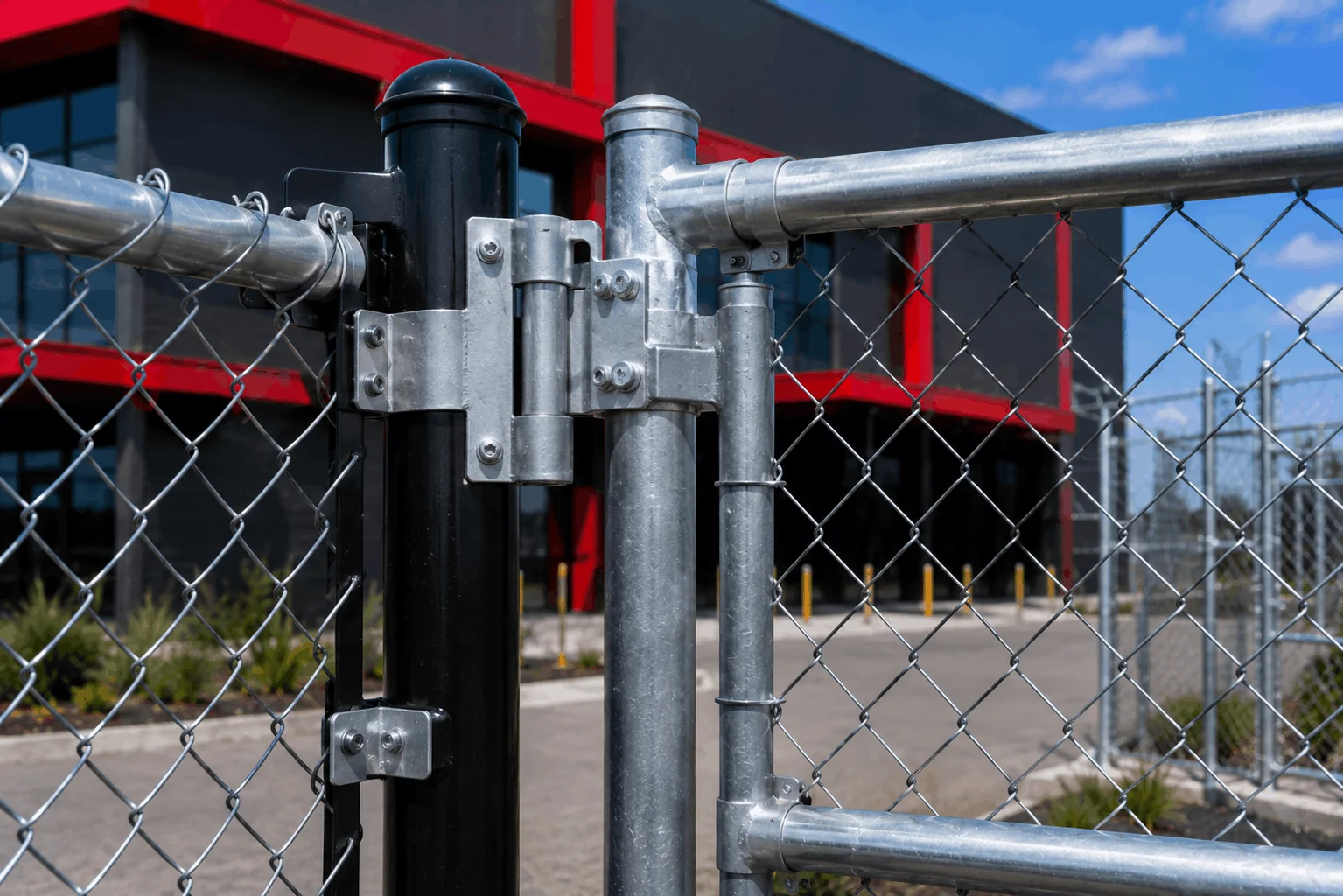
When selecting components for a fencing system, many property owners focus on the gate itself while overlooking one of the most important elements responsible for its performance: chainwire gate hinges. While hinges may appear to be a small part of the overall gate assembly, they play a critical role in supporting the gate's weight, ensuring smooth operation, maintaining security, and contributing to long-term durability.
Whether installed on commercial properties, industrial facilities, warehouses, logistics centres, schools, sporting venues, or infrastructure projects, chainwire gates rely on properly selected hinges to function effectively. Poor-quality or incorrectly specified hinges can lead to operational issues, increased maintenance requirements, premature wear, and even security vulnerabilities.
At Supaguard Fencing, we understand that every component contributes to the overall reliability of a fencing system. Choosing the right chainwire gate hinges helps ensure your gates continue performing efficiently while supporting the security and functionality of your perimeter.
TLDR Guide
Choosing the right chainwire gate hinges is essential for ensuring smooth gate operation, structural stability, and long-term durability.
The best hinges are selected based on gate size, weight, frequency of use, environmental conditions, and security requirements. Quality hinges help minimise maintenance, improve performance, and extend the lifespan of the gate system.
Key considerations include:
- Gate size and weight
- Frequency of operation
- Environmental exposure
- Security requirements
- Compatibility with gate design
- Quality fittings and hardware
Investing in the correct hinges helps maximise the performance of the entire fencing system.
Detailed Breakdown
Why Chainwire Gate Hinges Matter
Gate hinges are responsible for supporting the weight of the gate while allowing it to open and close smoothly.
Their role includes:
- Supporting gate movement
- Maintaining alignment
- Distributing loads
- Reducing structural stress
- Supporting security performance
Because gates are often the most frequently used component of a fencing system, hinges experience constant operational demands.
Selecting the correct hinge solution helps ensure reliable operation and reduces the likelihood of costly repairs or replacements.
Understanding the Role of Gate Hinges
Every chainwire gate depends on hinges to function properly.
The hinge acts as the connection point between the gate frame and the supporting post, allowing controlled movement while maintaining structural stability.
Quality gate hinges help provide:
- Smooth operation
- Consistent performance
- Reduced wear and tear
- Improved safety
- Long-term durability
Without reliable hinges, even a well-constructed gate may experience alignment issues, operational difficulties, or premature failure.
Gate Size Influences Hinge Selection
One of the most important factors when choosing chainwire gate hinges is the size of the gate.
Larger gates place greater loads on hinge systems and therefore require stronger support.
Factors to consider include:
- Gate width
- Gate height
- Gate frame design
- Overall weight
For example, a pedestrian gate may require different hinge specifications than a large industrial vehicle access gate.
Selecting hinges that are properly matched to gate dimensions helps ensure safe and reliable operation.
Gate Weight Affects Long-Term Performance
Gate weight is closely linked to hinge performance.
Heavier gates place additional stress on:
- Hinges
- Posts
- Structural connections
- Supporting hardware
When hinges are undersized or incorrectly specified, problems may include:
- Gate sagging
- Difficult operation
- Increased wear
- Structural strain
- Reduced lifespan
Proper hinge selection helps distribute weight effectively and maintain gate alignment over time.
Consider How Often the Gate Will Be Used
Not all gates experience the same level of traffic.
Some gates may only be opened occasionally, while others are used multiple times every day.
High-traffic environments often include:
- Warehouses
- Logistics facilities
- Industrial sites
- Schools
- Commercial properties
For these applications, durable hinge systems are essential to support frequent operation and reduce maintenance requirements.
The more often a gate is used, the more important hinge quality becomes.
Chainwire Gates Require Reliable Hardware
Gates are designed to provide secure and controlled access throughout a fencing system.
However, the performance of the gate depends heavily on the quality of its supporting hardware.
Reliable hinge systems contribute to:
- Smooth gate movement
- Improved security
- Better structural performance
- Reduced maintenance
- Longer service life
When selecting chainwire gates, hinge quality should always be considered alongside gate construction and design.
Environmental Conditions Matter
Australian fencing systems are exposed to a wide range of environmental conditions.
These may include:
- Coastal environments
- High temperatures
- Heavy rainfall
- Industrial exposure
- Strong winds
- Environmental factors can affect the performance and lifespan of gate hardware.
Choosing durable hinge systems designed for the intended operating conditions helps maximise long-term reliability.
This is particularly important for commercial and industrial installations where downtime can disrupt operations.
Fittings Play a Supporting Role
Chainwire gate hinges work alongside a range of other structural Fittings that help support fence and gate performance.
Quality fittings contribute to:
- Secure component connections
- Structural stability
- Improved load distribution
- Enhanced durability
The effectiveness of the hinge system is often influenced by the quality of the surrounding fittings and hardware.
For this reason, hinges should be considered part of a complete structural solution rather than a standalone component.
Security Requirements Should Influence Hinge Selection
Security is often one of the primary reasons for installing chainwire fencing systems.
The hinge system should support the overall security objectives of the property.
Considerations include:
- Access control requirements
- Site risk levels
- Gate locking systems
- Operational demands
A properly specified hinge contributes to consistent gate performance, helping maintain perimeter integrity and security.
Chain Link Mesh Creates a Complete Perimeter System
Most chainwire gates are installed alongside Chain Link Mesh fencing systems.
This combination offers:
- Reliable perimeter protection
- Excellent visibility
- Long-term durability
- Cost-effective security
Because gates are integrated into the perimeter, hinge performance directly affects the overall effectiveness of the fencing system.
A strong perimeter relies on every component working together, including the hinges.
Common Signs That Hinges Need Attention
Over time, hinges may experience wear due to constant use and environmental exposure.
Common signs that hinge maintenance or replacement may be required include:
- Gate sagging
- Uneven movement
- Difficulty opening or closing
- Excessive noise
- Visible wear or corrosion
Routine inspections help identify potential issues before they affect gate performance or security.
Why Quality Matters More Than Initial Cost
When selecting chainwire gate hinges, it can be tempting to focus solely on initial purchase price.
However, long-term value is often determined by:
- Durability
- Maintenance requirements
- Reliability
- Operational performance
- Lifespan
Higher-quality hinge systems may deliver lower lifecycle costs by reducing maintenance and replacement requirements over time.
For commercial and industrial properties, this often results in stronger overall value.
Professional Advice Can Help Avoid Costly Mistakes
Selecting the wrong hinge system can lead to:
- Premature wear
- Operational issues
- Increased maintenance
- Reduced security performance
- Professional guidance helps ensure hinges are correctly matched to:
- Gate size
- Gate weight
- Site conditions
- Security requirements
- Operational demands
- Proper specification from the beginning can prevent expensive corrections later.
- Getting Expert Assistance
Every fencing project has unique requirements, and selecting the right chainwire gate hinges is an important part of ensuring long-term success.
Whether you are installing new gates, upgrading an existing fencing system, or planning a large commercial project, expert guidance can help ensure the right components are selected.
For professional advice on gate hinges, fencing hardware, and perimeter security solutions, visit our Contact Page and speak with the team at Supaguard Fencing.
Key Takeaways
Chainwire gate hinges are a critical component of any gate system, helping support smooth operation, structural stability, security, and long-term durability. Although often overlooked, the correct hinge selection can significantly influence gate performance and maintenance requirements.
Factors such as gate size, weight, usage frequency, environmental conditions, and security objectives should all be considered when selecting hinges. Combined with quality gates, fittings, and chain link mesh fencing, the right hinges help create a reliable and durable perimeter solution.
Key points to remember include:
- Chainwire gate hinges support gate movement and stability.
- Gate size and weight influence hinge selection.
- High-traffic environments require durable hinge systems.
- Environmental conditions should be considered.
- Quality fittings contribute to overall performance.
- Proper hinge selection helps improve lifespan and reduce maintenance.
By choosing the right hinge solution from the outset, property owners can maximise gate reliability, security, and long-term value.
FAQs
What are chainwire gate hinges used for?
Chainwire gate hinges connect the gate frame to the supporting post and allow the gate to open and close smoothly. They support the gate's weight and help maintain alignment. Hinges are essential for reliable gate operation and long-term performance.
How do I choose the right chainwire gate hinges?
The correct hinges depend on factors such as gate size, weight, usage frequency, and environmental conditions. Larger and heavier gates typically require stronger hinge systems. Professional advice can help ensure the most suitable option is selected.
Why are quality gate hinges important?
Quality hinges help improve gate reliability, reduce maintenance requirements, and support long-term durability. They also contribute to smoother operation and better structural stability. Poor-quality hinges may lead to premature wear and operational problems.
Do chainwire gate hinges affect security?
Yes, hinges play an important role in maintaining consistent gate performance and perimeter integrity. Properly functioning hinges help ensure gates operate as intended and support overall site security. Reliable hardware contributes to a stronger fencing system.
How often should chainwire gate hinges be inspected?
Gate hinges should be inspected regularly as part of routine fence maintenance. Frequent inspections can help identify wear, alignment issues, or other concerns before they become larger problems. The inspection frequency will depend on gate usage and site conditions.
More from the blog.
 Fittings
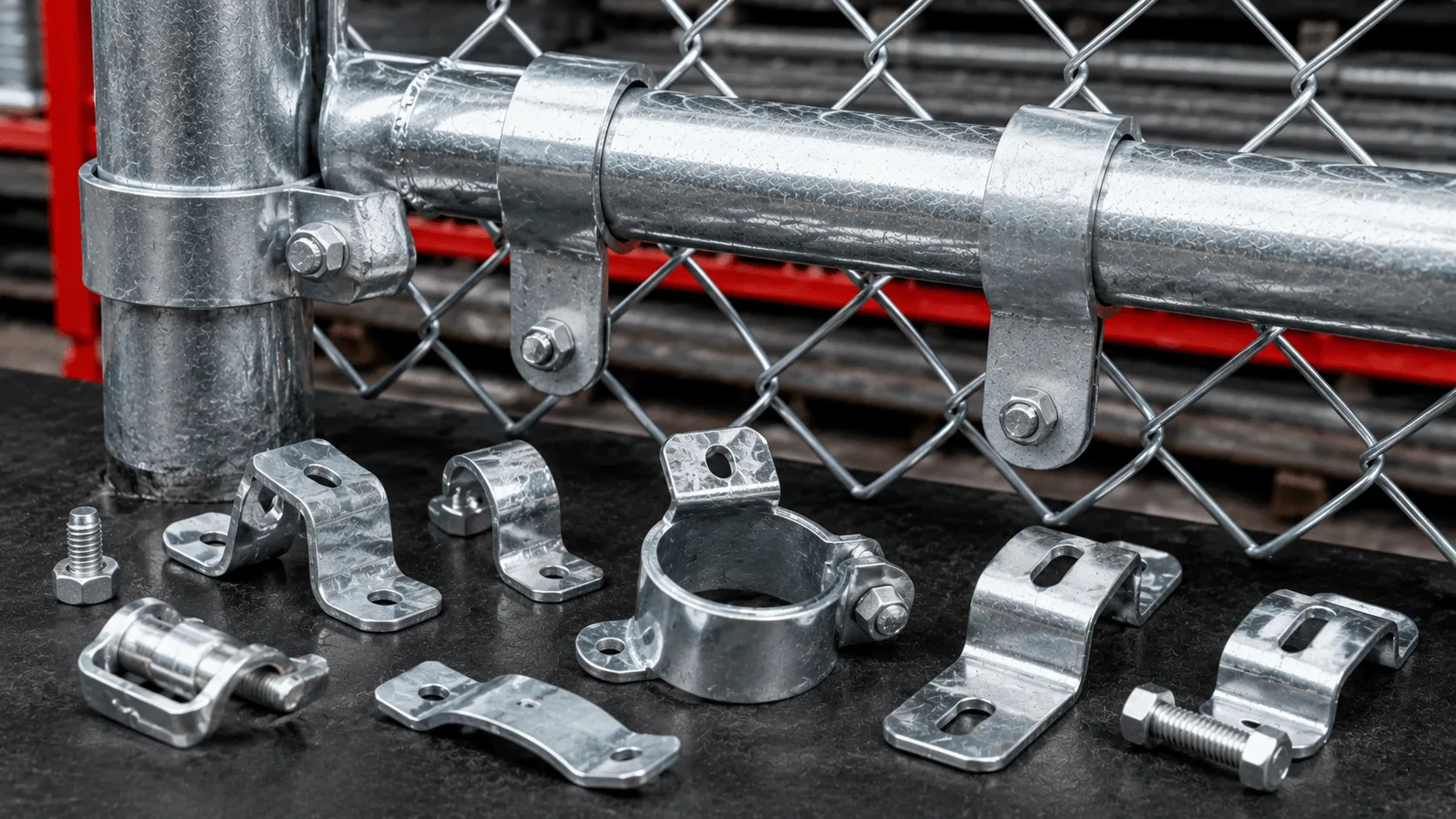
What Are Fence Strap Attachments and How Do They Work?
10 Sept 2026
Learn what fence strap attachments are, how they work and what to consider when choosing attachments for fencing pipe and framework.
 Fittings
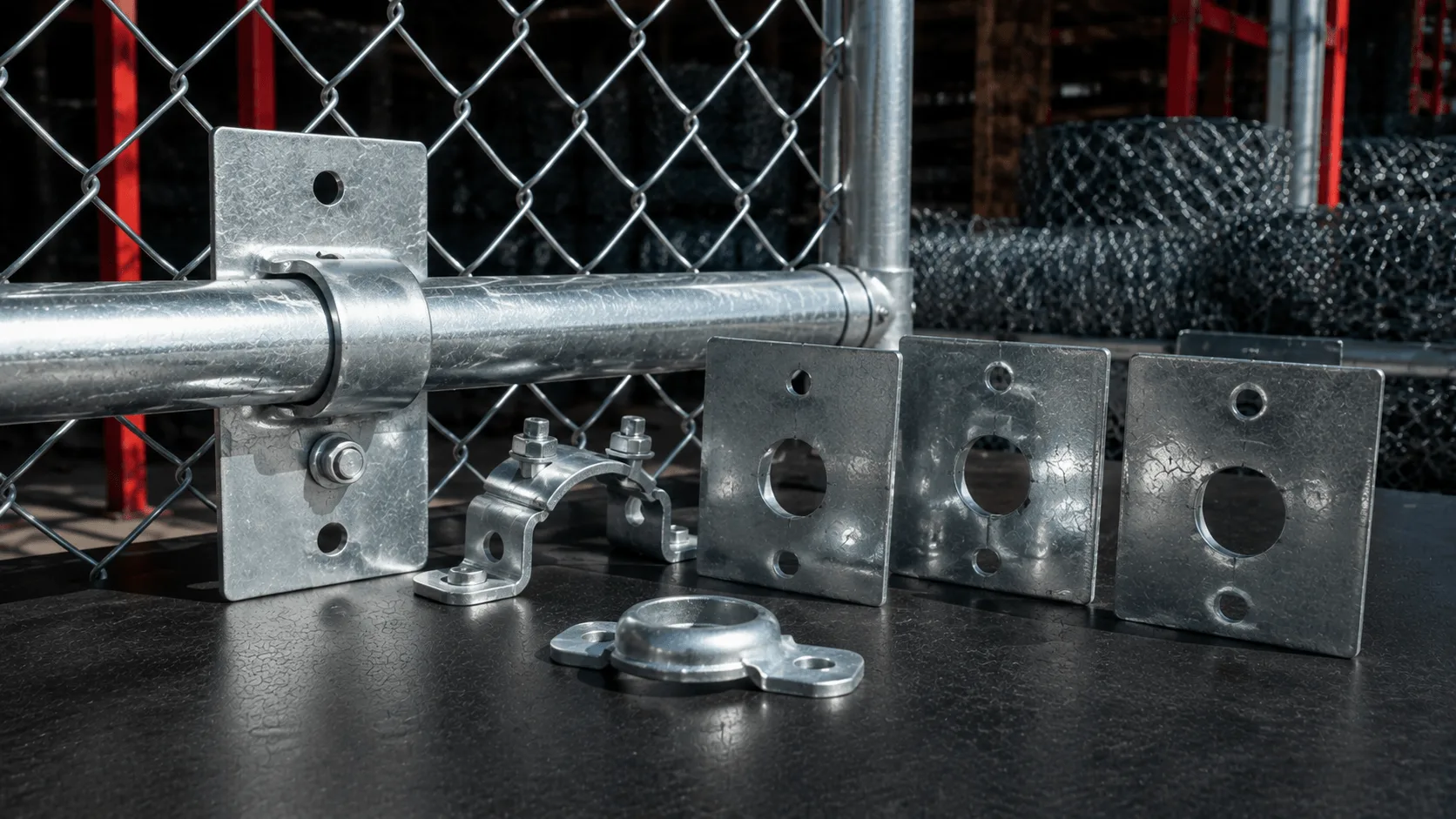
What Are Fence Back Plates and When Should You Use Them?
9 Sept 2026
Learn what fence back plates are, when to use them and how to choose the right size and finish for fencing pipe connections.
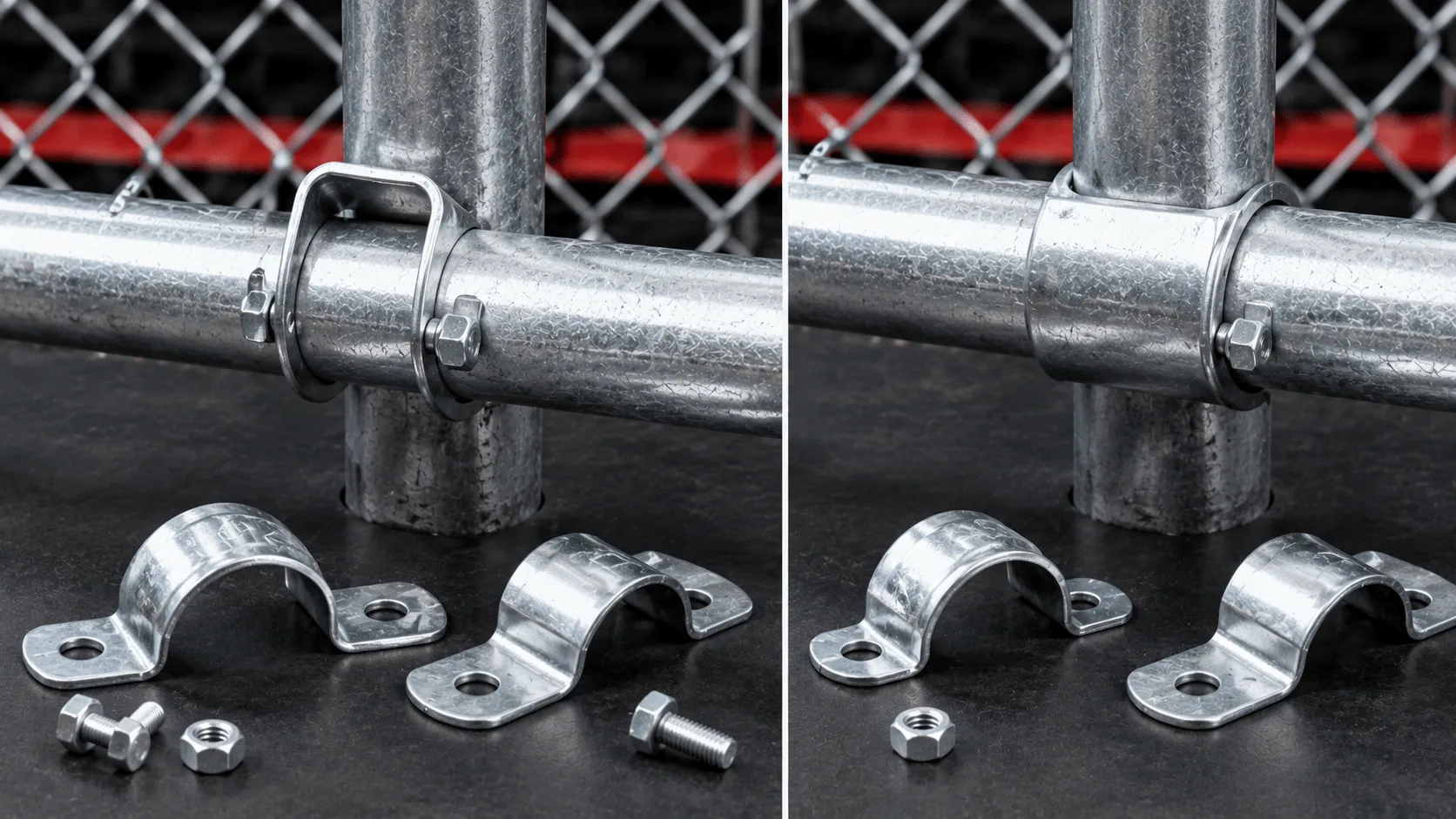 Product Comparison
Loose Fit vs Tight Fit Pipe Straps: What's the Difference?
8 Sept 2026
Compare loose fit vs tight fit pipe straps, including sizing, finishes and key factors to check when choosing straps for fencing pipe.
Tell us about the fence.
One business day. That's how fast we come back with pricing once we have your quantity, finish and postcode.
Buying regularly? Apply for a credit account