
What Is Line Wire and Why Is It Used in Chain Link Fencing?
Learn what line wire fencing is, how line wire works, and why it is essential for strong and durable chain link fencing systems.
Introduction
When people think about chain link fencing, they often focus on the mesh itself. However, a reliable fencing system depends on much more than just the visible chain link fabric. One of the most important yet often overlooked components is line wire fencing, which plays a critical role in supporting the strength, stability, and long-term performance of the entire fence.
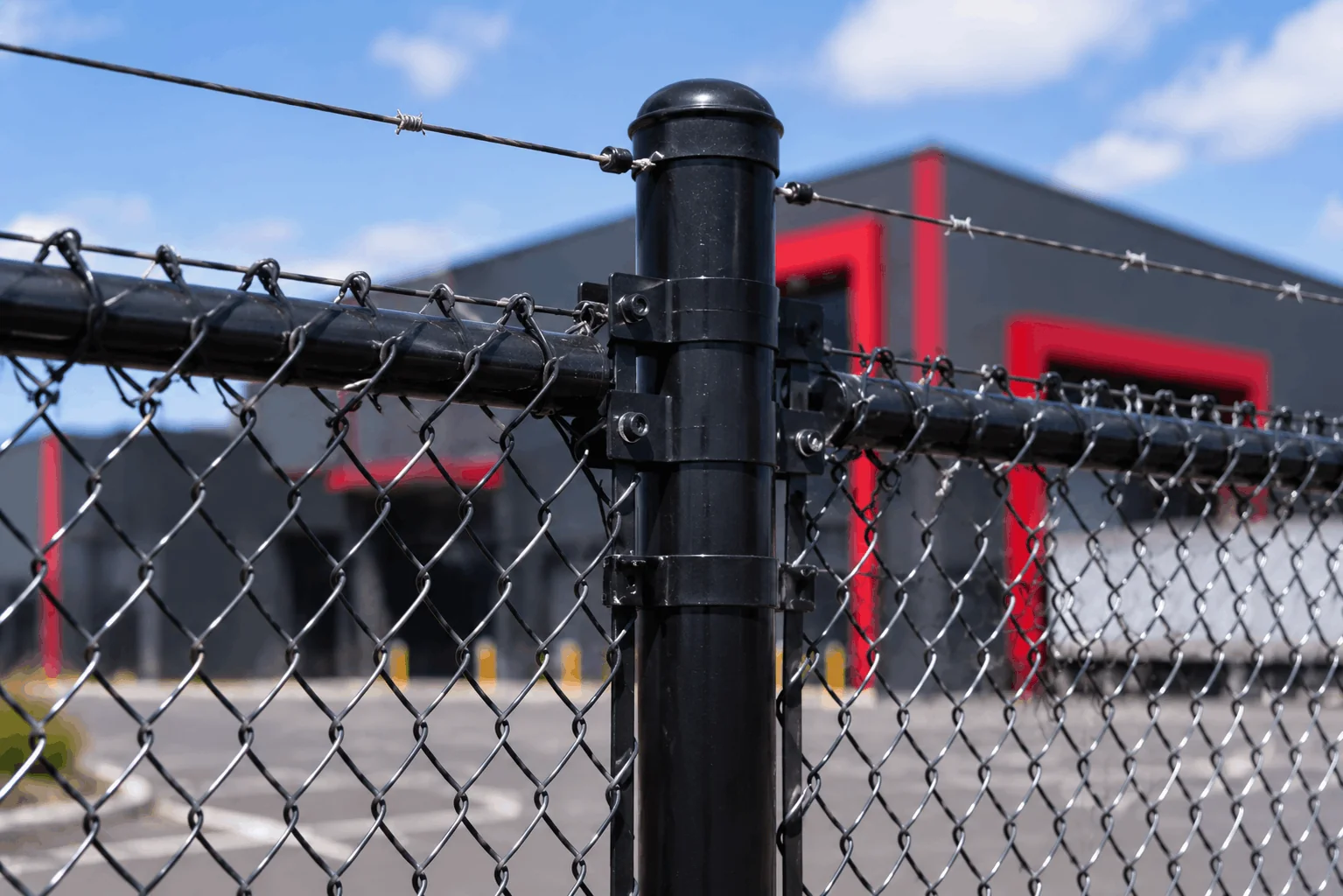
Line wire is used throughout commercial, industrial, infrastructure, sporting, and security fencing projects across Australia. It helps maintain proper fence tension, supports structural integrity, and ensures chain link mesh remains secure and functional over time. Without quality line wire, even a well-installed fence may struggle to maintain its performance under daily use and environmental conditions.
At Supaguard Fencing, we manufacture fencing products designed to deliver reliable long-term performance. Understanding how line wire functions within a chain link fencing system can help property owners, contractors, and project managers make more informed decisions when planning a fencing installation.
TLDR Guide
Line wire fencing refers to the use of tensioned wire that supports and reinforces chain link fencing systems.
Line wire helps maintain fence alignment, supports chain link mesh, distributes tension across the fence structure, and contributes to long-term durability. It is commonly used in commercial, industrial, sporting, infrastructure, and security fencing projects.
Key benefits include:
- Improved fence stability
- Better tension distribution
- Enhanced structural integrity
- Increased fence lifespan
- Stronger chain link mesh support
- Reliable long-term performance
Without properly installed line wire, chain link fencing may be more susceptible to sagging, movement, and structural issues over time.
Detailed Breakdown
What Is Line Wire?
Line wire is a high-strength wire component used within chain link fencing systems to provide support and maintain tension across the fence structure.
It is typically installed along the:
- Top of the fence
- Bottom of the fence
- Intermediate sections where required
- Perimeter support areas
The purpose of line wire is to help keep the fence mesh properly tensioned and aligned while supporting overall fence stability.
Although it may not be the most visible component of a fencing system, line wire plays a crucial role in ensuring long-term performance.
How Line Wire Works in Chain Link Fencing
Chain link fencing relies on tension to maintain its shape and structural integrity.
Line Wire works by creating continuous support along the fence line, helping distribute loads and maintain proper tension throughout the installation.
This support helps:
- Prevent fence sagging
- Improve fence alignment
- Maintain mesh positioning
- Reduce structural stress
- Enhance overall fence strength
By supporting the chain link mesh across long distances, line wire contributes significantly to the reliability of the fencing system.
Why Line Wire Is Important for Fence Stability
One of the primary reasons line wire fencing is used is to improve fence stability.
Fences are constantly exposed to external forces such as:
- Wind loads
- Physical impact
- Daily use
- Environmental conditions
- Ground movement
Without adequate support, chain link mesh may gradually lose tension or shift out of alignment.
Line wire helps minimise these issues by reinforcing the fence structure and helping maintain consistent performance over time.
Supporting Chain Link Mesh Performance
Chain Link Mesh remains one of the most widely used fencing materials because it offers durability, visibility, and cost-effective perimeter protection.
However, chain link mesh performs best when supported by properly specified structural components.
Line wire contributes to chain link mesh performance by:
- Maintaining proper tension
- Supporting mesh alignment
- Reducing stress on fence posts
- Improving overall fence appearance
- Helping prevent deformation
The combination of quality chain link mesh and properly installed line wire creates a stronger and more reliable fencing solution.
Common Applications for Line Wire Fencing
Line wire fencing is used across a wide range of industries and applications.
Common examples include:
- Industrial Facilities
Industrial sites often require durable fencing systems capable of handling demanding operating environments.
Warehouses and Distribution Centres
Large perimeter installations benefit from the additional support provided by line wire.
Sporting Facilities
Sports grounds frequently use chain link fencing systems that rely on line wire for structural support.
Schools and Educational Facilities
Line wire helps maintain secure and reliable fencing around school grounds and recreational areas.
Infrastructure Projects
Government and infrastructure projects often require long fencing runs where line wire contributes to overall stability.
Its versatility makes line wire suitable for a broad range of fencing applications.
Improving Fence Longevity
One of the major advantages of line wire fencing is its contribution to fence lifespan.
A properly supported fence experiences less stress and is better able to withstand environmental conditions over time.
Benefits include:
- Reduced sagging
- Improved durability
- Better structural performance
- Lower maintenance requirements
- Extended service life
Investing in quality fencing components at the beginning of a project often leads to lower lifecycle costs and improved long-term value.
The Role of Fittings in Line Wire Installations
Line wire systems rely on secure connections to perform effectively.
Fittings play a vital role in attaching, tensioning, and supporting line wire throughout the fencing system.
Quality fittings help:
- Maintain wire tension
- Secure fence components
- Improve structural stability
- Support long-term performance
- Reduce maintenance requirements
Without reliable fittings, line wire may not perform as intended, potentially affecting the overall effectiveness of the fence.
Line Wire Helps Manage Fence Tension
Tension is one of the most important factors in chain link fencing performance.
A fence that lacks adequate tension may experience:
- Mesh sagging
- Structural movement
- Reduced security
- Poor appearance
- Increased maintenance needs
Line wire helps maintain appropriate tension levels throughout the fence line, ensuring the system remains secure and visually consistent.
This is particularly important for larger installations where long fence runs require additional support.
Why Quality Matters
Not all fencing materials are manufactured to the same standard.
When selecting line wire products, it is important to consider:
- Material quality
- Strength requirements
- Corrosion resistance
- Environmental conditions
- Project specifications
Choosing quality products helps ensure the fencing system performs reliably over its intended lifespan.
Cutting corners on structural components can often result in higher maintenance costs and reduced fence performance over time.
How Line Wire Supports Security Fencing
Security fencing systems rely on multiple components working together to create a strong perimeter.
Line wire contributes to security by:
- Supporting fence integrity
- Maintaining proper mesh tension
- Reducing opportunities for fence deformation
- Improving overall structural performance
For commercial and industrial sites, these benefits help strengthen perimeter protection and improve long-term reliability.
When Should Line Wire Be Included in a Fencing Project?
In most chain link fencing applications, line wire should be considered a standard component.
It is particularly beneficial when:
- Long fence runs are required.
- Enhanced durability is important.
- Security fencing is being installed.
- The fence will experience regular use.
- Long-term performance is a priority.
Professional fence design and specification can help determine the appropriate line wire configuration for a particular project.
Getting Expert Advice for Your Fencing Project
Every fencing project has unique requirements based on site conditions, security objectives, and operational needs.
Selecting the right combination of line wire, chain link mesh, fittings, and structural components can significantly improve fence performance and longevity.
For expert advice on fencing products and project requirements, visit our Contact Page to speak with the team at Supaguard Fencing.
Key Takeaways
Line wire fencing plays a critical role in supporting chain link fencing systems across commercial, industrial, sporting, educational, and infrastructure applications. While often overlooked, line wire contributes directly to fence stability, tension management, durability, and long-term performance.
When combined with quality chain link mesh and reliable fittings, line wire helps create a stronger and more dependable fencing solution. Its ability to maintain proper tension and support structural integrity makes it an essential component in many modern fencing installations.
Key points to remember include:
- Line wire supports chain link fencing performance.
- It helps maintain proper fence tension and alignment.
- Line wire improves structural stability and durability.
- Quality fittings are essential for effective installation.
- Proper support can extend fence lifespan.
- Line wire is widely used across commercial and industrial fencing projects.
By understanding the role of line wire within a fencing system, property owners and contractors can make better decisions that contribute to long-term security and performance.
FAQs
What is line wire fencing?
Line wire fencing refers to the use of tensioned wire that supports and reinforces a fencing system, particularly chain link fencing. It helps maintain fence alignment and structural stability. Line wire is commonly used in commercial and industrial fencing applications.
Why is line wire important in chain link fencing?
Line wire helps maintain proper tension throughout the fencing system. This support reduces sagging, improves durability, and enhances structural performance. It is an important component of a reliable chain link fence installation.
Does every chain link fence require line wire?
Many chain link fencing systems benefit from the inclusion of line wire, particularly larger or security-focused installations. The specific requirements depend on the fence design and intended use. Professional specification can help determine the most appropriate configuration.
How do fittings support line wire fencing?
Fittings secure and tension the line wire throughout the fence system. They help maintain stability and ensure the wire performs effectively over time. Quality fittings contribute to the overall durability of the fencing installation.
Can line wire improve fence lifespan?
Yes, line wire helps reduce stress on the fencing system by maintaining proper tension and support. This can improve structural performance and minimise maintenance issues. As a result, line wire often contributes to a longer fence lifespan.
More from the blog.
 Fittings
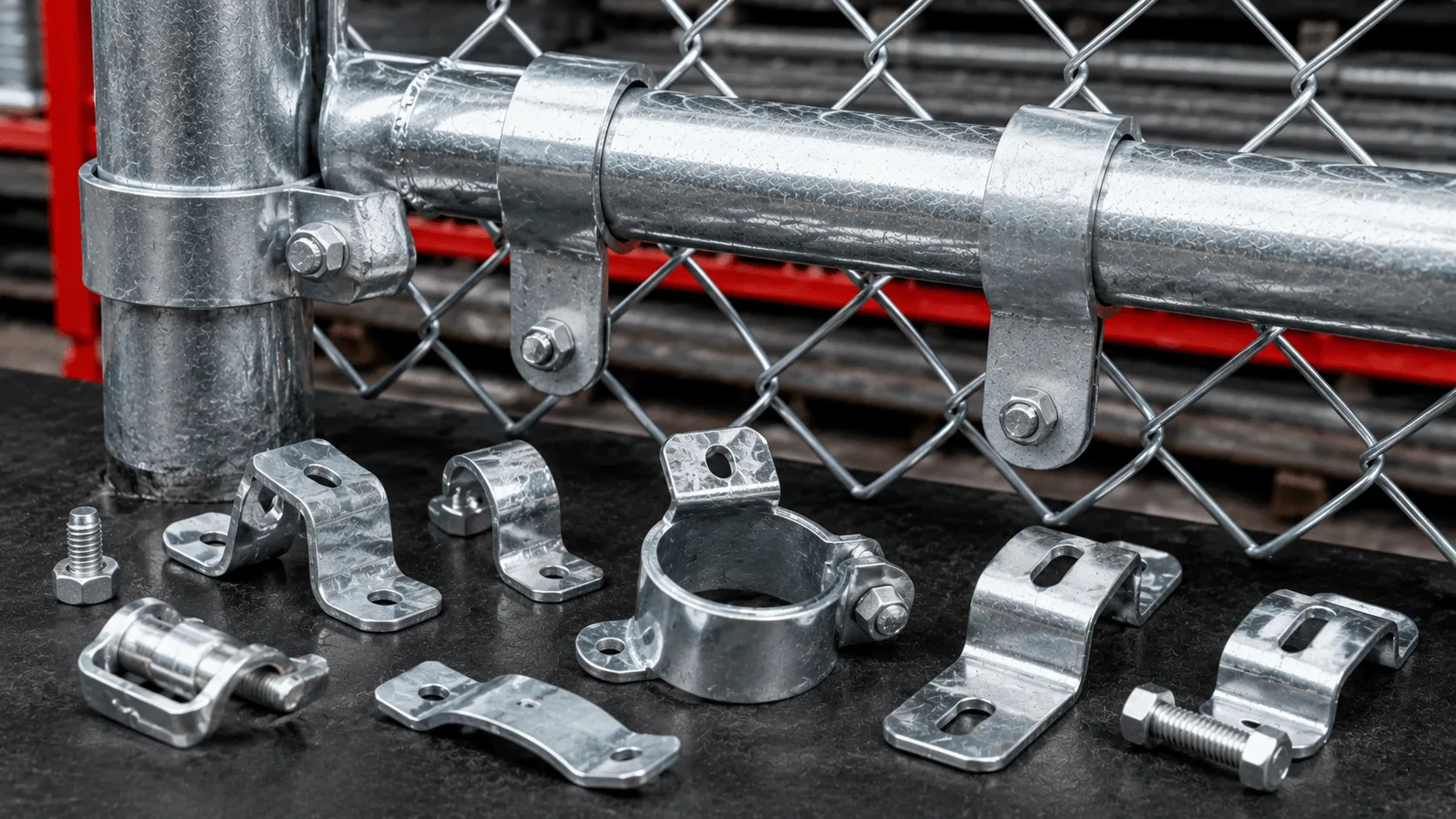
What Are Fence Strap Attachments and How Do They Work?
10 Sept 2026
Learn what fence strap attachments are, how they work and what to consider when choosing attachments for fencing pipe and framework.
 Fittings
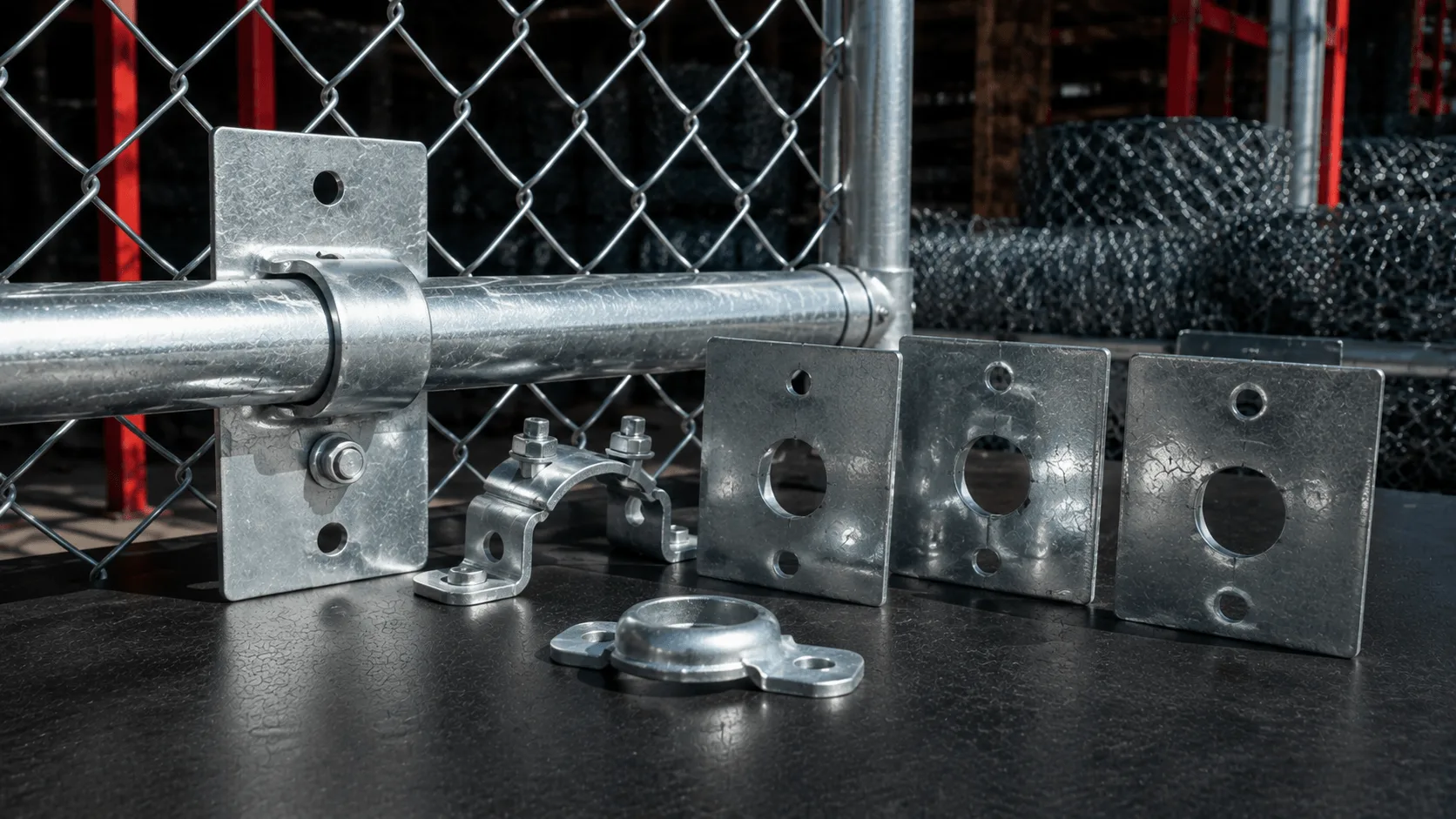
What Are Fence Back Plates and When Should You Use Them?
9 Sept 2026
Learn what fence back plates are, when to use them and how to choose the right size and finish for fencing pipe connections.
 Product Comparison
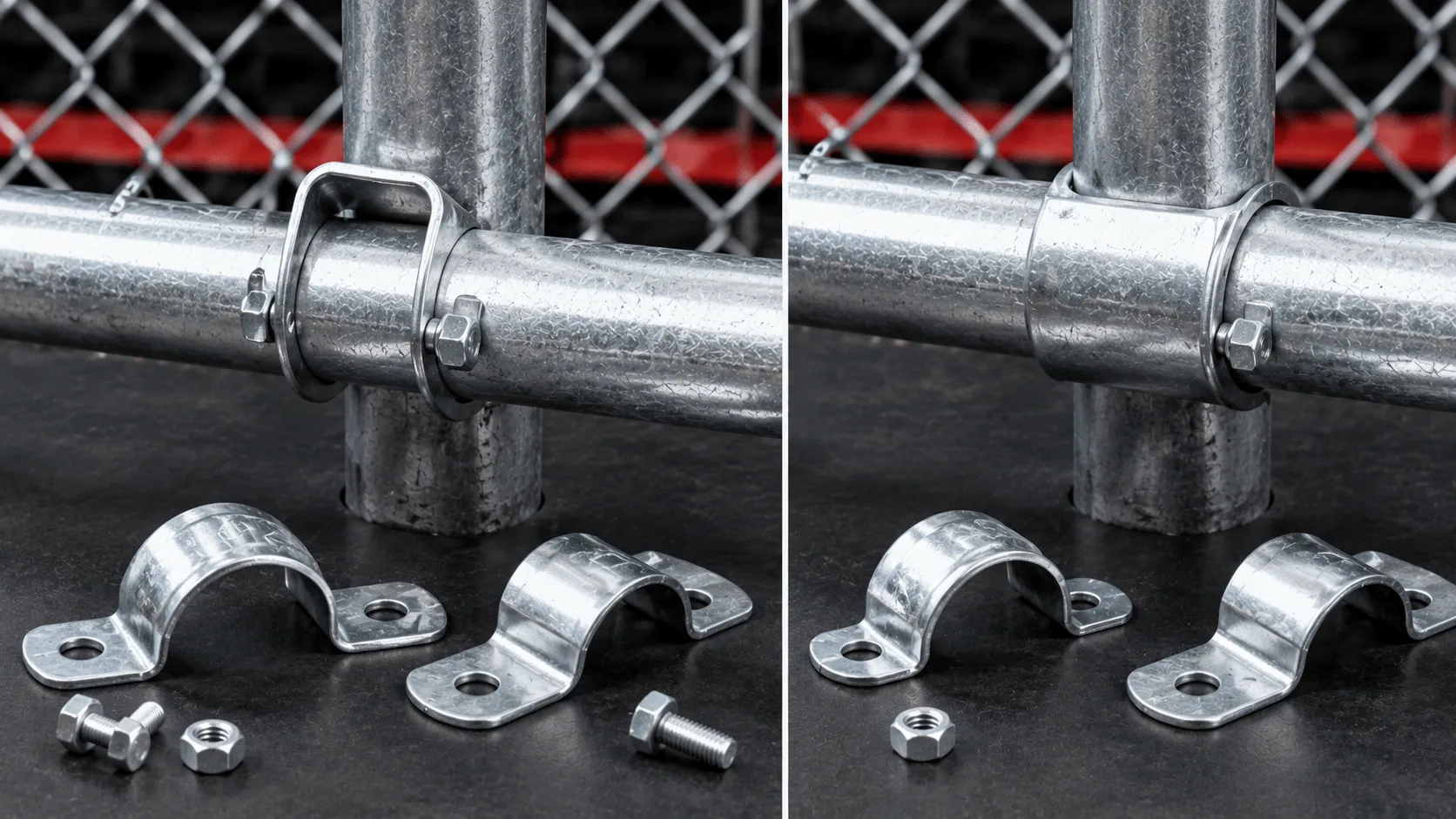
Loose Fit vs Tight Fit Pipe Straps: What's the Difference?
8 Sept 2026
Compare loose fit vs tight fit pipe straps, including sizing, finishes and key factors to check when choosing straps for fencing pipe.
Tell us about the fence.
One business day. That's how fast we come back with pricing once we have your quantity, finish and postcode.
Buying regularly? Apply for a credit account