
Why Logistics Facilities Choose Chain Link Security Fencing
Discover why logistics facility fencing commonly uses chain link mesh for security, visibility, durability, and access control.
Why Logistics Facilities Choose Chain Link Security Fencing
Introduction
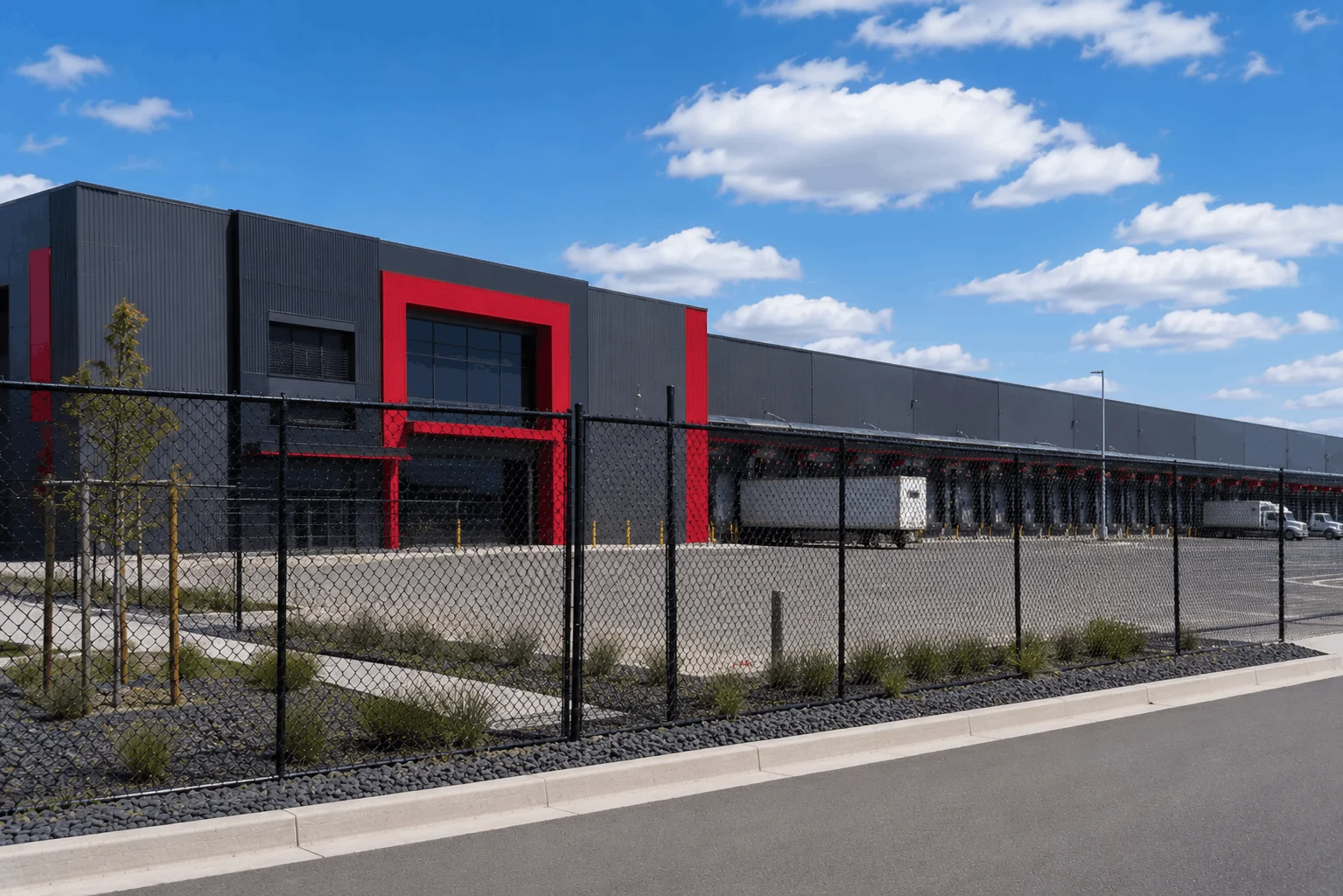
Effective logistics facility fencing is essential for protecting supply chains, inventory, vehicles, equipment, and personnel. Modern logistics facilities operate around the clock, managing constant movement of goods, transport vehicles, contractors, and employees. With so much activity occurring every day, perimeter security becomes a critical component of operational success.
Logistics hubs, distribution centres, freight terminals, and warehousing facilities all require security solutions that can withstand heavy use while maintaining clear visibility and controlled access. The fencing system must not only deter unauthorised entry but also support surveillance, traffic flow, and long-term durability.
At Supaguard Fencing, we understand the unique security challenges faced by logistics operations. This is why chain link fencing remains one of the most trusted perimeter solutions across Australia's logistics and transport sectors, offering a balance of security, practicality, and cost-effectiveness.
TLDR Guide
Logistics facility fencing often relies on chain link security fencing because it provides strong perimeter protection, excellent visibility, controlled access, and long-term durability.
Unlike solid fencing systems, chain link mesh allows security teams and surveillance systems to maintain clear sightlines across the facility while creating a robust physical barrier. When combined with double chainwire gates, structural pipe systems, and quality fittings, it forms a complete perimeter security solution.
Key advantages include:
- Strong perimeter security
- Excellent visibility for surveillance
- Efficient access control
- Long-term durability
- Low maintenance requirements
- Cost-effective protection for large sites
These benefits make chain link fencing one of the most practical security investments for logistics facilities.
Detailed Breakdown
Why Security Is Critical for Logistics Facilities
Logistics facilities play a vital role in the movement and storage of goods. These sites often contain valuable inventory, transportation assets, loading infrastructure, and sensitive operational systems.
Security risks commonly faced by logistics facilities include:
- Unauthorised access
- Theft of goods
- Vehicle intrusion
- Vandalism
- Trespassing
- Operational disruption
Because logistics operations frequently span large areas with multiple access points, perimeter security must be designed to protect assets without slowing operational efficiency.
An effective fencing system acts as the first line of defence while supporting smooth day-to-day operations.
Chain Link Mesh Delivers Reliable Perimeter Protection
One of the primary reasons logistics operators choose Chain Link Mesh is its ability to provide strong perimeter security across large properties.
Chain link fencing offers:
- Durable physical protection
- Resistance to environmental conditions
- Long service life
- Scalability for extensive sites
- Consistent security performance
The woven steel construction creates a robust barrier that helps deter unauthorized entry while maintaining operational practicality.
For logistics facilities that require security around warehouses, loading zones, storage yards, and vehicle compounds, chain link fencing remains a proven solution.
Visibility Supports Better Security Monitoring
Security is not just about creating barriers. It is also about maintaining visibility across the site.
One of the greatest advantages of chain link fencing is its open design, which allows clear sightlines throughout the perimeter.
This visibility benefits:
- Security personnel
- CCTV systems
- Vehicle monitoring
- Site supervisors
- Emergency response teams
Unlike solid fencing systems that may create blind spots, chain link mesh enables continuous observation of perimeter activity.
For facilities that rely on surveillance technology and active monitoring, visibility is a major security advantage.
Logistics Facilities Require Secure Access Control
Managing vehicle and personnel movement is one of the most important aspects of logistics security.
Facilities often accommodate:
- Delivery vehicles
- Freight trucks
- Staff vehicles
- Contractors
- Visitors
- Service providers
- This is where Double Chainwire Gates play a crucial role.
- Double chainwire gates provide:
- Wide access openings
- Controlled entry and exit points
- Compatibility with access control systems
- Consistent perimeter security
- Reliable long-term performance
By integrating secure gates into the fencing system, logistics facilities can maintain operational efficiency while protecting assets and infrastructure.
Pipe Systems Provide Structural Strength
Large logistics facilities often require kilometres of fencing to secure extensive perimeters.
The structural framework supporting the fence is therefore just as important as the mesh itself.
Industrial pipe systems contribute to:
- Fence stability
- Wind resistance
- Long-term durability
- Structural integrity
- Reliable performance under heavy use
Strong pipe frameworks help ensure that fencing systems remain secure and effective for many years, even in demanding industrial environments.
Fittings Are Essential for Fence Performance
Although they often receive less attention than fencing panels and gates, Fittings play a critical role in the performance of logistics facility fencing.
Quality fittings help:
- Secure fence components
- Maintain structural alignment
- Improve overall stability
- Reduce maintenance requirements
- Support long-term reliability
- Poor-quality fittings can weaken an otherwise effective security fence.
For this reason, fittings should always be considered an important part of a complete perimeter security solution.
Durability Reduces Long-Term Costs
Logistics facilities require fencing systems that can withstand constant use and environmental exposure.
Chain link fencing is particularly well suited to these environments because it offers:
- Excellent durability
- Corrosion resistance
- Minimal maintenance requirements
- Long service life
- Strong return on investment
This durability helps reduce lifecycle costs and minimises disruptions associated with repairs or replacement.
For facilities operating on tight schedules, reliability is just as important as security.
Chain Link Fencing Supports Future Security Upgrades
Security needs often evolve as logistics operations expand.
Chain link fencing provides flexibility for future enhancements, including:
- CCTV integration
- Access control systems
- Security lighting
- Intrusion detection technologies
- Perimeter monitoring systems
Because of its adaptable design, chain link fencing can continue supporting operational and security requirements as facilities grow.
Cost-Effective Security for Large Sites
Many logistics facilities occupy substantial areas that require extensive perimeter protection.
Chain link fencing offers a cost-effective solution because it combines:
- Affordable installation
- Long-term durability
- Low maintenance costs
- Effective security performance
- Scalability for large properties
This balance of affordability and performance is one of the primary reasons chain link fencing remains a preferred solution across the logistics sector.
Why Chain Link Security Fencing Remains the Preferred Choice
The logistics industry requires fencing systems that can balance security, visibility, durability, and operational efficiency.
Chain link fencing consistently delivers these benefits while remaining practical for large-scale facilities.
Its ability to integrate with gates, pipe structures, fittings, and modern security technologies makes it one of the most effective perimeter security solutions available for logistics operations.
Key Takeaways
Logistics facility fencing plays a vital role in protecting goods, vehicles, infrastructure, and operational continuity. Logistics operators require fencing systems that can provide strong security while supporting visibility, access control, and long-term durability.
Chain link mesh remains one of the most widely used solutions because it offers reliable perimeter protection without compromising site visibility. When combined with double chainwire gates, structural pipe systems, and quality fittings, it creates a comprehensive security solution capable of meeting the demands of modern logistics facilities.
Key points to remember include:
- Chain link mesh provides strong perimeter protection.
- Visibility supports surveillance and site monitoring.
- Double chainwire gates improve access control.
- Pipe systems contribute to structural integrity.
- Quality fittings support long-term performance.
- Chain link fencing offers excellent value for large logistics facilities.
By investing in a well-designed fencing system, logistics operators can improve security, support operational efficiency, and protect valuable assets for the long term.
FAQs
Why is chain link mesh commonly used for logistics facility fencing?
Chain link mesh provides strong perimeter security while maintaining visibility across the facility. This allows security personnel and surveillance systems to monitor activity more effectively. It also offers excellent durability and long-term value.
How do double chainwire gates improve logistics facility security?
Double chainwire gates provide secure access points for freight vehicles, delivery trucks, and authorised personnel. They help control movement into and out of the site while maintaining perimeter integrity. Their wide opening capability also supports efficient logistics operations.
Why is visibility important in logistics facility fencing?
Visibility allows security teams and CCTV systems to observe activity throughout the site without obstruction. This improves monitoring capabilities and helps identify potential security concerns more quickly. Clear sightlines are a major advantage of chain link fencing.
What role do fittings play in perimeter security fencing?
Fittings connect and secure the various components of the fencing system. High-quality fittings improve stability, structural integrity, and long-term performance. They are essential for maintaining a reliable security perimeter.
Is chain link fencing cost-effective for large logistics facilities?
Yes, chain link fencing is widely regarded as one of the most cost-effective security solutions for large properties. It combines affordable installation, durability, and low maintenance requirements. This makes it particularly suitable for extensive logistics and distribution sites.
More from the blog.
 Fittings
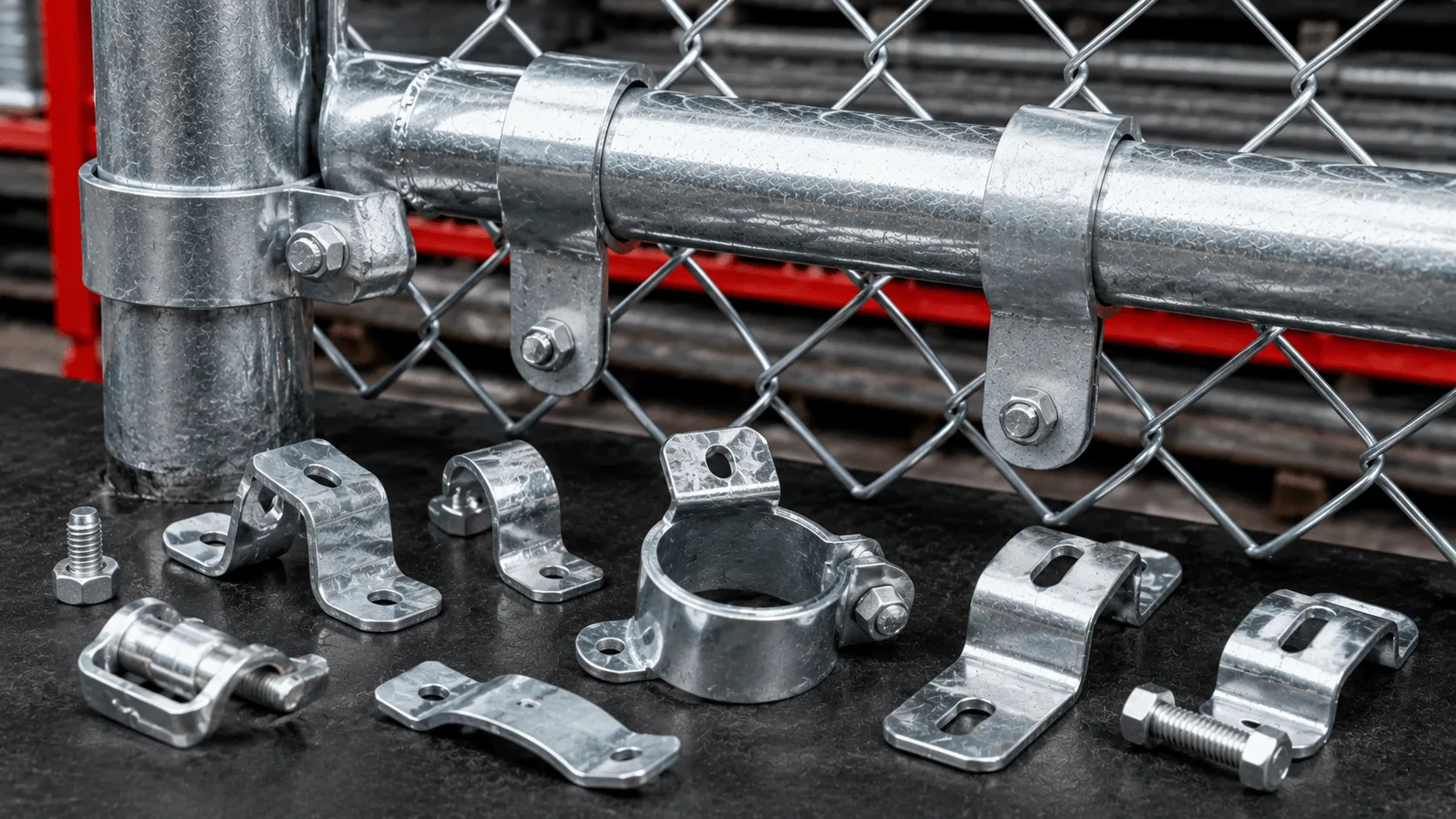
What Are Fence Strap Attachments and How Do They Work?
10 Sept 2026
Learn what fence strap attachments are, how they work and what to consider when choosing attachments for fencing pipe and framework.
 Fittings
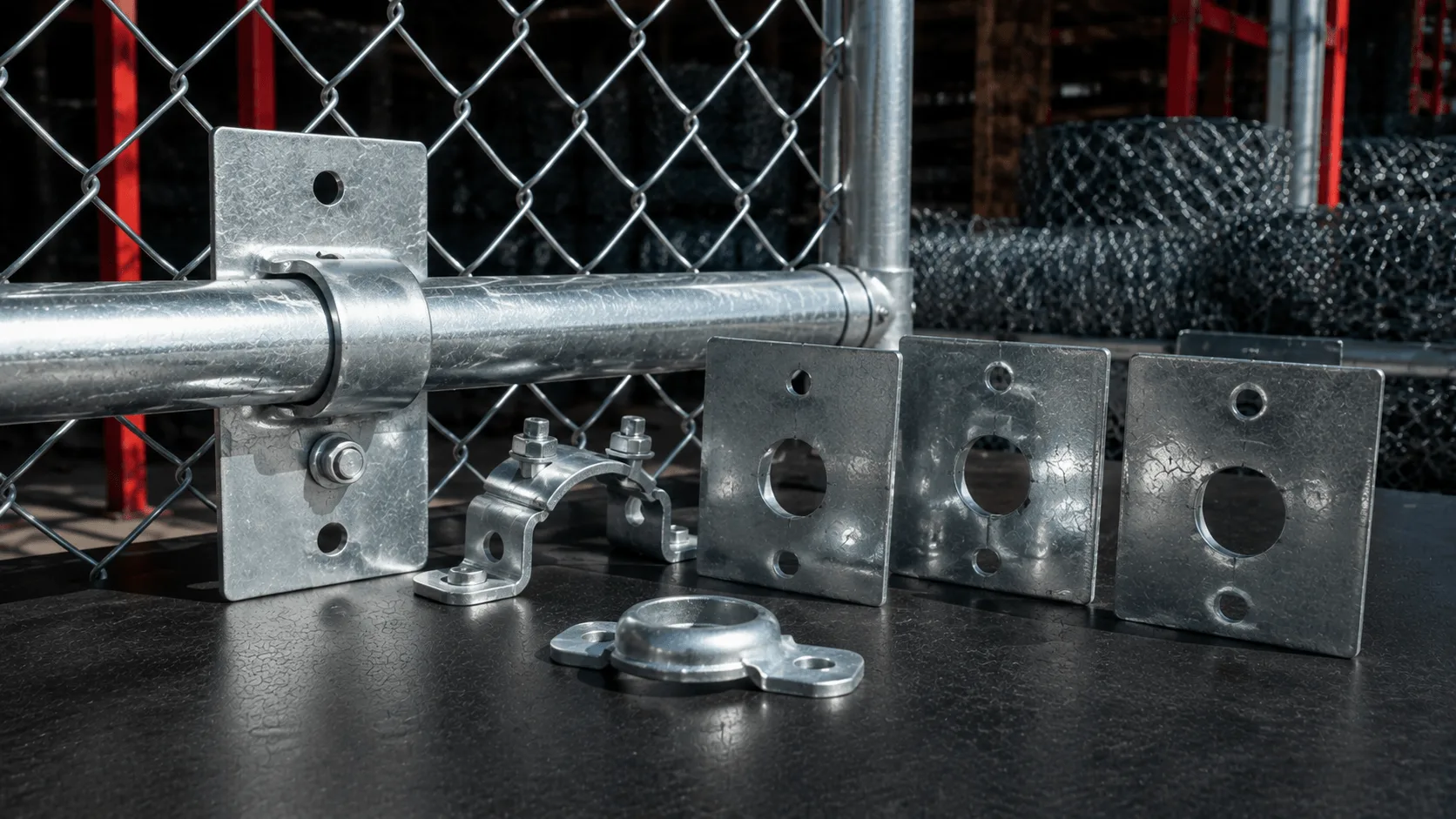
What Are Fence Back Plates and When Should You Use Them?
9 Sept 2026
Learn what fence back plates are, when to use them and how to choose the right size and finish for fencing pipe connections.
 Product Comparison
Loose Fit vs Tight Fit Pipe Straps: What's the Difference?
8 Sept 2026
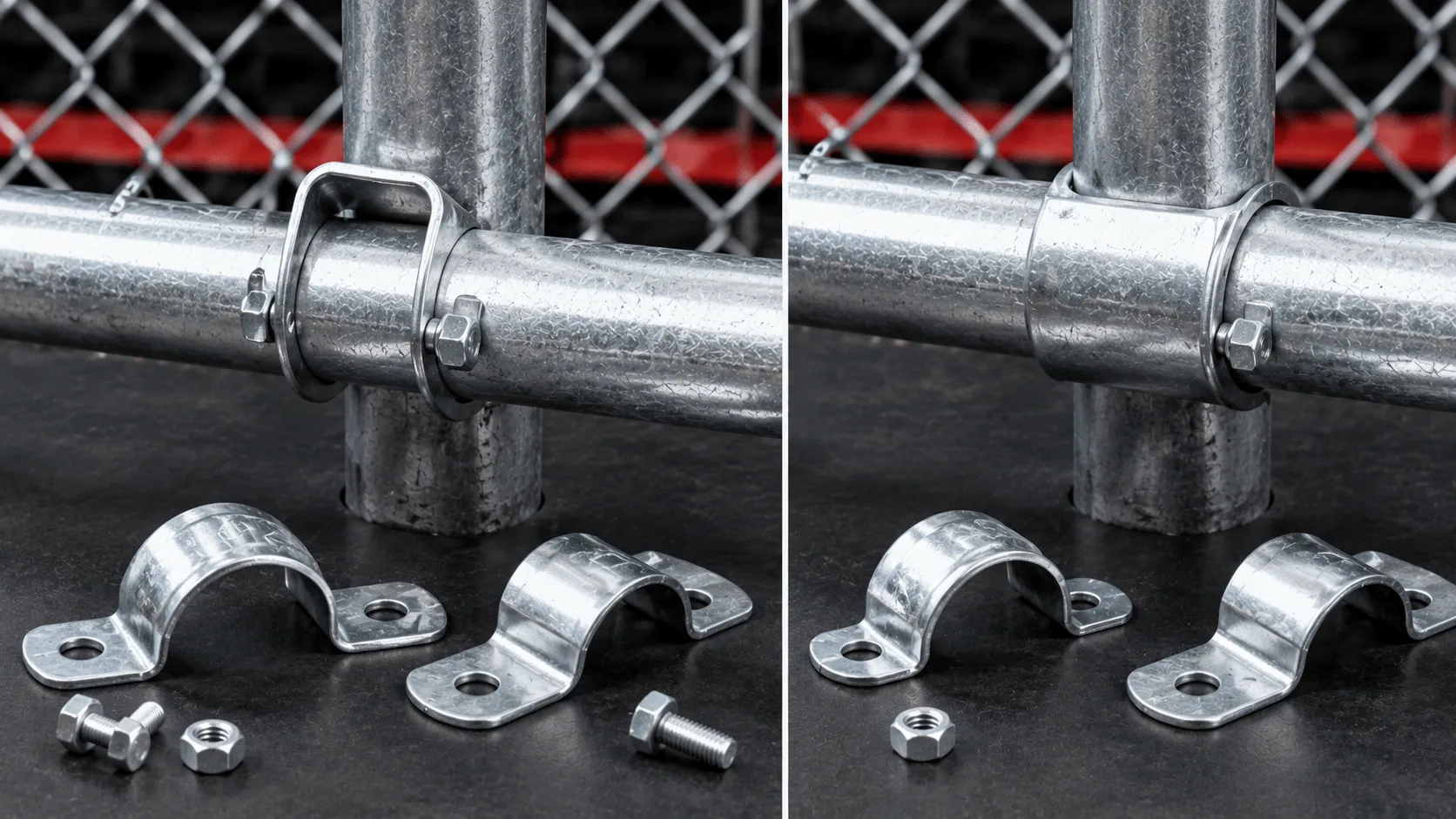
Compare loose fit vs tight fit pipe straps, including sizing, finishes and key factors to check when choosing straps for fencing pipe.
Tell us about the fence.
One business day. That's how fast we come back with pricing once we have your quantity, finish and postcode.
Buying regularly? Apply for a credit account