

What Are Multi-Purpose Fence Connectors and When Are They Used?
Learn what multi-purpose fence connectors are, when they are used and what to check when selecting fittings for chain link fencing.
Introduction
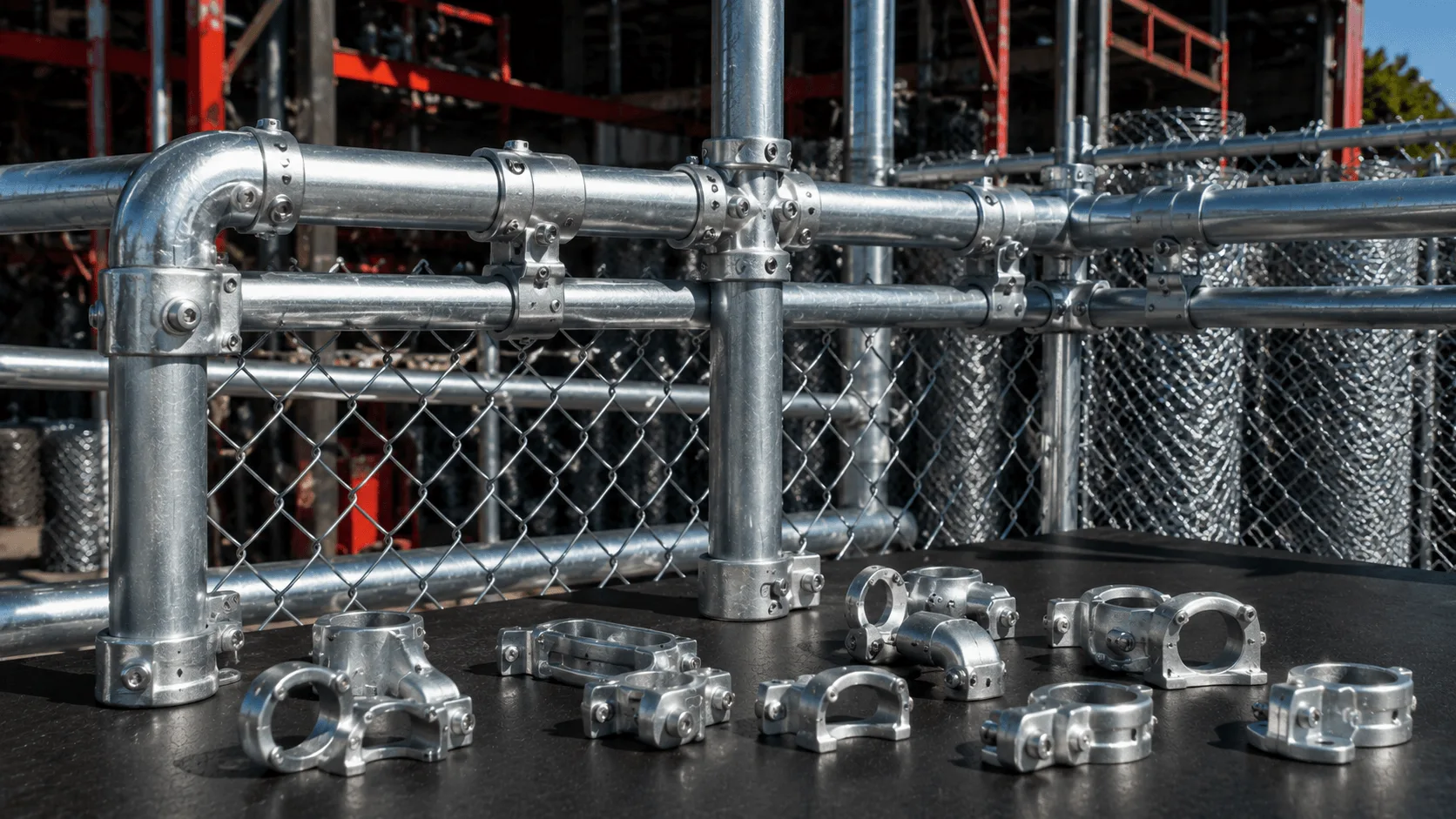
A chain link fence may look straightforward once it’s finished, but behind the mesh is a collection of fittings doing very specific jobs. Corners need connecting, rails need supporting, posts need finishing, and some framework arrangements call for a more versatile connection option.
That’s where multi-purpose fence connectors come in.
Multi-purpose fence connectors are part of the wider family of fittings used to bring suitable fencing framework components together. Rather than assuming they can replace every tee, corner, clamp or cross fitting, they should be selected according to the actual framework design and connection requirements.
Supaguard Fencing includes multi-purpose connectors within its broader range of fence fittings. For installers and contractors, these connectors provide another option when planning how pipe and framework components come together.
Versatile? Yes. A magic fitting for every possible connection? Not quite.
TLDR - Quick Guide
Here’s what you need to know about multi-purpose fence connectors:
They’re part of the fencing framework: Multi-purpose connectors help create suitable connections between fencing components.
They provide versatility: They offer another connection option alongside dedicated corner, tee, cross and clamp fittings.
They aren’t automatically universal: “Multi-purpose” doesn’t mean they should replace every other fitting.
Pipe compatibility matters: Always check that the connector suits the framework and pipe being used.
Finish matters: Choose a finish that works with the surrounding fencing components and project requirements.
The fence design comes first: Determine the connection required before selecting the fitting.
Plan the entire system: Mesh, pipe and fittings should work together rather than being ordered independently.
The simple rule? Choose the connector because it suits the connection, not just because “multi-purpose” sounds convenient.
Detailed Breakdown
What Are Multi-Purpose Fence Connectors?
Multi-purpose fence connectors are fittings designed to provide a versatile connection option within suitable fencing framework arrangements.
They sit within a broader range of Fencing Fittings, alongside components such as:
- Adjustable corners
- Corner fittings
- Cross fittings
- Tee fittings
- Rail clamps
- Post clamps
- Pipe straps
- Post caps
- Flange plates
- Base plates
Each fitting has a particular role within the framework. That’s why choosing something simply because it looks like it might fit isn’t a great installation strategy.
Multi-purpose fence connectors should be selected according to the pipe configuration, connection and overall fencing design.
How Do Multi-Purpose Fence Connectors Work?
At their simplest, multi-purpose fence connectors provide a way to create an appropriate connection within a compatible fencing framework.
The exact configuration depends on the connector and the fence being constructed. The starting point should therefore always be the framework rather than the fitting.
A sensible process is:
- Map the fence framework.
- Identify the connection you need to create.
- Determine the pipe and components involved.
- Check whether a multi-purpose connector is suitable.
- Confirm the required finish.
- Verify compatibility before installation.
- Install according to the fencing design and applicable requirements.
The words “multi-purpose” should give you options, not permission to skip the specification.
1. When Are Multi-Purpose Fence Connectors Used?
Multi-purpose connectors can be considered when the fencing framework calls for the type of connection the fitting is designed to provide.
The exact application should always be established from the product and project requirements.
They may be relevant when planning:
- Pipe framework connections
- Suitable non-standard framework arrangements
- Project-specific fence configurations
- Compatible framework modifications
- Connections where a versatile fitting is appropriate
However, don’t automatically assume that a multi-purpose connector can replace a corner, cross, tee or clamp.
Every connection still needs the right fitting for the job.
2. How Do They Fit Into Chain Link Fencing?
A Chain Link Fencing system involves considerably more than mesh.
Depending on the design, the complete fence may include:
- Chain link mesh
- Posts
- Pipe framework
- Wire
- Gates
- Corner connections
- Tee and cross fittings
- Clamps
- Fasteners
- Post caps
- Other specialist fittings
Multi-purpose fence connectors belong to the framework and fittings side of the system.
Their role should therefore be considered while planning how the framework comes together.
This system-first approach can also make ordering easier. Instead of purchasing a pile of different fittings and hoping they cover every connection, map each connection and identify what it actually requires.
3. Multi-Purpose Connectors vs Tee Fittings
Tee fittings are intended for a particular type of framework connection. A multi-purpose connector shouldn’t automatically be treated as another name for a tee fitting.
If your framework requires a defined tee connection and a dedicated tee fitting is specified, that should be your starting point.
Before choosing between the two, ask:
What connection is required?
What pipe is involved?
Is a dedicated tee fitting specified?
Is the multi-purpose connector suitable for the intended configuration?
What finish does the project require?
The fitting should follow the design, not whichever box happens to be closest on site.
4. Multi-Purpose Connectors vs Corner Fittings
The same principle applies to corners.
Corner fittings and adjustable corner fittings exist to accommodate particular corner configurations within fencing frameworks. If the design requires one of these connections, don’t assume multi-purpose fence connectors are automatic substitutes.
Corner geometry can affect how the framework needs to connect.
Before making a substitution, check:
- Pipe sizes
- Corner configuration
- Framework layout
- Fitting requirements
- Project specifications
Using the appropriate fitting from the start is generally much easier than rebuilding a corner later.
5. Multi-Purpose Connectors vs Cross Fittings
Cross fittings are another dedicated fitting category used for particular framework connections.
A multi-purpose connector may offer flexibility elsewhere, but its name alone doesn’t make it a universal substitute for a cross fitting.
When a dedicated fitting exists, determine whether the fence design calls for that component before choosing a more general-purpose option.
The rule across corners, tees and crosses is straightforward:
Identify the connection first. Select the fitting second.
6. Match Connectors With Fencing Pipe
Framework fittings and Fencing Pipe need to work together.
Before selecting a connector, identify the pipe specification used in the relevant section of the fence.
Check:
- Nominal bore
- Outside diameter
- Pipe specification
- Pipe finish
- Framework position
- Required connection
Don’t estimate compatibility by holding two components next to each other and deciding they look promising.
Where the available product information doesn’t provide enough detail to establish compatibility, confirm the correct fitting before purchasing or installing it.
7. Pay Attention to the Finish
Function is important, but finish also deserves attention.
The connector should be considered alongside the surrounding pipe, fittings and other visible framework components.
Check:
- Finish of the pipe
- Finish of nearby fittings
- Overall fence appearance
- Environmental conditions
- Project requirements
- Choosing coordinated components helps create a more consistent finished installation.
A connector might physically work, but if it doesn’t meet the required finish specification, it can still be the wrong product for the project.
8. Where Versatility Becomes Valuable
Not every fencing project follows a simple rectangular layout.
A straightforward boundary might contain long runs and conventional corners. A more involved installation could include gates, changes in direction, different framework arrangements and site-specific connections.
That’s where versatile fittings can become useful.
Before ordering multi-purpose fence connectors, map:
- Every straight run.
- Every corner.
- Every intersection or branch.
- Every gate opening.
- Every termination point.
- Every unusual framework connection.
Once that’s done, you can identify where dedicated fittings are required and where a multi-purpose connector may be appropriate.
9. Check Before Making Substitutions
Running short of a particular fitting halfway through installation can make substitution tempting.
But “this one looks close enough” isn’t much of a technical specification.
Before replacing another fitting with a multi-purpose connector, confirm:
- The connector is suitable for the intended application.
- It works with the relevant pipe.
- It can create the required framework connection.
- The finish meets the project requirements.
- The substitution doesn’t conflict with the fencing design.
- If those points can’t be verified, confirm the correct component before proceeding.
- A short delay is generally preferable to rebuilding part of the framework later.
10. Plan Connectors Before Installation Starts
Good fencing installation starts well before anyone picks up a tool.
Review the fence layout, measure the required runs and prepare a component list covering each framework connection.
Your fittings checklist might include:
- Multi-purpose connectors
- Adjustable corners
- Standard corner fittings
- Tee fittings
- Cross fittings
- Rail clamps
- Post clamps
- Post caps
- Pipe straps
- Other required hardware
- Then check quantities, sizes and finishes.
This approach turns your fittings order into a planned system rather than a lucky dip.
Common Mistakes With Multi-Purpose Fence Connectors
Assuming “Multi-Purpose” Means Universal
It doesn’t. Multi-purpose fence connectors still need to be checked for suitability with the intended fencing configuration.
Ignoring Pipe Compatibility
A connector is only useful if it works with the framework you’re building. Verify the pipe and fitting requirements before installation.
Replacing Dedicated Fittings Without Checking
Corner, tee and cross fittings have defined roles within fencing frameworks. Don’t substitute a multi-purpose connector without first confirming that it’s suitable.
Forgetting About Finish
Finish should form part of the order specification rather than becoming an afterthought once installation starts.
Guessing Missing Specifications
If a product specification doesn’t provide a dimension, capacity or application detail you need, don’t invent one. Confirm the missing information before making the purchasing decision.
Key Takeaways
Multi-purpose fence connectors provide versatility. They offer another connection option within suitable fencing framework configurations.
Multi-purpose doesn’t mean universal. Always confirm that the connector is appropriate for the intended connection.
Plan the framework first. Identify pipe connections, corners, intersections and other changes before deciding which fittings are required.
Don’t automatically replace dedicated fittings. Tee, corner, cross and adjustable corner fittings have specific roles within fencing frameworks.
Check pipe compatibility. Connectors, pipe and surrounding components need to work together as a system.
Choose the appropriate finish. Coordinate connectors with the surrounding framework and project requirements.
Never guess missing technical details. If compatibility or the intended application isn’t clear, verify it before installation.
Order fittings as a complete package. Planning all connection points at once can help reduce shortages, incorrect substitutions and delays on site.
FAQs
What are multi-purpose fence connectors?
Multi-purpose fence connectors are fittings designed to provide a versatile connection option within compatible fencing frameworks. They sit alongside more specialised components such as tee, cross, corner and adjustable corner fittings. Their appropriate use depends on the particular connector and fencing configuration.
When should you use a multi-purpose fence connector?
Use a multi-purpose connector where it is suitable for the connection required by the fence design. You should first check the framework, pipe and project requirements rather than assuming the fitting can be used anywhere. Where suitability isn’t clear, confirm the intended application before installation.
Can multi-purpose connectors replace corner or tee fittings?
They shouldn’t automatically be treated as replacements for dedicated corner or tee fittings. Those products are intended for particular framework connections, while a multi-purpose connector has its own appropriate applications. Verify any proposed substitution against the fence design and fitting requirements.
Do multi-purpose fence connectors need to match the fencing pipe?
Yes, compatibility with the fencing framework should be confirmed before installation. Check the relevant pipe dimensions, specification, finish and required connection when selecting a connector. Don’t assume that a fitting is compatible simply because it appears to fit.
How do I choose the right connector for my fence?
Start by identifying the exact framework connection and the pipe being used at that location. Compare those requirements with the available fittings and choose a product suited to the configuration. If compatibility isn’t clear, Contact Supaguard Fencing before ordering.
More from the blog.
 Fittings
What Are Fence Strap Attachments and How Do They Work?
10 Sept 2026
Learn what fence strap attachments are, how they work and what to consider when choosing attachments for fencing pipe and framework.
 Fittings
What Are Fence Back Plates and When Should You Use Them?
9 Sept 2026
Learn what fence back plates are, when to use them and how to choose the right size and finish for fencing pipe connections.
 Product Comparison
Loose Fit vs Tight Fit Pipe Straps: What's the Difference?
8 Sept 2026
Compare loose fit vs tight fit pipe straps, including sizing, finishes and key factors to check when choosing straps for fencing pipe.
Tell us about the fence.
One business day. That's how fast we come back with pricing once we have your quantity, finish and postcode.
Buying regularly? Apply for a credit account