
How to Select the Right Security Fence Fittings for Your Project
Learn how to select the right security fence fittings for your project with expert tips on quality, compatibility, and durability.
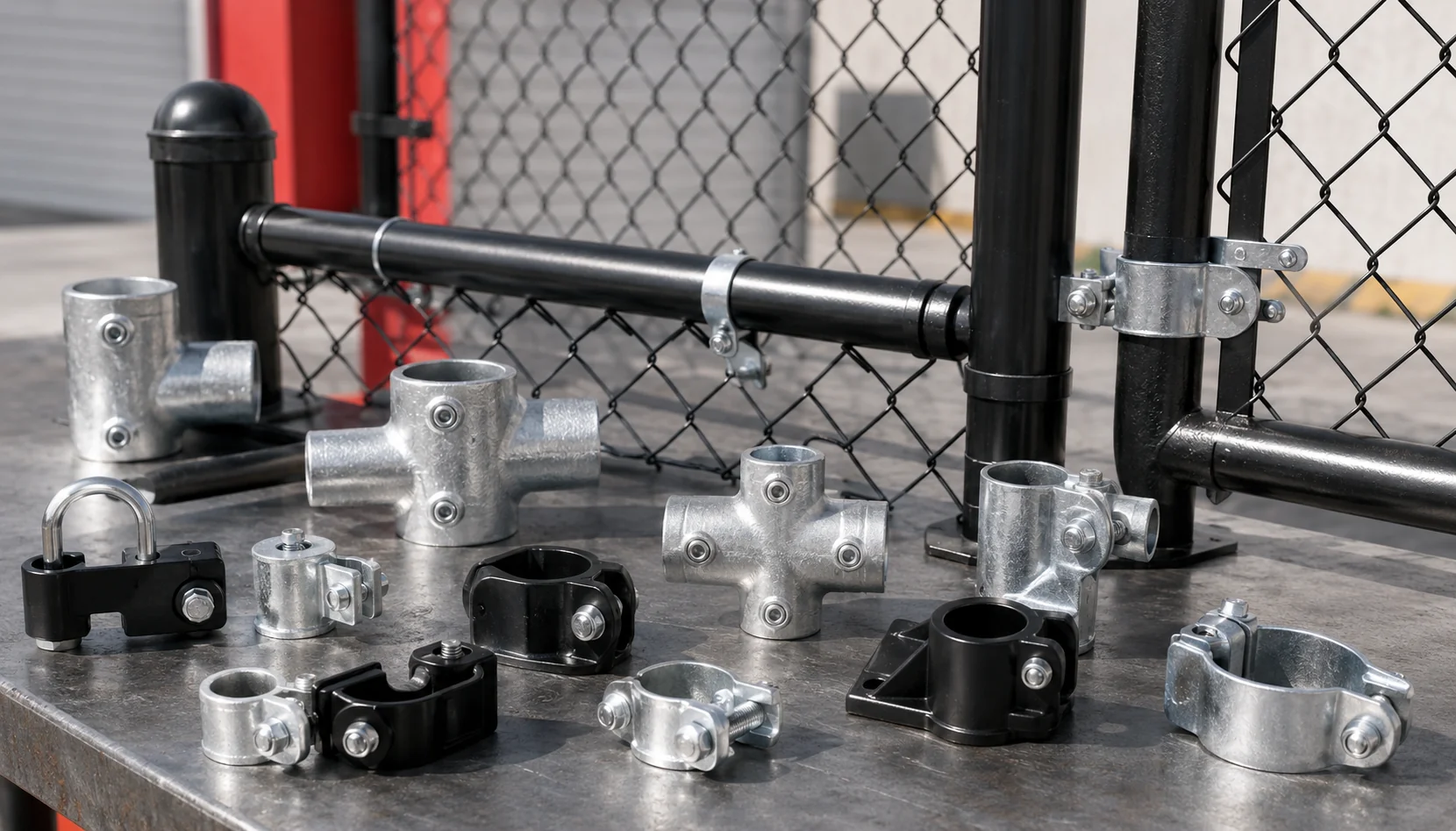
A security fence is only as strong as the components holding it together. While fence panels and posts often receive the most attention, the fittings play a critical role in ensuring the entire system remains secure, durable, and reliable for years to come.
If you're looking to select the right security fence fittings, understanding the purpose of each component is essential. The right fittings not only improve the structural integrity of your fence but also simplify installation and reduce long-term maintenance costs.
Working with an experienced supplier like Supaguard Fencing gives you access to quality fencing components designed to perform in Australia's demanding conditions. From fittings and pipe to chain link mesh, choosing compatible products from a trusted supplier can make all the difference to your project's success.
TLDR – Quick Guide
To select the right security fence fittings, remember to:
- Choose fittings that are compatible with your fencing system.
- Invest in corrosion-resistant materials.
- Match fittings with the correct pipe size and fence type.
- Buy from an experienced supplier.
- Consider long-term durability rather than upfront cost.
- Ensure all fencing components work together seamlessly.
Detailed Breakdown
Understand the Purpose of Security Fence Fittings
Security fence fittings are the connectors that hold your fencing system together. They secure fence posts, rails, mesh, gates, and other structural components, helping maintain the fence's strength and stability.
Choosing the wrong fittings can result in loose connections, reduced security, and increased maintenance over time. That's why it's important to select the right security fence fittings based on your specific project requirements.
Explore the complete range of Fittings designed for commercial and industrial fencing applications.
Choose High-Quality Materials
Not all fence fittings are manufactured to the same standard.
Quality fittings are typically made from galvanised steel or other corrosion-resistant materials that can withstand Australia's harsh climate. Investing in durable components helps prevent rust, structural weakness, and premature replacement.
High-quality fittings also contribute to a safer and more secure fencing system, particularly in high-traffic or high-security environments.
Ensure Compatibility with Your Fence System
One of the most important factors when you select the right security fence fittings is ensuring they are compatible with the rest of your fencing system.
Consider whether the fittings are suitable for:
- Fence post diameter
- Rail size
- Chain link mesh
- Gate hardware
- Overall fence design
Using compatible components helps improve installation efficiency while ensuring the fence performs as intended.
If your project includes chain wire fencing, selecting compatible Chain Link Mesh and fittings is essential for achieving a secure and professional finish.
Match Your Fittings to the Right Pipe
Fence fittings are designed to work with specific pipe sizes and wall thicknesses.
Before ordering, confirm that your fittings match the dimensions of your fence posts and rails. Incorrect sizing can create weak connection points that compromise the overall strength of the fence.
Quality Pipe paired with correctly sized fittings provides a strong foundation for commercial and industrial fencing systems.
Consider the Environment
Environmental conditions should always influence your choice of fittings.
For coastal areas, corrosion resistance becomes especially important due to salt exposure. Industrial sites may require heavy-duty fittings capable of handling increased wear and tear, while schools and sporting facilities often benefit from durable, low-maintenance components.
Selecting products suited to your environment helps maximise the lifespan of your fencing investment.
Think Beyond the Initial Purchase Price
It can be tempting to choose the least expensive fittings available, but lower-priced products may not provide the same durability or reliability.
Instead, focus on long-term value by considering:
- Material quality
- Corrosion resistance
- Strength
- Expected lifespan
- Maintenance requirements
Premium fittings often reduce ongoing repair costs while improving the overall performance of your fencing system.
Buy from a Trusted Supplier
Choosing the right supplier is just as important as selecting the right products.
An experienced supplier can help you identify the most suitable fittings for your fencing application while ensuring compatibility between all components.
By working with Supaguard Fencing, you gain access to a comprehensive range of fencing products, knowledgeable advice, and dependable customer support throughout your project.
If you're unsure which fittings best suit your needs, don't hesitate to Contact the experienced team for expert recommendations.
Common Mistakes to Avoid
When trying to select the right security fence fittings, avoid these common mistakes:
- Choosing fittings based solely on price.
- Mixing incompatible fencing components.
- Ignoring corrosion resistance.
- Selecting incorrect pipe sizes.
- Overlooking future maintenance requirements.
- Purchasing from suppliers with limited product knowledge.
Avoiding these issues helps improve installation quality while extending the life of your fencing system.
Key Takeaways
Knowing how to select the right security fence fittings is essential for building a secure, durable, and long-lasting fencing system.
The right fittings improve structural strength, simplify installation, and reduce maintenance over time. By choosing quality products, ensuring compatibility between components, and working with an experienced supplier like Supaguard Fencing, you can complete your project with confidence and enjoy reliable performance for years to come.
FAQs
1. Why are security fence fittings important?
Security fence fittings connect the various components of your fencing system and help maintain its structural integrity. High-quality fittings improve stability, durability, and overall security. Choosing the correct fittings also reduces maintenance and extends the lifespan of your fence.
2. How do I select the right security fence fittings?
Start by considering your fence design, pipe size, and intended application. Choose corrosion-resistant materials that are compatible with the rest of your fencing system. Purchasing from an experienced supplier also helps ensure you receive the correct components.
3. Can I use any fittings with chain link fencing?
No. Fittings should always be compatible with the specific chain link mesh, pipe sizes, and gate hardware used in your project. Using mismatched components can weaken the fence and make installation more difficult. Choosing products designed to work together delivers better long-term performance.
4. What materials are best for security fence fittings?
Galvanised steel is one of the most popular options because it offers excellent strength and corrosion resistance. Depending on the environment, other protective coatings may also be suitable. Selecting quality materials helps maximise durability and minimise maintenance.
5. Where can I get advice on choosing fence fittings?
Speaking with an experienced supplier is the best way to ensure you're selecting the right components for your project. They can recommend suitable fittings, answer technical questions, and help you choose compatible products. To discuss your requirements, simply Contact the team at Supaguard Fencing for expert assistance.
More from the blog.
 Fittings
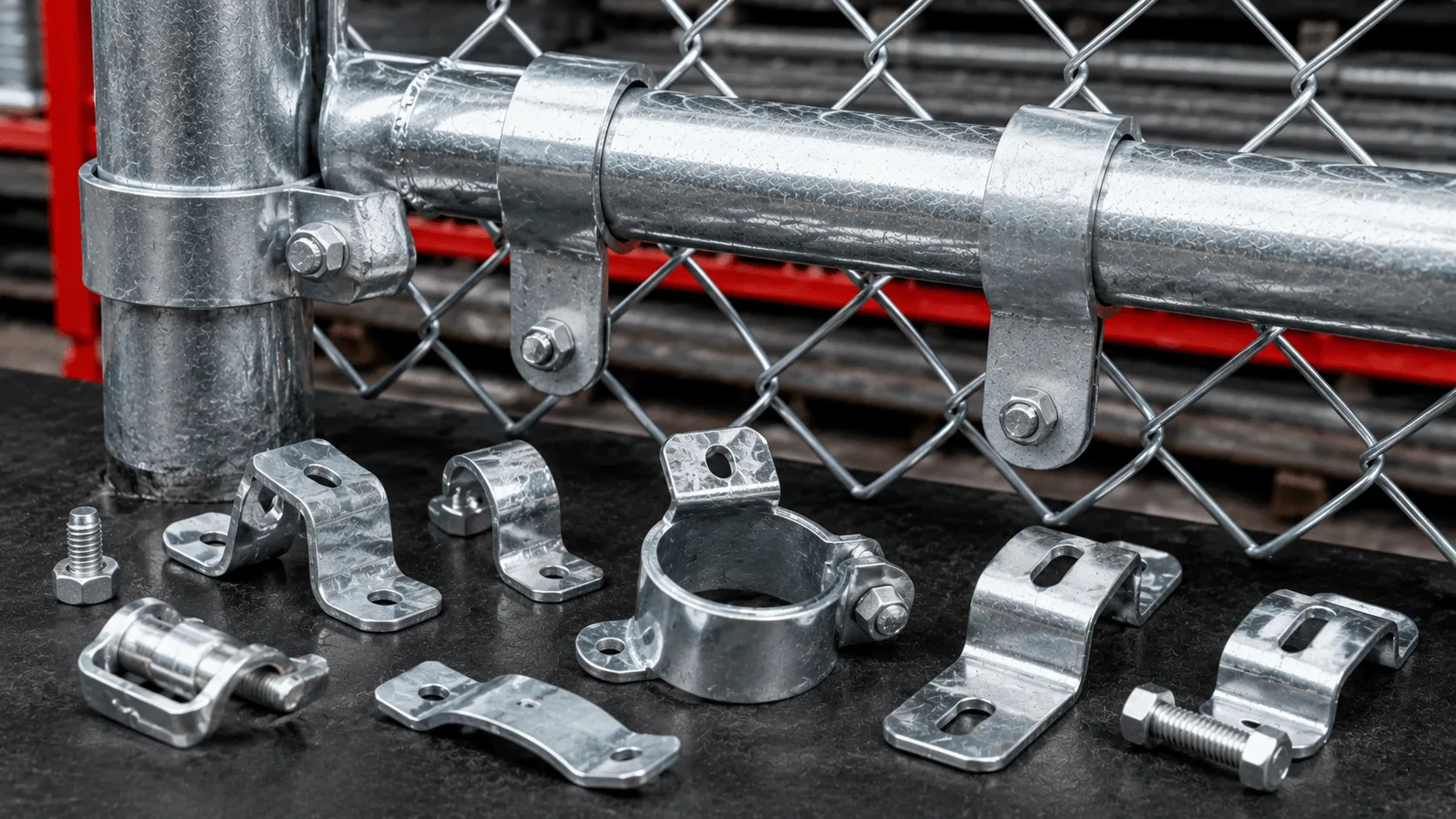
What Are Fence Strap Attachments and How Do They Work?
10 Sept 2026
Learn what fence strap attachments are, how they work and what to consider when choosing attachments for fencing pipe and framework.
 Fittings
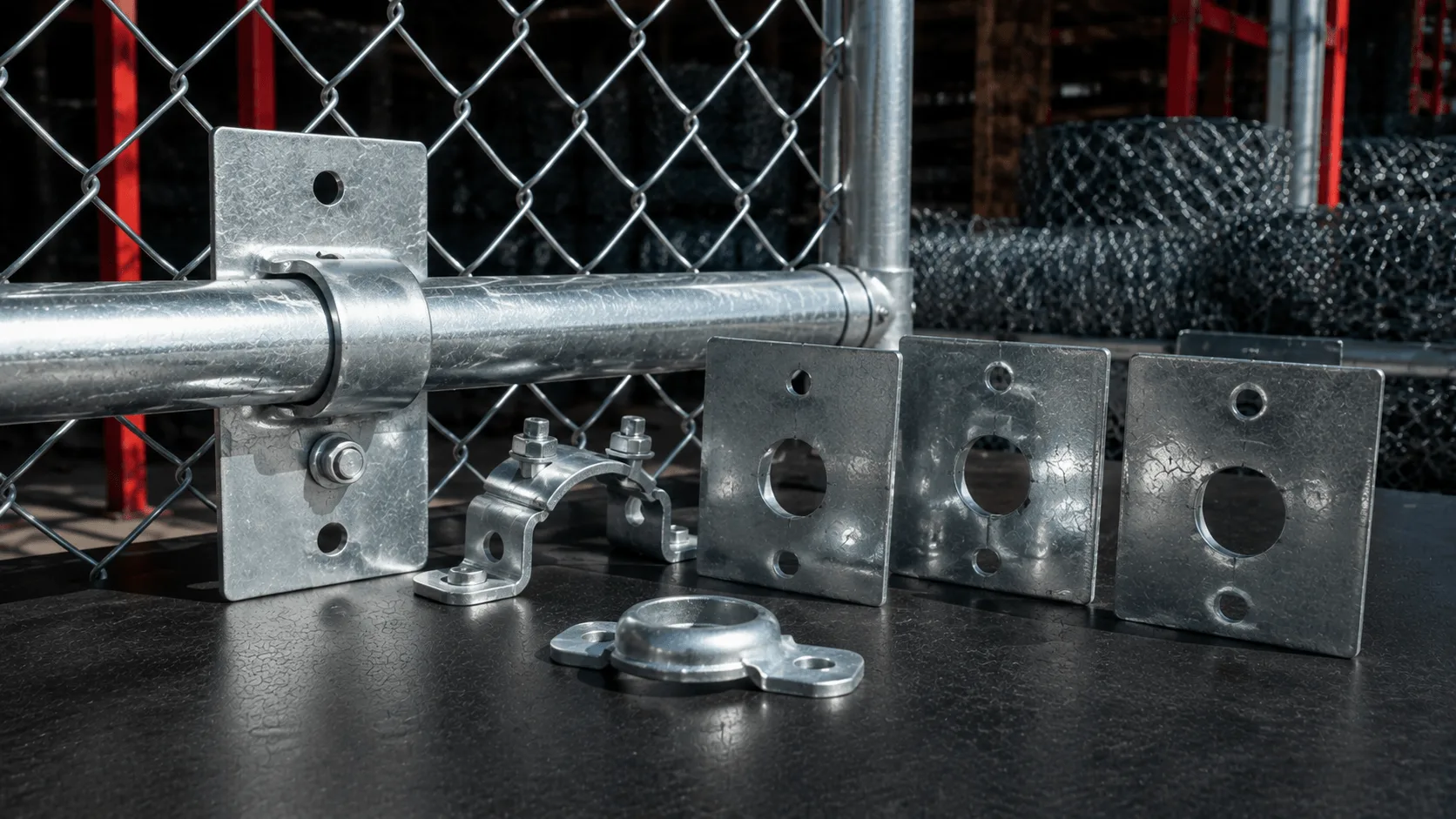
What Are Fence Back Plates and When Should You Use Them?
9 Sept 2026
Learn what fence back plates are, when to use them and how to choose the right size and finish for fencing pipe connections.
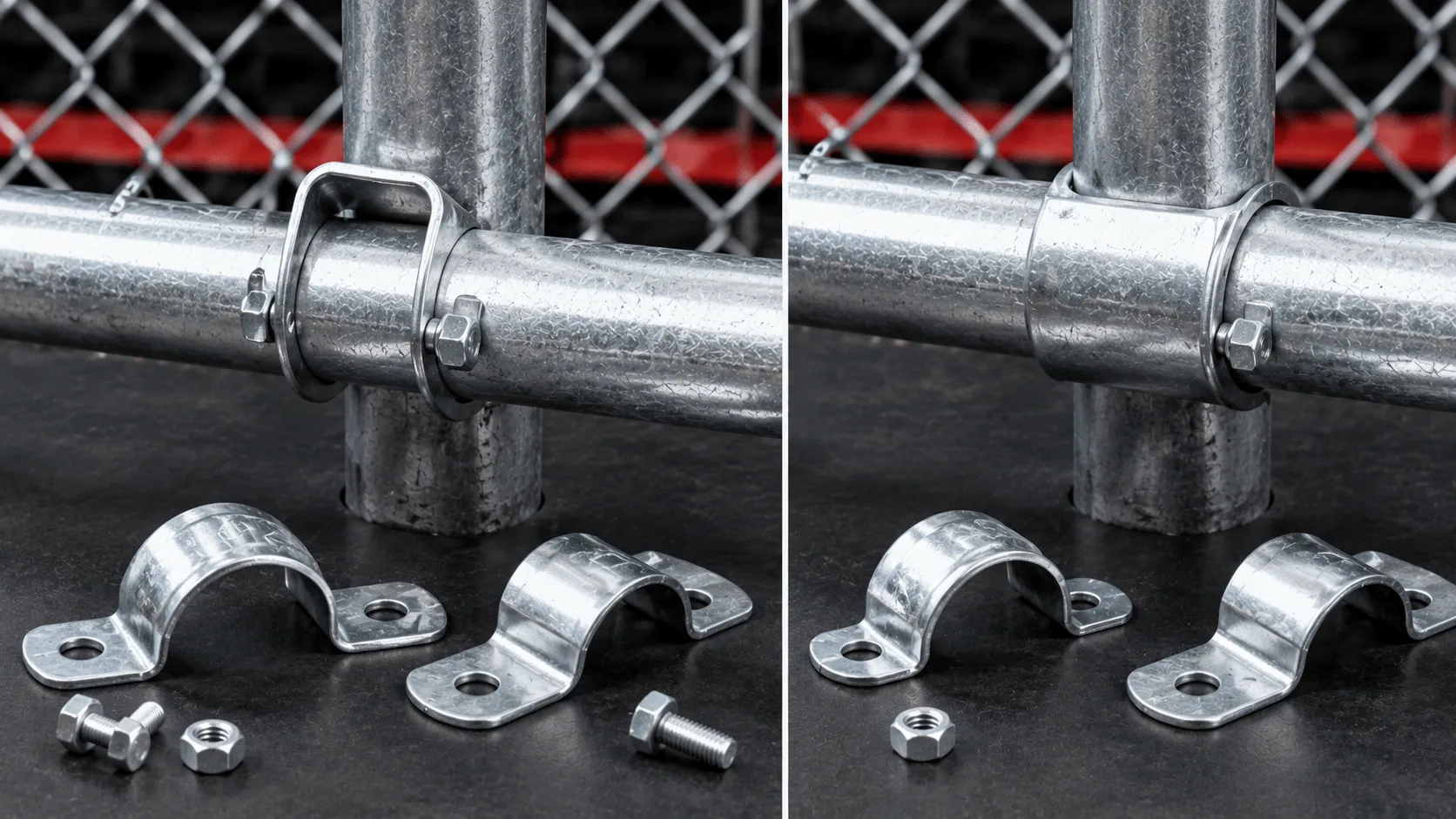 Product Comparison
Loose Fit vs Tight Fit Pipe Straps: What's the Difference?
8 Sept 2026
Compare loose fit vs tight fit pipe straps, including sizing, finishes and key factors to check when choosing straps for fencing pipe.
Tell us about the fence.
One business day. That's how fast we come back with pricing once we have your quantity, finish and postcode.
Buying regularly? Apply for a credit account