
When Should You Use Touch Up Spray for Galvanised Fencing?
Learn when to use touch up spray for galvanised fencing on cuts, scratches and installation damage, plus what to check before application.
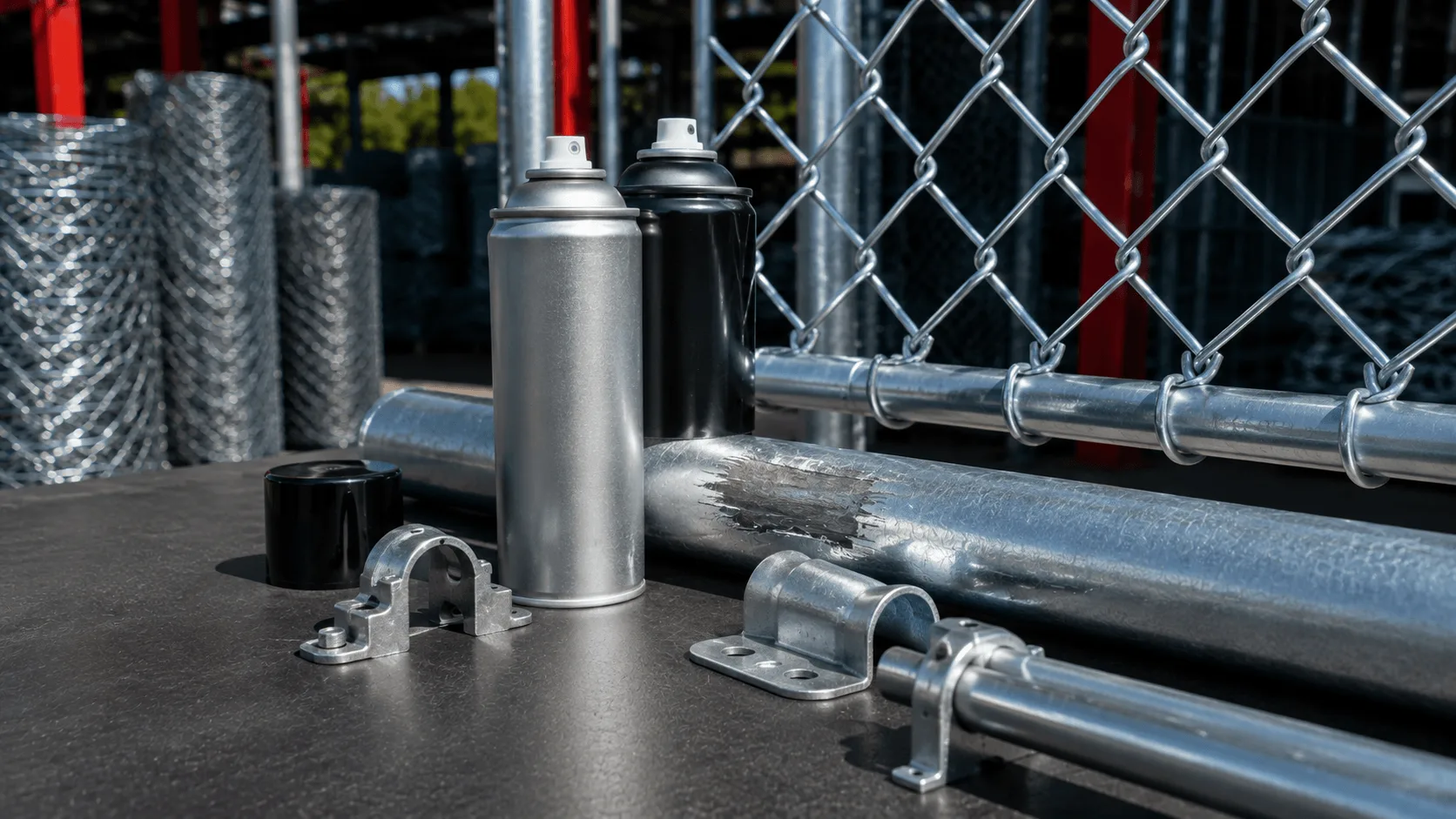
Touch Up Spray for Galvanised Fencing: When and Why to Use It
Introduction
Galvanised fencing is built for outdoor service, but fabrication and installation don't always leave every surface untouched. Cutting pipe, drilling, handling components and general site work can leave small areas where the original finish has been disturbed.
That's where touch up spray for galvanised fencing enters the picture.
Touch up spray is intended for localised finishing work rather than coating an entire fence. It can be useful when small areas need attention after fabrication, handling or installation, provided the product is appropriate for the substrate and the surface is prepared according to its instructions.
Australian manufacturer Supaguard Fencing lists a Silver Touch Up Spray (product code PNTGAL) within its fencing accessories range, alongside a separate Black Touch Up Spray.
The key word here is touch up. This is a precision job, not an excuse to give the whole fence an aerosol makeover.
TLDR - Quick Guide
Consider touch up spray for galvanised fencing when small areas of the relevant finish have been disturbed during fabrication, transport or installation.
After cutting: Cut ends may require attention depending on the product and project specification.
After drilling or fabrication: Work performed on galvanised components can affect localised areas of the finish.
After scratches or handling damage: Small damaged areas may warrant inspection and appropriate touch-up treatment.
During installation: Check posts, pipe, gates and fittings for areas affected during site work.
Use the correct product: Supaguard lists silver and black touch-up sprays as separate products.
Follow the specification: Surface preparation and application should follow the spray manufacturer's directions and relevant project requirements.
In short, inspect first and touch up where appropriate. Don't simply spray first and ask questions later.
Detailed Breakdown
What Is Touch Up Spray for Galvanised Fencing?
Touch up spray for galvanised fencing is a coating product used for localised finishing or maintenance of suitable fencing surfaces.
Supaguard's catalogue identifies its relevant product as PNTGAL Silver Touch Up Spray. It appears under the spray paint section of the company's fencing accessories range, alongside PNTBLK Black Touch Up Spray.
That distinction matters because fencing systems are available in different finishes. Selecting the appropriate touch-up product should therefore start with identifying what you're actually working on.
Before application, confirm:
- Existing fence finish
- Area requiring attention
- Touch-up product specification
- Surface preparation requirements
- Application instructions
- Relevant project requirements
A silver can sitting in the ute isn't automatically the answer to every scratched fence.
1. After Cutting Galvanised Fencing Components
Cutting is one of the most obvious times to inspect a galvanised fencing component.
Fencing Pipe may need to be cut to suit project dimensions. Whenever fabrication alters a finished component, inspect the affected area and determine whether local touch-up treatment is required under the applicable product or project specification.
The sensible workflow is:
- Complete the required cut.
- Inspect the affected surface.
- Remove any material that needs to be cleared before treatment.
- Prepare the area according to the touch-up product instructions.
- Apply the specified product where required.
- Allow it to dry or cure as directed.
Don't automatically assume that spraying over an unprepared surface produces a satisfactory repair. Preparation and product instructions matter.
2. After Drilling or Other Fabrication
Cutting isn't the only fabrication process that can affect a finished surface.
Drilling, grinding or other modifications may create localised areas requiring inspection. If the project involves modifying galvanised components, include finish inspection as part of the fabrication process rather than treating it as an afterthought.
This is particularly relevant when preparing posts, rails, brackets or other structural components for installation.
When modifications are complete, ask:
- Has the existing finish been disturbed?
- Is local treatment specified?
- Is the surface ready for the touch-up product?
- Does the repair need to meet a particular project requirement?
That final question is especially important on specified commercial and security fencing projects.
3. After Scratches and Handling Damage
Fencing components have a journey before they become a fence.
They can be stored, transported, unloaded, moved around site and positioned before installation is complete. During those stages, scratches and other localised surface damage can occur.
That doesn't mean every tiny mark needs a dramatic intervention. It does mean visible damage should be inspected.
When deciding whether to use touch up spray for galvanised fencing, look at the affected area and check the product and project requirements rather than automatically covering every mark.
A deliberate inspection is better than indiscriminate spraying.
4. During Pipe Installation
Pipe is one of the areas worth checking during and after installation because it can undergo cutting, handling and connection to other components.
Supaguard supplies fencing pipe alongside mesh, gates, wire, accessories and fittings as part of its chain link security fencing range.
When installing pipe, inspect:
- Cut ends
- Fabricated areas
- Areas affected by tools
- Contact points that have sustained visible damage
- Other locations where the finish appears disturbed
Where appropriate, touch up spray for galvanised fencing can then form part of the finishing process.
The idea isn't to hide poor workmanship. It's to identify localised areas requiring proper attention before the job is considered finished.
5. Check Fittings After Installation
Fencing Fittings deserve the same inspection.
Supaguard lists numerous fittings in GAL / PVC BLACK finishes, including gate hinges, adjustable corners, corner fittings, cross fittings, tee fittings, post caps, rail clamps and post clamps.
Those finish options also demonstrate why you need to identify the component before reaching for a touch-up can.
A galvanised component and a black-finished component shouldn't automatically receive the same touch-up product. Supaguard's catalogue separately lists silver and black sprays.
Match the product to the intended finish and specification.
6. Inspect Gates for Localised Damage
Fencing Gates are another area worth including in your final inspection.
Gates contain multiple components and are handled during transport and installation. That creates opportunities for localised marks or surface disturbance before the fence is commissioned.
Inspect areas such as:
- Frame surfaces
- Modified or fabricated areas
- Connection points
- Areas affected during handling
- Locations where tools contacted the finish
If touch-up work is appropriate, complete it using a suitable product and application procedure.
A gate is also a highly visible part of the fence, so tidy finishing matters aesthetically as well as practically.
7. Use Touch Up Spray as Part of the Final Fence Inspection
One of the easiest ways to use touch up spray for galvanised fencing effectively is to make surface inspection part of the project's final quality check.
Walk the completed fence systematically rather than waiting for someone else to notice a problem.
Check:
- Posts
- Rails and pipe
- Gates
- Fittings
- Fabricated sections
- Cut or drilled areas
- Visible scratches or disturbed finishes
Mark any areas requiring attention and deal with them according to the relevant product instructions and project specification.
This approach is considerably more reliable than trying to remember every little scratch encountered during several days of installation.
8. Surface Preparation Matters
Touch-up coating is only one part of the job.
The condition of the surface before application can affect the result, so always follow the specific product's preparation instructions. The Supaguard catalogue confirms the availability of Silver Touch Up Spray but doesn't provide detailed application or surface-preparation instructions in the catalogue listing.
That means installers shouldn't invent a universal preparation procedure.
Instead:
- Read the product instructions.
- Make sure the surface meets the stated application requirements.
- Observe required drying or curing conditions.
- Apply the coating as directed.
- Follow any project-specific coating requirements.
When the manufacturer gives you instructions, they're generally more useful than "we've always done it this way."
9. Know What Touch Up Spray Isn't For
A touch-up product shouldn't automatically be treated as a universal solution for substantial coating damage, structural problems or widespread deterioration.
If a large area is affected, the correct response may require further assessment rather than simply applying more spray.
Likewise, touch-up coating doesn't fix:
- Damaged structural components
- Incorrectly installed fittings
- Poor fabrication
- Loose connections
- Incorrect fence alignment
- Other mechanical defects
- Finish repairs and structural repairs are different jobs.
If you're unsure whether the affected area is appropriate for a touch-up product, Contact Supaguard Fencing or consult the applicable project specification before proceeding.
Common Mistakes With Galvanised Fence Touch Up Spray
Spraying Without Inspecting the Damage
Don't assume every mark requires the same treatment. Inspect the area first and determine what's actually needed.
Ignoring Surface Preparation
Spraying directly over an unsuitable or unprepared surface may compromise the result. Follow the specific touch-up product's preparation and application instructions.
Using the Wrong Colour or Finish
Supaguard separately lists silver and black touch-up sprays. Check the finish of the component before choosing the product.
Treating Touch Up Spray as a Structural Repair
Touch-up spray deals with localised finishing needs. It doesn't restore bent pipe, repair broken fittings or correct an improperly installed gate.
Waiting Until Long After Installation to Inspect
Include surface condition in the installation and handover inspection. Finding and addressing relevant areas while the job is still active is generally much simpler.
Key Takeaways
Use touch-up spray for localised areas. Touch up spray for galvanised fencing is intended for suitable areas requiring finishing attention rather than wholesale recoating.
Inspect after fabrication. Cutting, drilling and other modifications are sensible points at which to check the condition of the existing finish.
Check for handling damage. Transport and installation can leave scratches or other localised marks that deserve inspection.
Match the touch-up product to the finish. Supaguard lists separate Silver Touch Up Spray and Black Touch Up Spray products.
Don't skip preparation. Follow the specific spray manufacturer's surface-preparation and application instructions.
Include gates, pipe and fittings in the inspection. Don't concentrate exclusively on the most obvious fence components.
Don't use spray to disguise bigger problems. Structural damage, widespread coating issues or incorrect installation require appropriate assessment and repair.
Make inspection part of handover. A systematic final check helps identify localised areas requiring attention before the fencing project is completed.
FAQs
When should I use touch up spray for galvanised fencing?
Consider touch up spray for galvanised fencing when suitable localised areas of the finish have been disturbed during fabrication, handling or installation. Cut, drilled or visibly scratched areas are sensible locations to inspect. Whether treatment is required should be determined from the product instructions and relevant fencing specification.
Can touch up spray be used after cutting galvanised fencing pipe?
After cutting galvanised pipe, inspect the affected area and determine whether touch-up treatment is required by the applicable specification. If it is, prepare the surface and apply the appropriate product according to its instructions. Don't assume that simply spraying an unprepared cut surface is the correct procedure.
Should I use touch up spray on scratches?
Visible scratches should first be inspected to determine the extent of the affected finish. Where local touch-up is appropriate, use a product suited to the component and follow its application requirements. More significant damage may require additional assessment rather than a quick spray.
Is silver touch up spray the same as black touch up spray?
No, Supaguard lists PNTGAL Silver Touch Up Spray and PNTBLK Black Touch Up Spray as separate products. The appropriate choice depends on the fencing component's finish and project requirements. Always confirm the intended product before application.
Can touch up spray repair badly damaged galvanised fencing?
Touch-up spray shouldn't automatically be considered a solution for significant structural or widespread surface damage. Large or serious areas should be assessed to determine the appropriate repair method. If you're uncertain, consult the fencing supplier or relevant project specification before proceeding.
More from the blog.
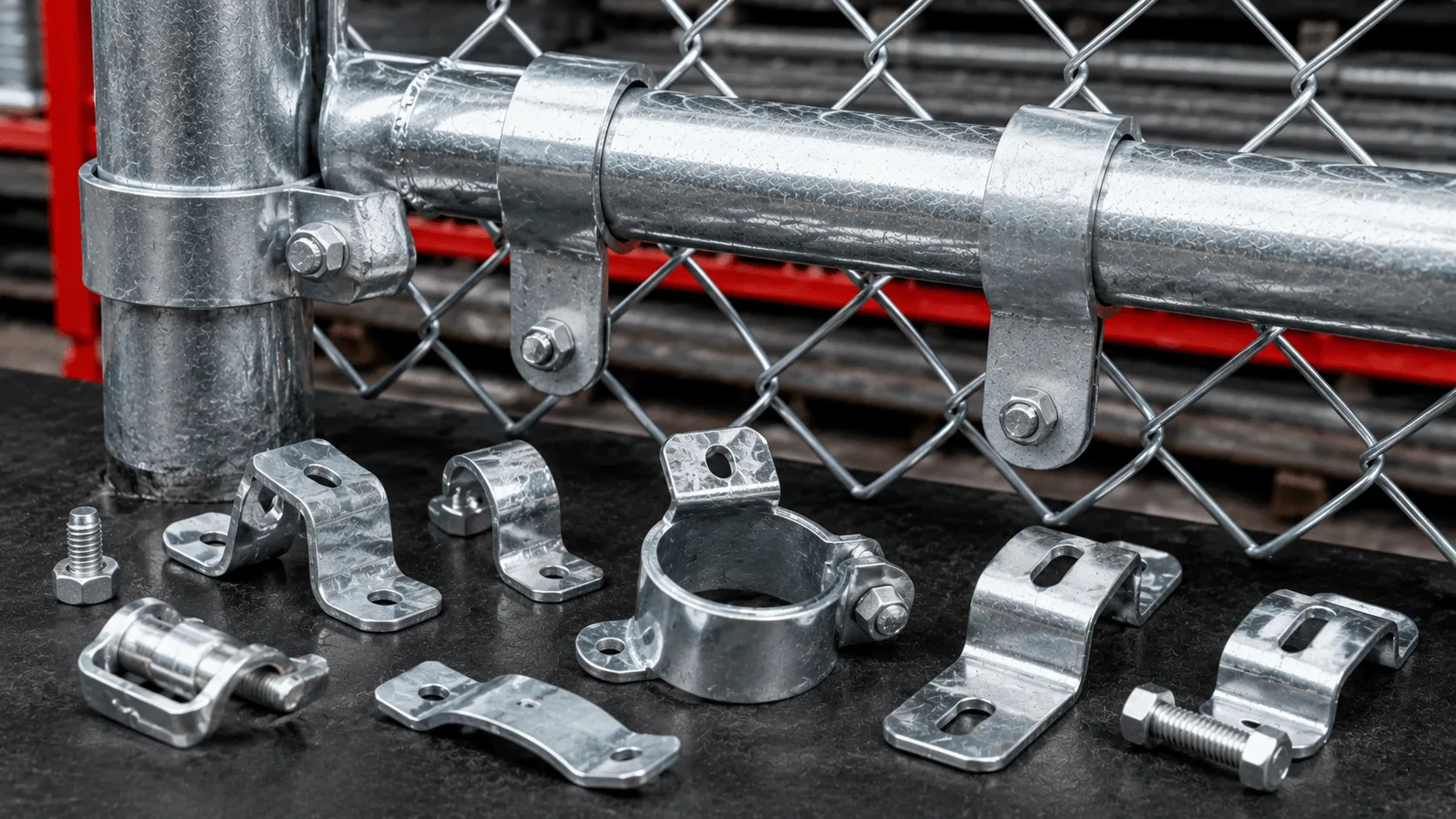 Fittings
What Are Fence Strap Attachments and How Do They Work?
10 Sept 2026
Learn what fence strap attachments are, how they work and what to consider when choosing attachments for fencing pipe and framework.
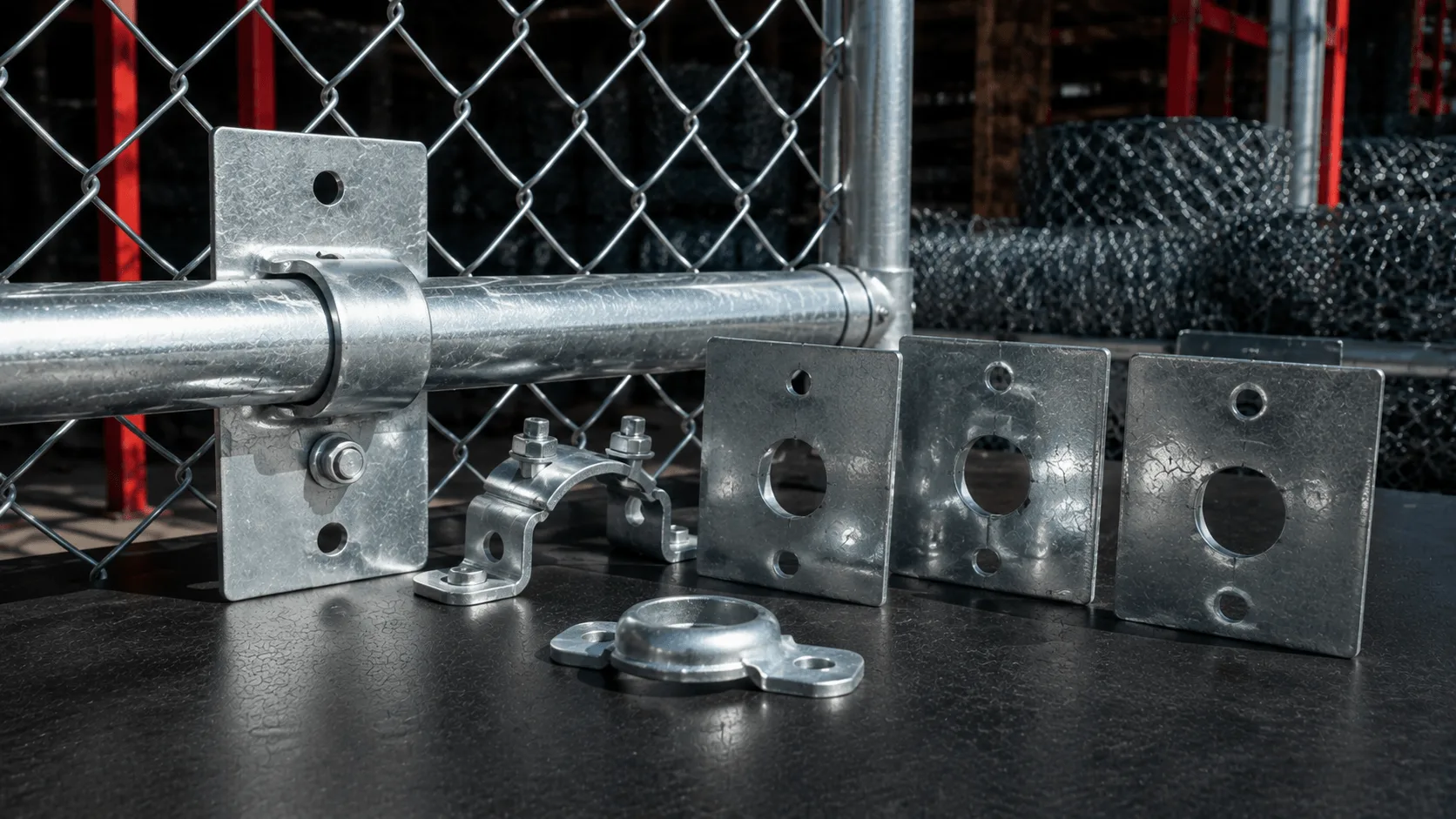 Fittings
What Are Fence Back Plates and When Should You Use Them?
9 Sept 2026
Learn what fence back plates are, when to use them and how to choose the right size and finish for fencing pipe connections.
 Product Comparison
Loose Fit vs Tight Fit Pipe Straps: What's the Difference?
8 Sept 2026
Compare loose fit vs tight fit pipe straps, including sizing, finishes and key factors to check when choosing straps for fencing pipe.
Tell us about the fence.
One business day. That's how fast we come back with pricing once we have your quantity, finish and postcode.
Buying regularly? Apply for a credit account