
What Are Rail Clamps and Post Clamps Used For?
Learn how rail clamps and post clamps improve fence stability, structural strength, and long-term performance in fencing systems.
Introduction
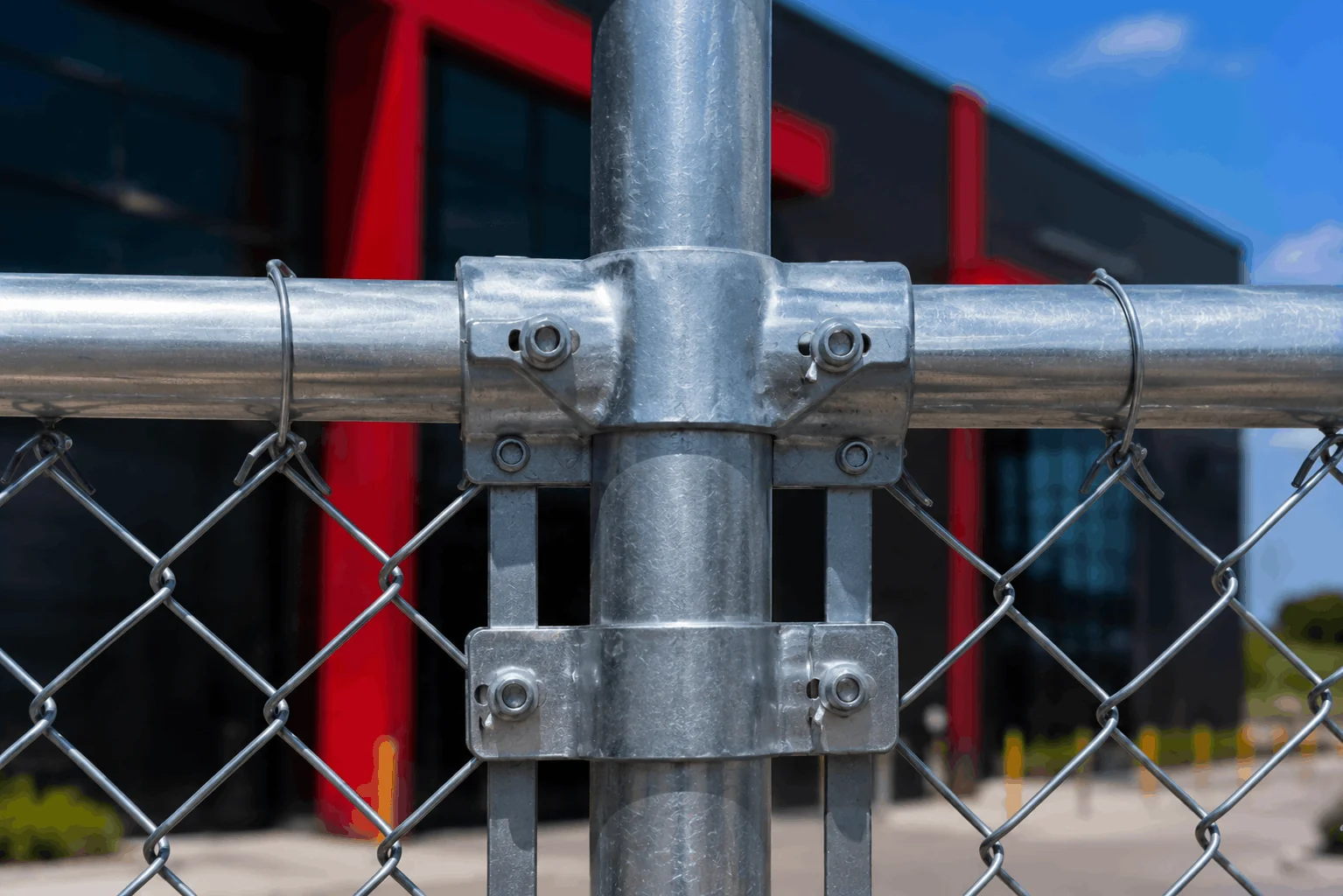
When people think about fencing systems, they often focus on the visible components such as fence mesh, gates, and posts. However, some of the most important elements are the parts working behind the scenes to hold everything together. Among these essential components are rail clamps and post clamps, which play a critical role in maintaining the strength, stability, and longevity of fencing structures.
Whether installed on commercial, industrial, infrastructure, sporting, or security fencing projects, clamps help create secure connections between structural components. Without the correct fittings, even the highest-quality fencing materials can struggle to perform effectively over time.
At Supaguard Fencing, we understand that reliable fencing systems depend on quality components throughout the entire structure. Rail clamps and post clamps are key elements that help ensure fencing remains secure, aligned, and durable in demanding Australian environments.
TLDR Guide
Rail clamps and post clamps are essential fencing components used to connect and secure structural elements within a fencing system.
These fittings help maintain fence stability, support horizontal rails, strengthen post connections, and improve overall structural integrity. They are commonly used across chainwire fencing, security fencing, commercial fencing, and industrial fencing applications.
Key benefits include:
- Improved fence stability
- Stronger structural connections
- Better load distribution
- Enhanced durability
- Reduced maintenance requirements
- Long-term fencing performance
When combined with quality pipe systems and fencing fittings, rail clamps and post clamps contribute to a stronger and more reliable perimeter solution.
Detailed Breakdown
Understanding the Importance of Fencing Connections
Every fencing system relies on multiple components working together as a complete structure.
These components include:
- Fence mesh
- Gates
- Posts
- Rails
- Pipe systems
- Connectors
- Fittings
While the fence material itself may provide the visible barrier, the structural integrity of the system depends heavily on how these components are connected.
This is where rail clamps and post clamps become essential.
Their purpose is to create strong and secure connections that allow the fence to withstand daily use, environmental conditions, and long-term operational demands.
What Are Rail Clamps?
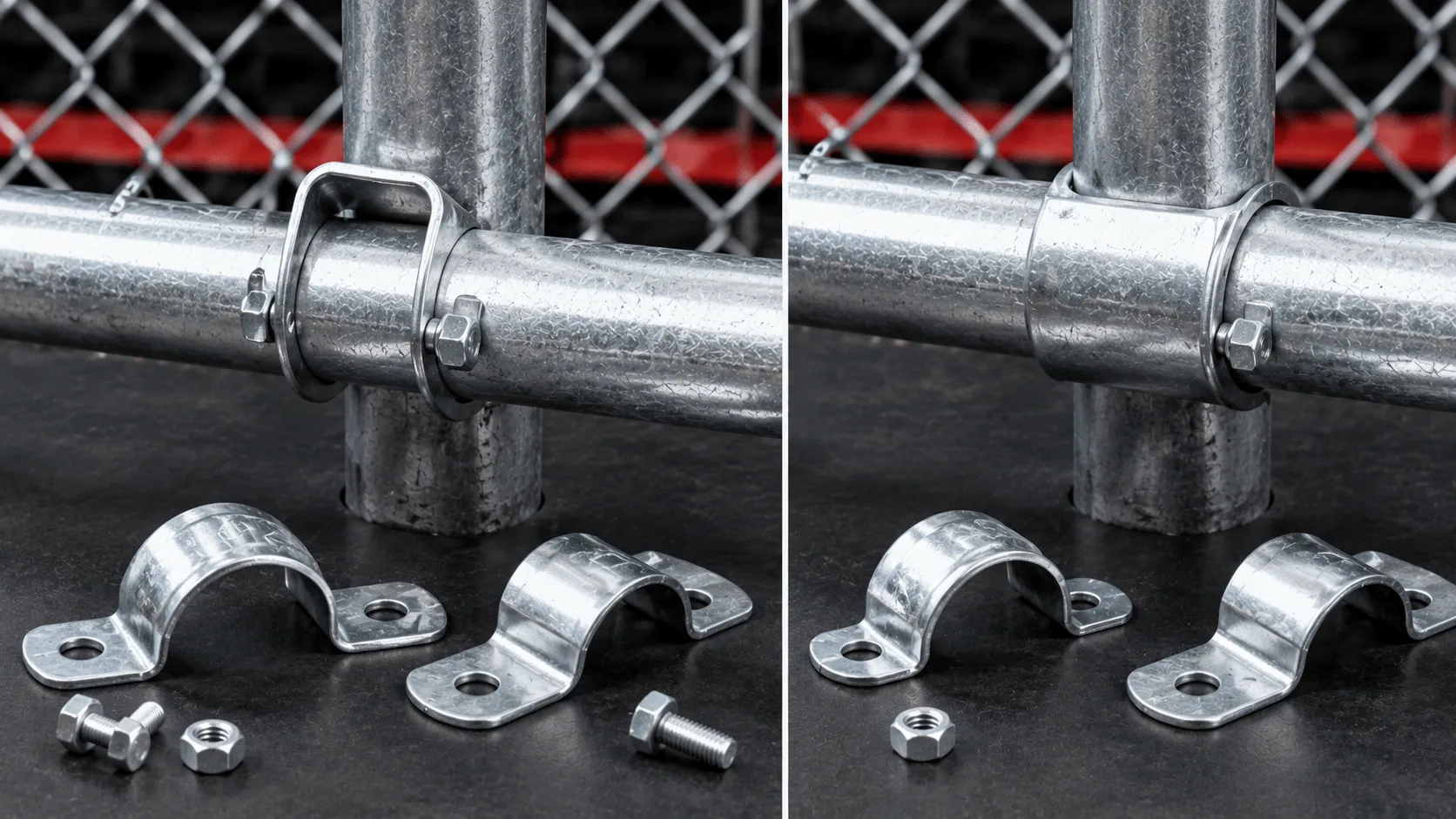
Rail clamps are specialised fittings designed to secure horizontal rails to fence posts or other structural components.
They are commonly used in fencing systems where rails provide additional support and reinforcement.
The primary functions of rail clamps include:
- Securing horizontal rails
- Maintaining alignment
- Improving structural strength
- Supporting fence stability
- Distributing loads across the fence framework
Without properly installed rail clamps, rails may become loose, misaligned, or less effective at supporting the overall fence structure.
What Are Post Clamps?
Post clamps are fittings used to attach fence components directly to fence posts.
They create strong connections between structural elements and help ensure the fence remains stable over time.
Post clamps are commonly used to:
- Connect rails to posts
- Secure structural components
- Improve load distribution
- Reinforce fence sections
- Support overall fence integrity
Like rail clamps, post clamps play an important role in maintaining the reliability of the entire fencing system.
How Rail Clamps Improve Fence Stability
Fence stability is one of the most important factors affecting long-term performance.
Rail clamps contribute to stability by helping maintain secure connections throughout the fencing framework.
Benefits include:
- Reduced movement
- Better structural alignment
- Improved support for fence materials
- Greater resistance to environmental pressures
This is particularly important for large fencing installations where structural consistency must be maintained across long fence runs.
How Post Clamps Strengthen Fence Structures
Post clamps help transfer loads between fence components and supporting posts.
Their role includes:
- Reinforcing structural connections
- Supporting fence alignment
- Improving durability
- Enhancing overall fence performance
Strong post connections are essential because fence posts serve as the foundation of the entire fencing system.
By securing components effectively, post clamps help maximise the performance of the structure.
The Role of Pipe Systems in Fencing
Many commercial and industrial fencing systems rely on Pipe frameworks for structural support.
Pipe systems provide:
- Strength
- Stability
- Durability
- Long-term performance
Rails and posts are often constructed using pipe components that work together to create a secure framework.
Rail clamps and post clamps help connect these pipe sections, ensuring the structure remains stable and aligned.
Without reliable clamp systems, the effectiveness of the pipe framework may be compromised.
Why Quality Fittings Matter
Rail clamps and post clamps are part of a broader category of fencing Fittings that support fence performance.
Quality fittings help:
- Improve structural integrity
- Maintain fence alignment
- Reduce maintenance requirements
- Increase durability
- Support long-term performance
Choosing high-quality fittings is just as important as selecting quality fencing materials.
Even the strongest fencing system can experience issues if the fittings used are not designed for long-term reliability.
Common Applications for Rail Clamps and Post Clamps
Rail clamps and post clamps are used across a wide range of fencing applications.
These include:
- Commercial Properties
Businesses rely on secure fencing systems to protect assets and define property boundaries.
Industrial Facilities
Industrial environments often require durable fencing capable of handling demanding conditions.
Warehouses
Large perimeter installations depend on strong structural connections to maintain stability.
Schools and Sporting Facilities
Educational and recreational sites benefit from fencing systems designed for long-term durability.
Infrastructure Projects
Government and utility facilities frequently utilise pipe fencing systems supported by quality fittings.
Regardless of the application, rail clamps and post clamps remain essential structural components.
Benefits of Properly Installed Clamps
When correctly specified and installed, rail clamps and post clamps provide several advantages.
These include:
- Improved Structural Integrity
- Strong connections help maintain fence performance under varying conditions.
- Better Load Distribution
- Loads are transferred more effectively throughout the fence structure.
- Reduced Maintenance
- Secure fittings help minimise movement and component wear.
- Longer Fence Lifespan
- Improved structural support contributes to greater durability and reliability.
- These benefits help maximise the return on investment for fencing projects.
- Signs of Poor-Quality Clamps
- Not all fittings offer the same level of performance.
- Problems associated with poor-quality clamps may include:
- Fence movement
- Loose connections
- Structural instability
- Increased maintenance requirements
- Reduced lifespan
Selecting quality fittings from the outset can help avoid these issues and support long-term fence performance.
Choosing the Right Rail Clamps and Post Clamps
Several factors should be considered when selecting clamps for a fencing project.
These include:
- Fence Design
- Different fencing systems may require specific clamp configurations.
- Pipe Sizes
- The clamp must be compatible with the pipe dimensions being used.
- Environmental Conditions
- Exposure to weather and operational demands can influence material selection.
- Structural Requirements
The overall fence design will determine the load-bearing requirements of the fittings.
Professional guidance can help ensure the correct fittings are selected for the project.
Why Rail Clamps and Post Clamps Are Essential for Security Fencing
Security fencing systems rely on strong structural performance to maintain perimeter protection.
Rail clamps and post clamps help support:
- Fence integrity
- Structural strength
- Consistent performance
- Long-term reliability
Because security fencing often operates in demanding environments, reliable fittings become even more important.
Strong connections help ensure the perimeter continues performing as intended for many years.
Getting Expert Advice for Your Project
Every fencing project has unique requirements, and selecting the right fittings can make a significant difference to long-term performance.
Whether you require rail clamps, post clamps, pipe fittings, or specialised connectors, choosing quality products helps create a stronger and more reliable fencing system.
For expert advice on fencing components and project requirements, visit our Contact Page and speak with the team at Supaguard Fencing.
Key Takeaways
Rail clamps and post clamps are critical components that help support the strength, stability, and durability of modern fencing systems. While often overlooked, these fittings play an essential role in connecting structural components and maintaining fence integrity over time.
When combined with quality pipe frameworks and reliable fittings, rail clamps and post clamps contribute to stronger installations, improved durability, and reduced maintenance requirements. Their ability to support structural performance makes them an important part of commercial, industrial, and security fencing projects.
Key points to remember include:
- Rail clamps secure and support horizontal fence rails.
- Post clamps connect structural components to fence posts.
- Both fittings contribute to fence stability and durability.
- Pipe systems rely on strong clamp connections for structural integrity.
- Quality fittings help reduce maintenance and improve lifespan.
- Properly installed clamps support long-term fencing performance.
By understanding the role of rail clamps and post clamps, property owners and contractors can make better decisions when designing and maintaining reliable fencing systems.
FAQs
What are rail clamps used for?
Rail clamps are used to secure horizontal rails within a fencing system. They help maintain alignment, improve stability, and support structural integrity. Rail clamps are commonly used in commercial, industrial, and security fencing applications.
What are post clamps used for?
Post clamps connect fence components directly to fence posts. They help create strong structural connections that support fence stability and durability. Post clamps are essential for maintaining long-term fence performance.
Why are rail clamps and post clamps important?
These fittings help ensure that fencing components remain securely connected throughout the structure. They improve load distribution, reduce movement, and contribute to overall fence strength. Without quality clamps, fence performance may be compromised.
Do rail clamps and post clamps work with pipe fencing systems?
Yes, rail clamps and post clamps are commonly used with pipe frameworks in commercial and industrial fencing projects. They help connect rails and structural components to pipe posts. This improves overall fence stability and durability.
How do I choose the right rail clamps and post clamps?
The correct fittings depend on factors such as pipe size, fence design, structural requirements, and environmental conditions. Selecting quality products that match the fencing system is important for long-term performance. Professional advice can help determine the most suitable option.
More from the blog.
 Fittings
What Are Fence Strap Attachments and How Do They Work?
10 Sept 2026
Learn what fence strap attachments are, how they work and what to consider when choosing attachments for fencing pipe and framework.
 Fittings
What Are Fence Back Plates and When Should You Use Them?
9 Sept 2026
Learn what fence back plates are, when to use them and how to choose the right size and finish for fencing pipe connections.
 Product Comparison
Loose Fit vs Tight Fit Pipe Straps: What's the Difference?
8 Sept 2026
Compare loose fit vs tight fit pipe straps, including sizing, finishes and key factors to check when choosing straps for fencing pipe.
Tell us about the fence.
One business day. That's how fast we come back with pricing once we have your quantity, finish and postcode.
Buying regularly? Apply for a credit account