
What Is a Wire Spinner for Fencing and When Is It Used?
Learn what a wire spinner for fencing does, when to use one and how it helps manage fencing wire during chain link fence installation.
Wire Spinners for Fencing: What They Are and When to Use Them
Introduction
Anyone who has worked with coils of fencing wire knows they have a habit of becoming considerably less cooperative once you start unwinding them. Wire can twist, tangle and become awkward to manage, turning what should be a straightforward job into unnecessary wrestling.
That's where a wire spinner for fencing comes in.
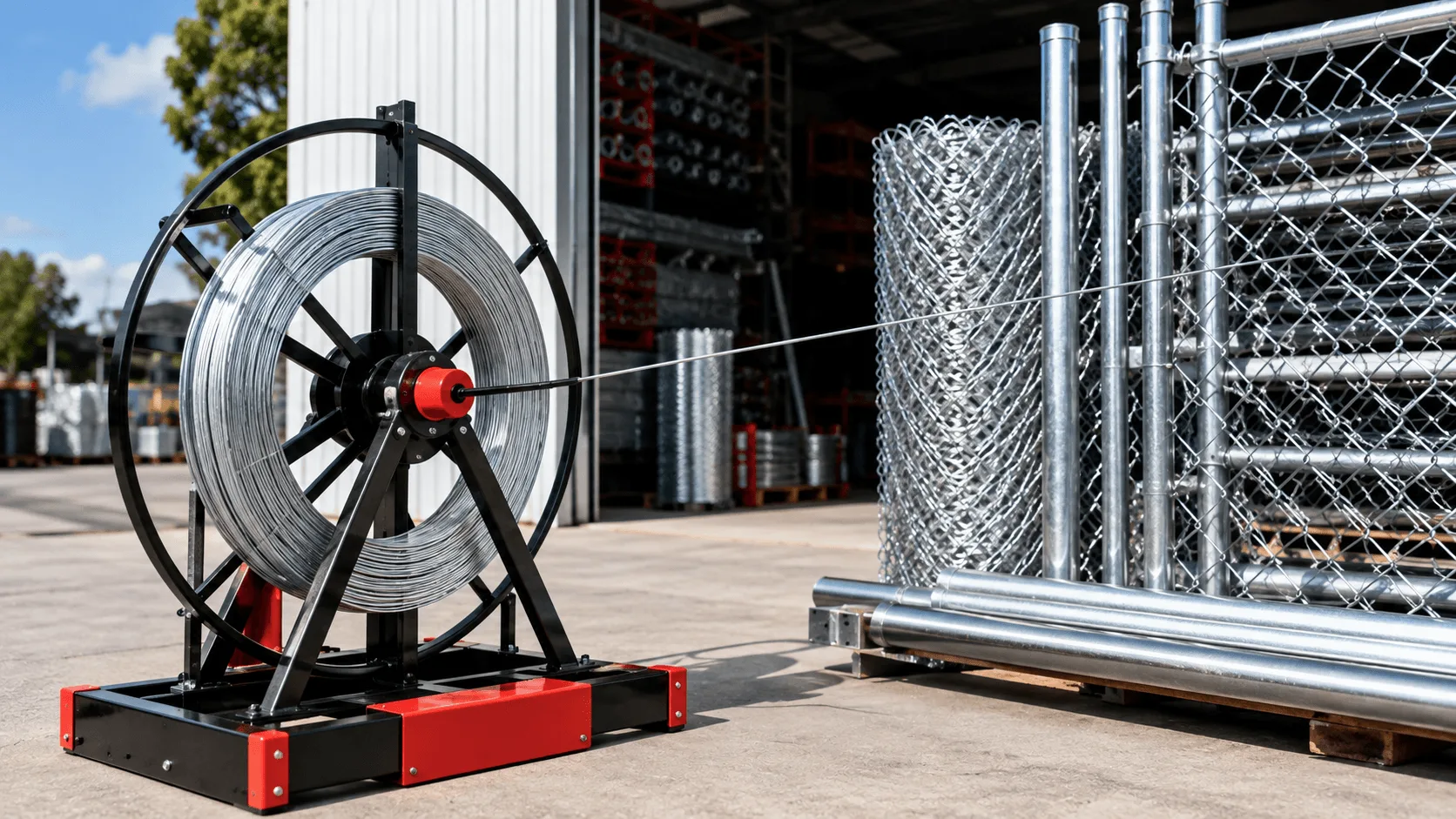
A wire spinner is a dispensing tool designed to hold a coil of wire and allow it to unwind in a more controlled manner as fencing work progresses. Rather than letting a coil roll around the ground or trying to manually manage it while pulling wire, the spinner provides a dedicated setup for paying wire out.
Supaguard Fencing includes wire spinners within its fencing accessories range alongside the wire and other components used in chain link fencing projects. For installers working with coils of fencing wire, it's a relatively simple tool with a very practical purpose.
TLDR - Quick Guide
A wire spinner for fencing is used to hold and dispense coiled fencing wire during installation.
Controls wire payout: The coil rotates as wire is pulled from it.
Helps manage coils: It provides a dedicated place for the coil during installation.
Reduces handling: Installers don't need to manually carry or repeatedly reposition the coil while paying out wire.
Useful for fencing projects: It can assist when dispensing suitable coiled wire along a fence line.
Compatibility matters: The spinner needs to suit the dimensions and format of the wire coil being used.
It's an installation aid: A spinner helps handle wire; it doesn't tension, attach or replace the other components required to build the fence.
In short, the spinner's job is simple: hold the coil and help the wire feed out in a controlled way.
Detailed Breakdown
What Is a Wire Spinner for Fencing?
A wire spinner for fencing is a piece of equipment used to dispense wire from a coil.
The coil is positioned on the spinner, and the spinner allows it to rotate while wire is drawn away. This gives installers a controlled method of paying out wire as they move along the fencing area.
It's particularly relevant when working with Fencing Wire supplied in coils. Instead of allowing the coil itself to move unpredictably while the wire is pulled, the spinner acts as a dispensing point.
It's not the most glamorous tool on site. Then again, neither is untangling a rebellious coil of wire.
How Does a Wire Spinner Work?
The operating principle is straightforward.
The fencing wire coil is placed onto or within the spinner according to the tool's design. As an installer pulls the free end of the wire, the spinner rotates and allows wire to feed from the coil.
A typical process looks like this:
- Position the spinner on a suitable surface.
- Place the compatible wire coil onto the spinner.
- Locate and prepare the free end of the wire.
- Draw the wire from the spinner along the required fence line.
- Allow the spinner to rotate as the wire pays out.
Continue with the appropriate tensioning and fastening process for the fencing system.
The wire spinner for fencing handles the dispensing stage. The rest of the installation still requires the appropriate fencing equipment, materials and procedures.
When Is a Wire Spinner Used?
A wire spinner becomes useful when fencing work requires significant lengths of coiled wire to be paid out.
Chain link fencing systems can incorporate wire for different purposes depending on the fence design and specification. When that wire arrives in coils, controlling how it unwinds can make handling more straightforward.
Common situations where a spinner may be useful include:
- Paying out suitable fencing wire from coils
- Preparing wire along longer fence runs
- Working on chain link fencing installations
- Managing repeated wire payout during fencing work
- Keeping the wire coil in a designated position while dispensing
Whether a spinner is required ultimately depends on the wire product, coil configuration and installation method.
Why Not Just Unroll the Wire by Hand?
You can manually handle a coil, but that doesn't necessarily make it the most practical method for every project.
Coiled wire naturally wants to retain its shape. If it's simply dropped onto the ground and pulled without a suitable dispensing method, handling can become awkward.
A wire spinner for fencing gives the coil a dedicated mechanism for rotating as wire is removed.
That can help installers:
- Maintain greater control over the coil
- Keep wire payout more organised
- Reduce unnecessary handling of the coil
- Work progressively along the fence line
- Keep the wire supply in one defined location
The benefit becomes easier to appreciate as the amount of wire being handled increases.
Choosing a Wire Spinner for the Wire You're Using
Not every wire product or coil is necessarily identical, so don't treat every spinner as universally compatible.
Before selecting a wire spinner, identify the fencing wire you'll actually be using. Then check whether the spinner is suitable for that coil.
Useful details to confirm include:
- Coil dimensions
- Coil configuration
- Wire type
- Wire diameter
- Coil weight
- Spinner capacity or manufacturer specifications
Supaguard's wire range includes different fencing wire products and specifications, which is exactly why compatibility should be checked rather than assumed.
A spinner that works beautifully with the wrong coil isn't especially useful.
How Wire Spinners Fit Into Chain Link Fencing
A Chain Link Fencing installation isn't built from mesh alone.
Depending on the fence design, the complete system can involve mesh, pipe, gates, wire, clips, fasteners and other fittings. Installation equipment is then used to help assemble those components correctly.
The wire spinner sits on the installation-tool side of that equation.
It doesn't become part of the finished fence. Instead, it helps installers manage the wire used during construction.
That distinction is useful when planning materials because there are two separate lists to consider:
- Materials that stay in the fence:
- Chain link mesh
- Wire
- Posts and framework
- Gates
- Clips and fasteners
- Fittings
- Equipment used to install it:
- Wire spinner
- Appropriate fastening tools
- Tensioning equipment
- Other project-specific installation tools
Planning both lists before work begins can prevent some frustrating mid-installation discoveries.
Wire Spinner vs Wire Tensioning Equipment
A common source of confusion is assuming that dispensing wire and tensioning wire are the same task.
They aren't.
A wire spinner for fencing primarily helps dispense wire from its coil. Tensioning is a separate stage that involves bringing the wire to the appropriate tension required by the fence design and installation specification.
Think of the sequence as:
- Store → Dispense → Position → Tension → Secure
- The spinner helps with the dispense part.
Using the correct tool for each stage makes far more sense than expecting one piece of equipment to do everything.
Using a Wire Spinner More Effectively
A straightforward tool still benefits from straightforward preparation.
Before loading the coil, inspect the spinner and ensure it's suitable for use. Position it where the wire can feed towards the work area without unnecessary obstruction.
During use:
- Follow the manufacturer's operating instructions.
- Make sure the coil is correctly positioned.
- Keep the dispensing area organised.
- Avoid standing where moving wire could create a hazard.
- Don't exceed the spinner's stated capacity.
- Control the wire as it is paid out.
- Use appropriate protective equipment for the fencing task.
Wire can be under tension or have sharp ends, so safe handling procedures remain important even when the dispensing process itself appears simple.
When Is a Wire Spinner Particularly Useful?
The value of a wire spinner for fencing generally increases when there's more wire to manage.
For a substantial perimeter fence, repeatedly handling coils without suitable dispensing equipment can add unnecessary work. A spinner creates a central point from which the wire can be progressively drawn.
It may be particularly worth considering when:
- The project involves long fence runs.
- Multiple coils need to be dispensed.
- The wire needs to be laid out progressively.
- Consistent material handling is important.
- The crew regularly installs fencing using coiled wire.
- The right question isn't simply, "Do I need another tool?"
- It's, "Will this tool make the material easier to manage for this installation?"
- Choosing the Rest of Your Fencing Accessories
A wire spinner is just one item within a much broader group of Fencing Accessories.
Before starting a chain link fencing project, check the complete materials and equipment list rather than purchasing the obvious components first and discovering the missing bits later.
Your checklist may need to cover:
- Mesh
- Wire
- Pipe and posts
- Gates
- Fasteners
- Netting clips
- Ring fasteners
- Relevant pliers or fastening tools
- Wire dispensing equipment
- Other fittings required by the design
If you're unsure whether a particular wire spinner is suitable for your wire or fencing setup, Contact Supaguard Fencing with the project and product specifications before ordering.
Common Mistakes When Using a Wire Spinner
Assuming Every Coil Will Fit
Wire products can come in different sizes and configurations. Check compatibility between the coil and spinner before installation day.
Confusing Dispensing With Tensioning
The spinner helps wire come off the coil. It doesn't eliminate the separate steps and equipment required to position, tension and secure the wire correctly.
Ignoring the Work Area
Even controlled wire payout needs space. Position the spinner where the wire can feed towards the fence without unnecessary obstacles or creating avoidable hazards.
Forgetting Installation Equipment When Ordering Materials
Mesh, wire and posts are hard to forget because they're obvious. Smaller accessories and installation tools are much easier to overlook, so include them in the project checklist from the beginning.
Key Takeaways
A wire spinner is a dispensing tool. Its primary purpose is to hold a coil and allow fencing wire to pay out as the spinner rotates.
It helps manage coiled wire. Using a dedicated dispensing point can make handling wire along a fencing project more organised.
Compatibility matters. Check the spinner against the dimensions, configuration and specifications of the wire coil you're using.
A spinner doesn't tension the fence. Dispensing, positioning, tensioning and fastening are separate stages of the installation process.
It can be particularly useful on larger jobs. Long fence runs and repeated wire handling make efficient dispensing more valuable.
Treat tools and materials separately. The wire remains part of the finished fence; the spinner is equipment used during installation.
Plan accessories early. Include the required dispensing, tensioning and fastening equipment when preparing the overall fencing materials and tools list.
FAQs
What does a wire spinner for fencing do?
A wire spinner for fencing holds a compatible coil so the wire can be paid out as the spinner rotates. This gives installers a dedicated dispensing point while working along a fence line. It is an installation tool rather than a component that remains in the finished fence.
When should you use a wire spinner?
A wire spinner can be useful when a fencing project requires coiled wire to be dispensed over a distance. Its value becomes particularly apparent when significant quantities of wire need to be handled progressively. Whether one is appropriate depends on the wire, coil and installation method being used.
Does a wire spinner tension fencing wire?
A wire spinner is primarily intended to help dispense wire from a coil. Tensioning is a separate part of the fencing installation process and may require other equipment or procedures. Always follow the relevant fencing specification when positioning and tensioning wire.
Can any fencing wire be used on a wire spinner?
You shouldn't assume every coil or wire product will fit every spinner. Check coil dimensions, weight, configuration and the spinner manufacturer's specifications before use. Confirming compatibility beforehand is much easier than discovering a mismatch after arriving on site.
Is a wire spinner necessary for chain link fencing?
A wire spinner isn't automatically required for every chain link fencing project. It can be a useful installation aid where compatible coiled fencing wire needs to be dispensed efficiently. The appropriate tools should ultimately be selected according to the fencing system, wire specification and installation requirements.
More from the blog.
 Fittings
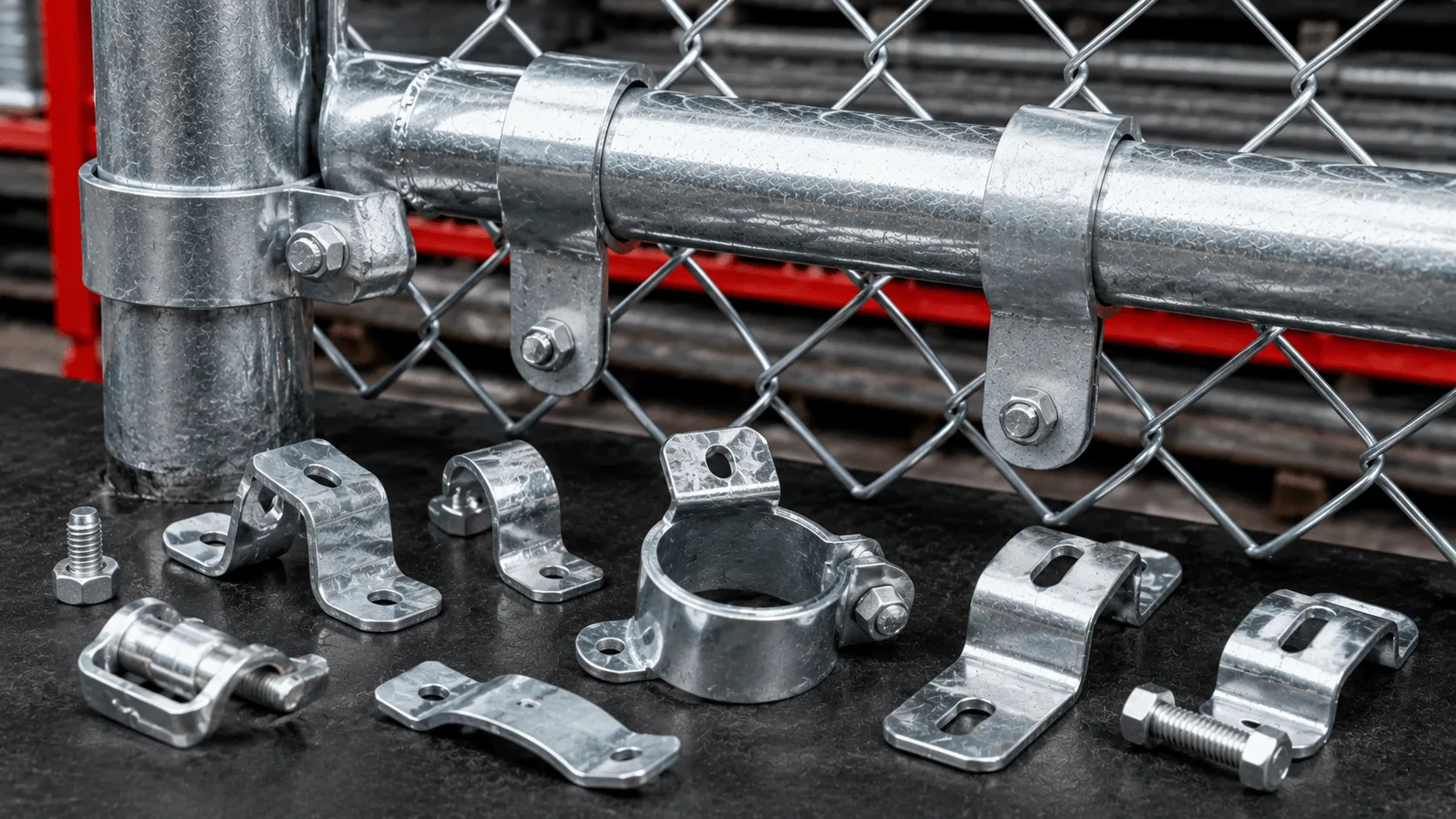
What Are Fence Strap Attachments and How Do They Work?
10 Sept 2026
Learn what fence strap attachments are, how they work and what to consider when choosing attachments for fencing pipe and framework.
 Fittings
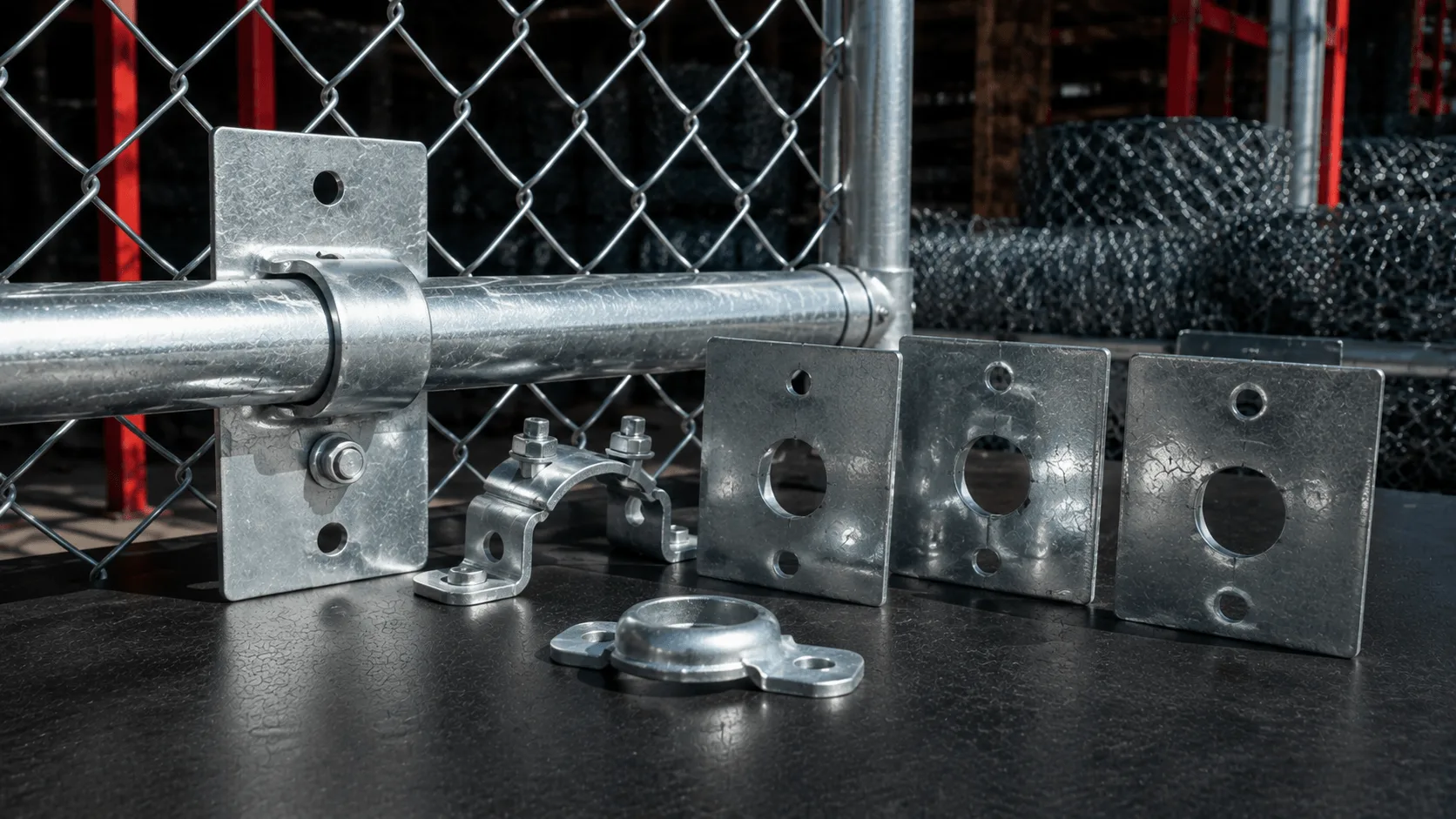
What Are Fence Back Plates and When Should You Use Them?
9 Sept 2026
Learn what fence back plates are, when to use them and how to choose the right size and finish for fencing pipe connections.
 Product Comparison
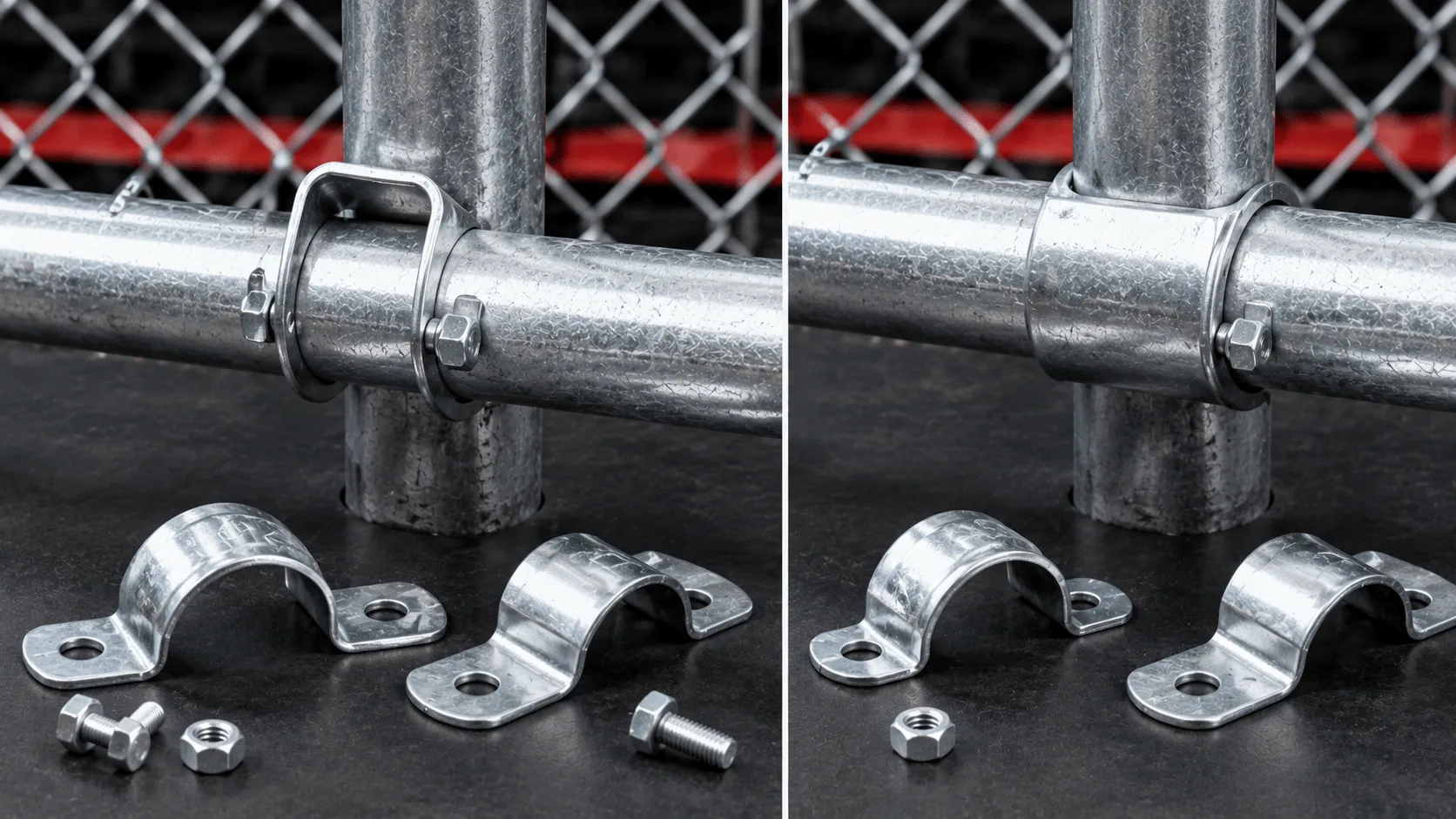
Loose Fit vs Tight Fit Pipe Straps: What's the Difference?
8 Sept 2026
Compare loose fit vs tight fit pipe straps, including sizing, finishes and key factors to check when choosing straps for fencing pipe.
Tell us about the fence.
One business day. That's how fast we come back with pricing once we have your quantity, finish and postcode.
Buying regularly? Apply for a credit account